How to trace Baker County roots using local library records
Baker County’s library, courthouse, and state archives can answer the hard questions fast, from a burial site in Baker City to a Sumpter miner in an old newspaper.
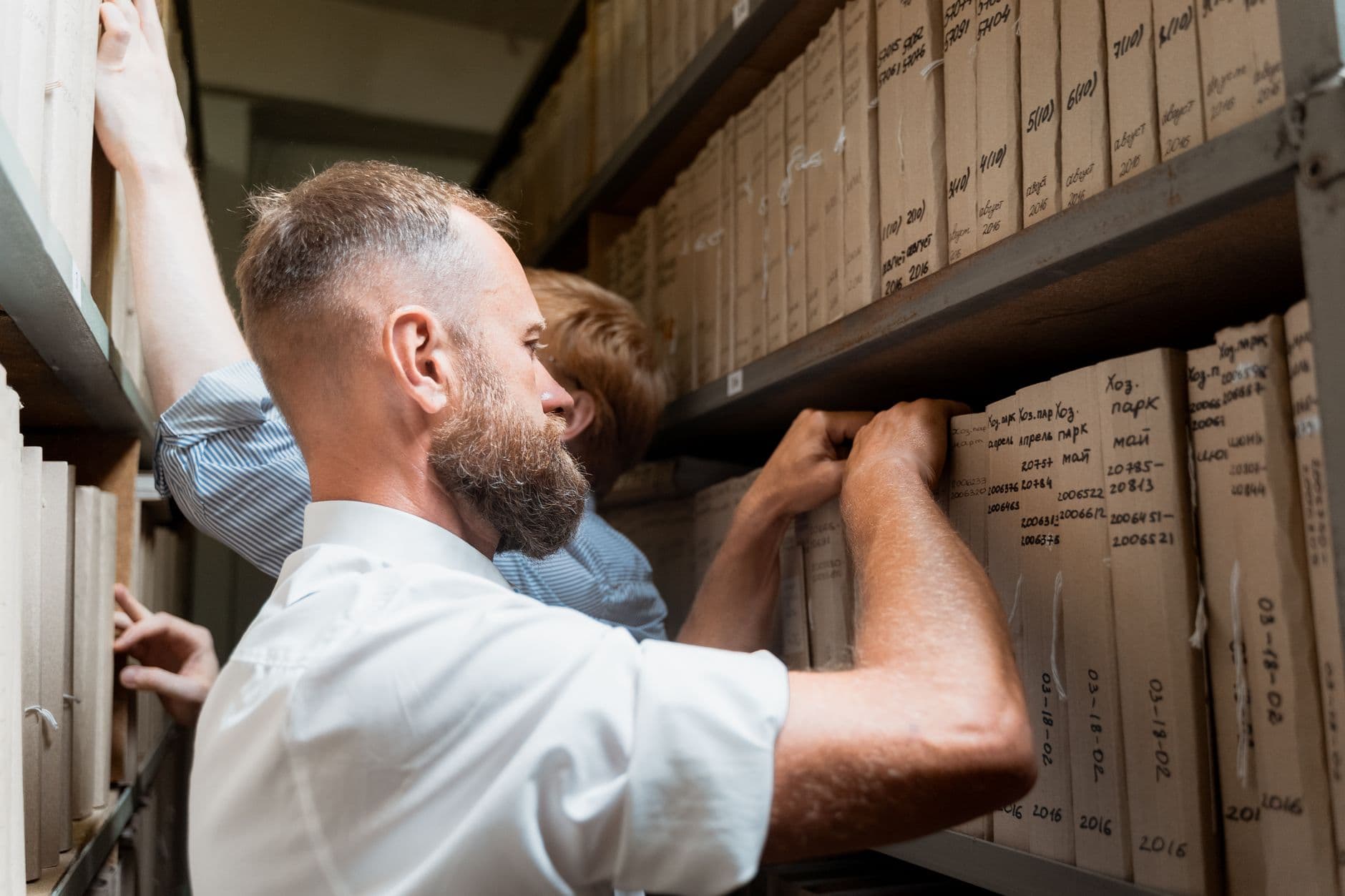
Baker County was organized on September 22, 1862, from Wasco County, and its best family-history clues are often hiding in plain sight: an obituary, a cemetery entry, a faded photograph, or a pre-statehood database record. Only 16,668 residents were counted in the 2020 census, and one local name can surface in several small but powerful records, each filling in a different gap.
Start with the question you are trying to answer
The fastest route through Baker County research depends on what you already know. If you need a death date, begin with obituary resources. If you need a burial place, move straight to cemetery records and then check local newspapers for funeral notices or memorial coverage. If you are trying to place a person in a specific mining camp, farm, or neighborhood, the historical photo archive, old maps, and newspaper holdings are often more useful than a standard vital record.
Baker County Library District is built for that kind of work. Its genealogy and local history resources gather obituary databases, newspaper archives, historical photos, cemetery tools, and links to state and national collections in one place, and the library helps with research projects that involve obituaries, news articles, and related materials.
Obituaries are the quickest way to anchor a family timeline
For many Baker County searches, obituaries are the first stop because they can confirm a death date, list relatives, and point to a burial site or church. Baker County Library District points researchers to the Baker County Obituary Database, Baker City Herald obituaries, Baker County Press archives, the Oregon Digital Newspaper Project, and the Sumpter Miner archive from 1899 to 1905.
The library also offers obituary requests through NewsBank HeritageHub, which provides obituary and death notices from published news sources and funeral homes and includes original obituary images. A notice may appear in a broader database even if it is not obvious in a hometown file.
Newspapers can place a person in a town, a mine, or a moment
When an obituary is missing or too brief, newspapers can supply the context that families need. Baker County Library District’s holdings include long runs such as the Baker City Herald, Baker County Reveille, Baker Daily Record, Baker Democrat Herald, Baker Morning Democrat, Bedrock Democrat, Blue Mountain American and Sumpter News, and the Baker County Press. Those titles are especially useful for mining communities, where a name might appear in a labor notice, property dispute, town notice, or social column long before it appears in a formal record.
A Sumpter miner is a good example. If a relative worked in the district between the gold rush years and the early 1900s, the Sumpter Miner archive from 1899 to 1905 can help place that person in a very specific place and time. The same search can turn up references to mine accidents, business changes, or railroad activity that would never show up in a family Bible or a death certificate.
Pre-statehood ancestors require a different toolset
For anyone tracing a line back before Oregon statehood, the Early Oregonians database is one of the most important starting points. The database covers people living in Oregon from 1800 to 1860 and draws on census, death, probate, and other records. Its foundation comes from the 1850 and 1860 federal censuses for Oregon, and the profiles may include parents, spouses, and birth and death information. Large Native populations were present before 1840, but documentation is scant, which is an important caution for anyone researching Indigenous ancestry in the region.
Photographs and maps can confirm the place when the name is not enough
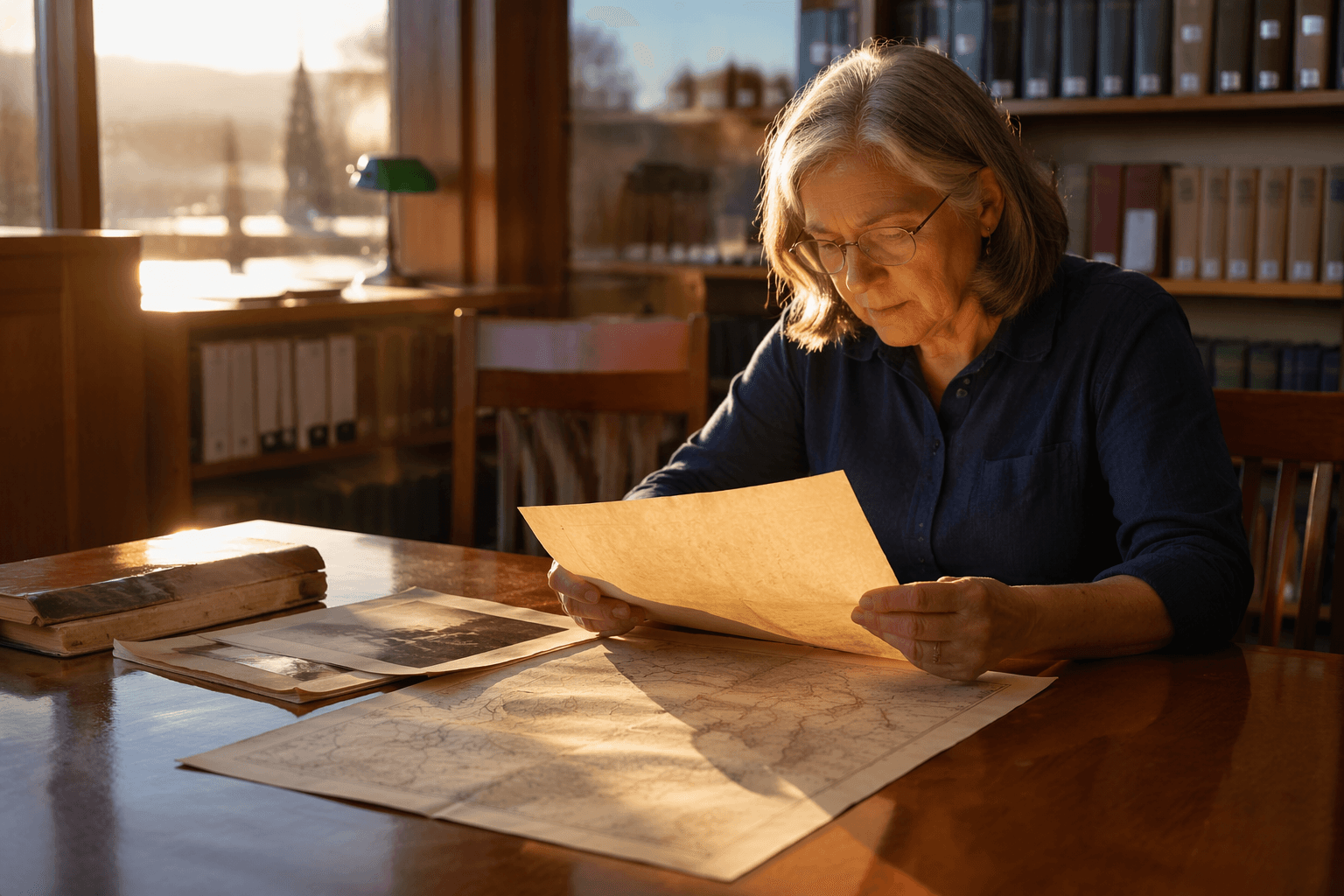
Baker County Library District’s Historical Photos Archive is one of the county’s most useful visual tools. The archive is an online resource with nearly 10,000 digitized records of vintage photographs and select documents scanned from the library district’s archives. For a Baker City street, a Sumpter boardinghouse, a Haines farm, or a mining camp building, a photo can confirm a location when written records are vague or inconsistent.
The archive works best alongside maps and digital collections. Baker County Library District also points researchers to the USGS Baker Quadrant 1901 map, Northwest Digital Heritage, and the Digital Public Library of America network, which helps remote users reach local materials. If you are trying to match an old photograph to a building footprint or a business name, that combination of visual sources can be more revealing than a single typed record.
Burial sites and official records fill in the hard facts
When a family story narrows to a burial question, cemetery record databases become the next stop. Baker County Library District also directs researchers to the Baker County Clerk, the Baker County Records Inventory, and the Oregon Historical Records Index. The Oregon Historical Records Index is based on records held by the Oregon State Archives, and its entries preserve the spellings and abbreviations used in the original records.
A surname may appear under an old spelling, a nickname, or a clerk’s abbreviation, so a search that fails under the modern family name may succeed if you try variations. FamilySearch adds another route through the county clerk’s records with its Oregon, Baker County Records, 1862 to 1950 collection, which includes naturalization, military, deed, and mortgage records. Those files can show where a person lived, when property changed hands, or whether a military or citizenship record points to a missing generation.
Two Baker County searches that show how the pieces fit together
If you are tracing a Sumpter mining relative, start with the Sumpter Miner archive and the broader Baker County newspaper holdings. Move next to the historical photos archive for camp images, then check the Early Oregonians database if the family line reaches back into the territorial era. If the name appears in property or residency records, the FamilySearch county collection and the Oregon Historical Records Index may add dates and legal details that help connect the dots.
If you are confirming a Baker City burial site, begin with obituary resources and then check cemetery records. If the obituary names a church, fraternal lodge, or funeral home, follow that thread in the Baker City Herald or Baker County Press. If the surname shows up in the county clerk’s records or the Oregon Historical Records Index under an older spelling, use that version to test alternate searches before deciding the trail ends.
Mining and transportation history shape the record
Mining and transportation history runs through Baker County’s records. The Sumpter Valley Dredge State Heritage Area preserves mining history in the Sumpter Valley area, and the Sumpter Municipal Museum highlights gold rush mining, timber, railroad heritage, and exhibits tied to the 1917 Sumpter fire.
This article was produced by Prism’s automated news system from verified source data, official records, and press releases, then run through automated quality and moderation checks before publishing. The system is built and supervised by the people who set the standards it runs under. Read our full AI policy.
Did this article answer your question?