History talk planned in Cornucopia as renovated jail opens to visitors
Cornucopia’s renovated jailhouse will host a history talk that ties the old mining town to Baker County’s heritage tourism and local identity.
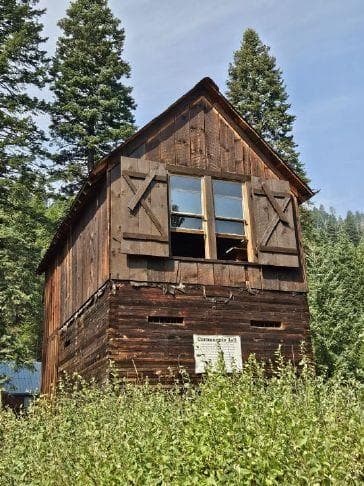
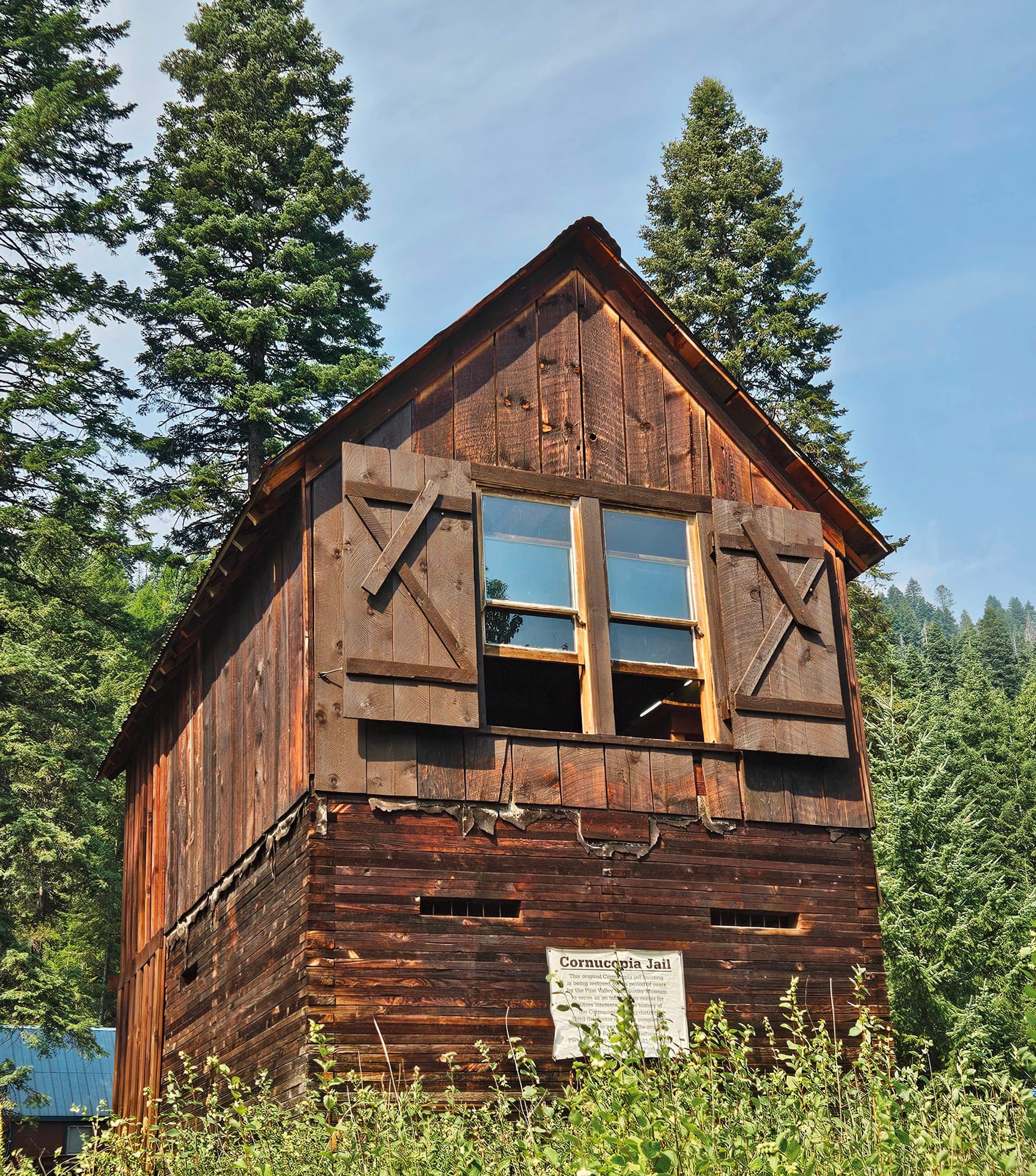
The Cornucopia Jailhouse on 2nd St. is opening to visitors as Pine Valley Community Museum prepares a history talk in the old mining town. The program is planned for Aug. 15, with one later listing giving Aug. 16, and Tom Cook is identified as part of the presentation.
The site itself carries the story. The Oregon Historic Sites Database lists the building as the Cornucopia Jailhouse in Cornucopia, Baker County, and the museum’s renovation gives the structure a new role in a place where the past is still visible on the landscape. In a county where visitors already come for mining history, high-country scenery and small-town heritage, an intact jailhouse turns a historical footnote into a stop worth finding.

That matters in Cornucopia because the town has long stood for Baker County’s mining era. A 2023 Baker City Herald story described Cornucopia as Baker County’s richest mining district, and Oregon History Project material shows gold mining there by at least about 1888. The University of Oregon OregonNews profile of Tom Thomas Cook described Cornucopia as a gold-mining boomtown that later became a ghost town, a transformation that continues to shape how the town is remembered and interpreted today.
Cook’s involvement gives the talk another layer of local continuity. His work has focused on Cornucopia’s mining history and the town’s passage from boomtown to ghost town, the same arc that makes the settlement meaningful to residents, historians and travelers looking for authentic eastern Oregon places rather than recreated exhibits. For Baker County, that kind of storytelling helps connect a preserved building on 2nd St. to the larger sweep of ranching, railroads, mining and frontier settlement that still anchors local identity.
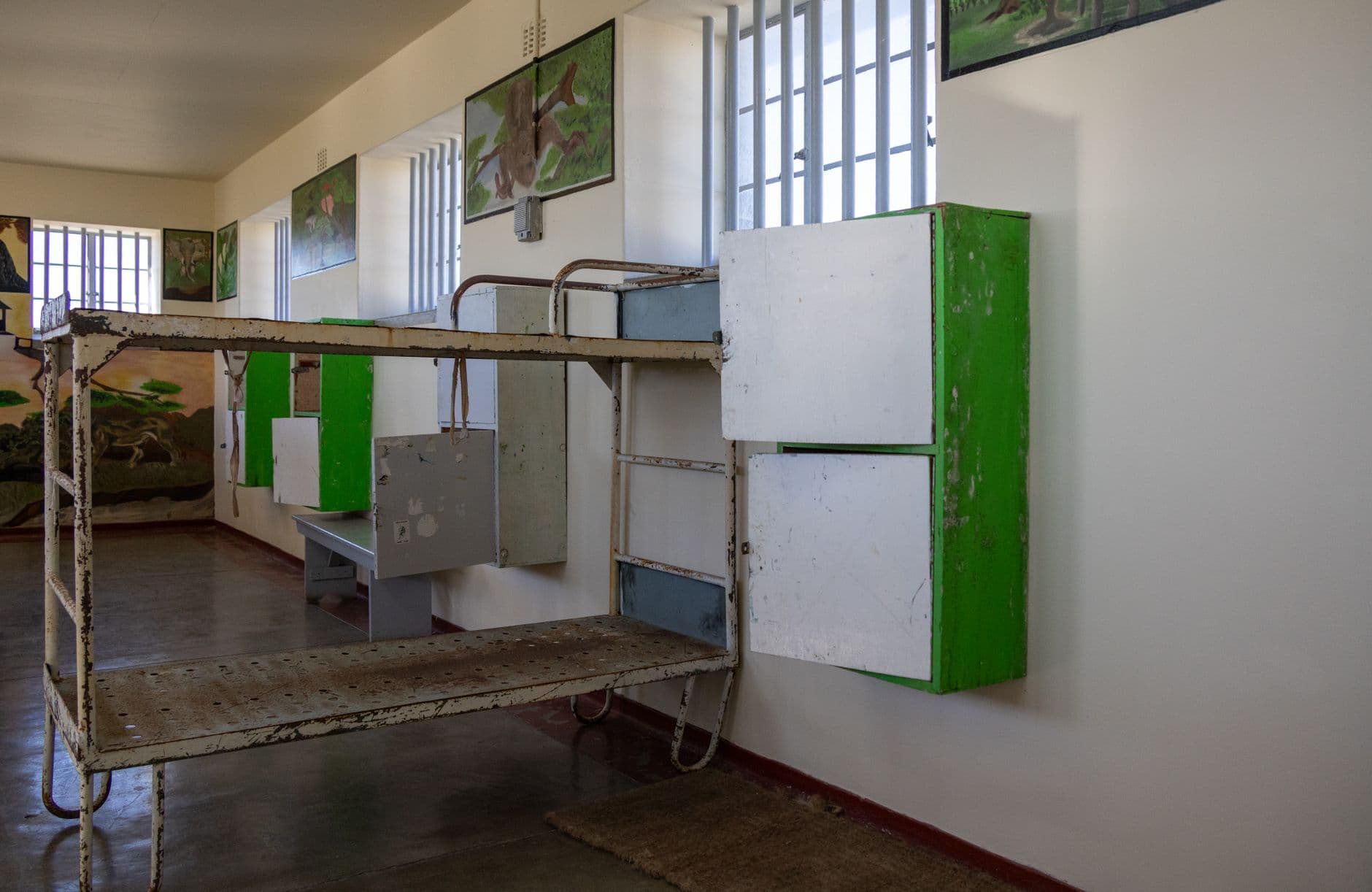
Pine Valley Community Museum’s role also points to how small communities keep heritage tourism alive. The museum interprets local gold rush, pioneer and agricultural history in the Pine Valley and Halfway area, and its work in Cornucopia extends that mission beyond a single town site. A renovated jailhouse does more than preserve timber and hardware. It gives visitors a reason to stop, look closer and spend time in a part of Baker County where history is not abstract, but built into the streets, the hills and the surviving structures.
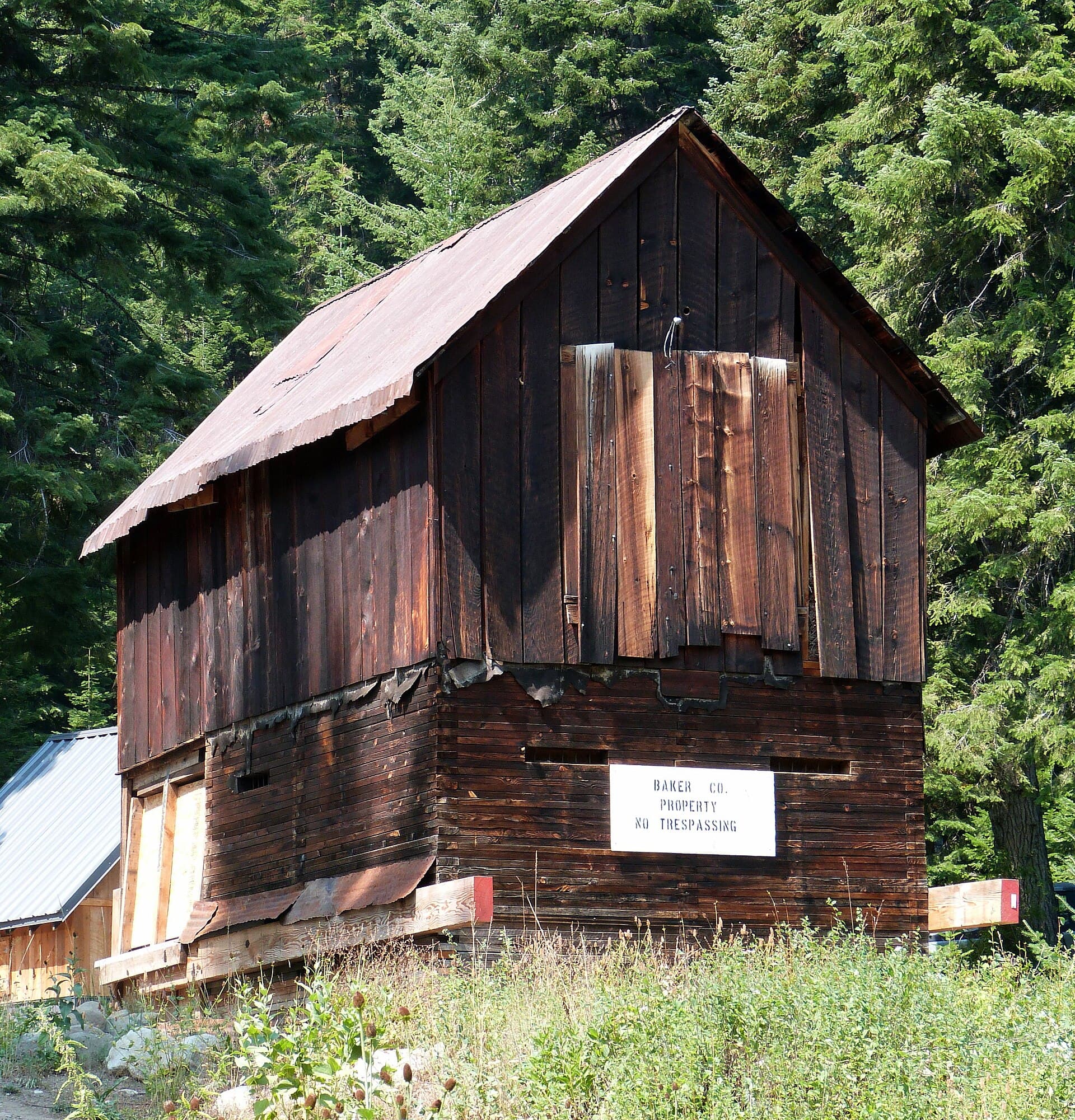
In Cornucopia, that makes the talk more than a date on a calendar. It is part of the effort to keep a mining town’s story visible enough to draw visitors and meaningful enough to keep local memory intact.
This article was produced by Prism’s automated news system from verified source data, official records, and press releases, then run through automated quality and moderation checks before publishing. The system is built and supervised by the people who set the standards it runs under. Read our full AI policy.
Did this article answer your question?