Sumpter Valley Railroad history offers a glimpse into Baker County's past
A rebuilt narrow-gauge railroad in Sumpter keeps Baker County’s mining-era history visible, from volunteer restoration to the sites and trains that still draw visitors.
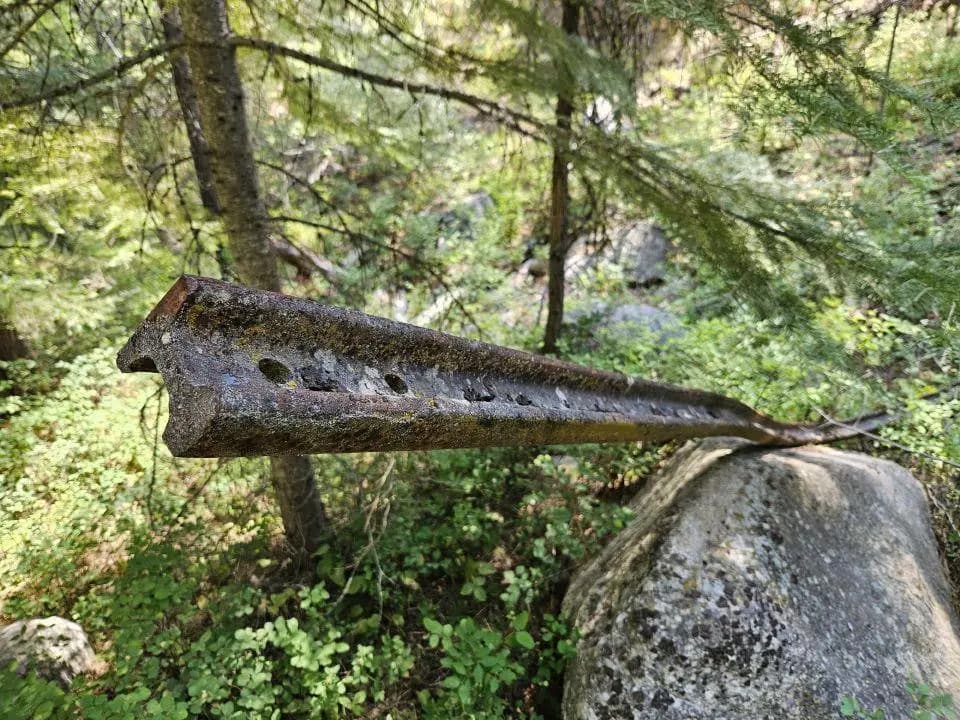
A length of track, a station platform, or one surviving rail piece in Sumpter does more than mark where trains once rolled. It makes Baker County’s railroad age tangible, tying the town’s landscape to the Sumpter Valley Railway that was chartered in 1890 and once carried the county’s economy over 80.1 miles from Baker City to Prairie City.
A railroad built for work, not just scenery
The Sumpter Valley Railway was part of the machinery of Baker County’s development. In its peak years, it moved logs and lumber, machinery and merchandise, gold, cattle, and passengers before its line ended in 1947. That mix of freight tells the story of a county shaped by mining, timber, ranching, and the movement of goods as much as by the communities that grew around them.
That broader context is what gives a piece of railroad history in Sumpter its weight. It is not a decorative relic from a distant era, but a remnant of the transportation network that helped define settlement patterns and economic life in eastern Oregon. The July 20 Out and About feature tapped directly into that kind of visible history, the sort readers can picture, visit, and connect to places they already know.
What remains on the ground in Sumpter
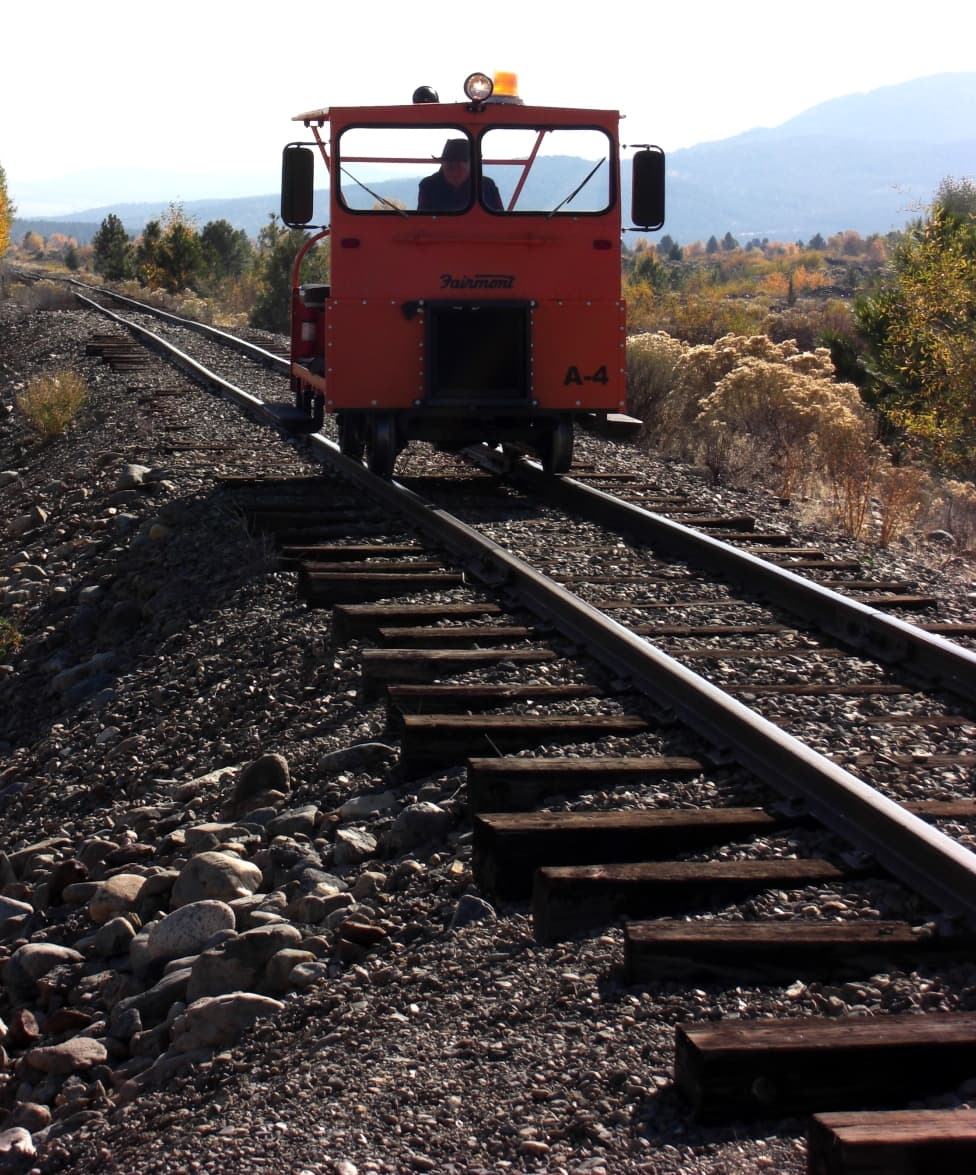
The Sumpter Valley Railroad’s rebuilt line keeps that past visible in the present. Sumpter Valley Railroad Restoration Inc. says volunteers began rebuilding the narrow-gauge railroad in 1971, and the revived operation first opened to passengers on July 4, 1976. That makes the railroad one of Baker County’s clearest examples of history preserved through volunteer labor rather than left to fade into memory.
The railroad says it is Oregon’s only narrow-gauge, steam-powered railroad, a distinction that helps explain why it remains such a strong draw for visitors. Visit Eastern Oregon notes that most excursion railroads run on abandoned rights-of-way, while the Sumpter Valley line is unusual because volunteers rebuilt it and much of the route follows the original right-of-way. That makes the experience in Sumpter feel tied to the actual landscape the old railroad once crossed.
Volunteer work keeps the story moving
The railroad’s history did not stop with the end of commercial service in 1947. It became a restoration project in 1971, then a passenger attraction in 1976, and those dates still shape how Baker County understands the line today. In June 2026, the Baker City Herald marked the revived railway’s 50th anniversary, a reminder that the volunteer rebuild has become part of the county’s modern identity as much as its past.
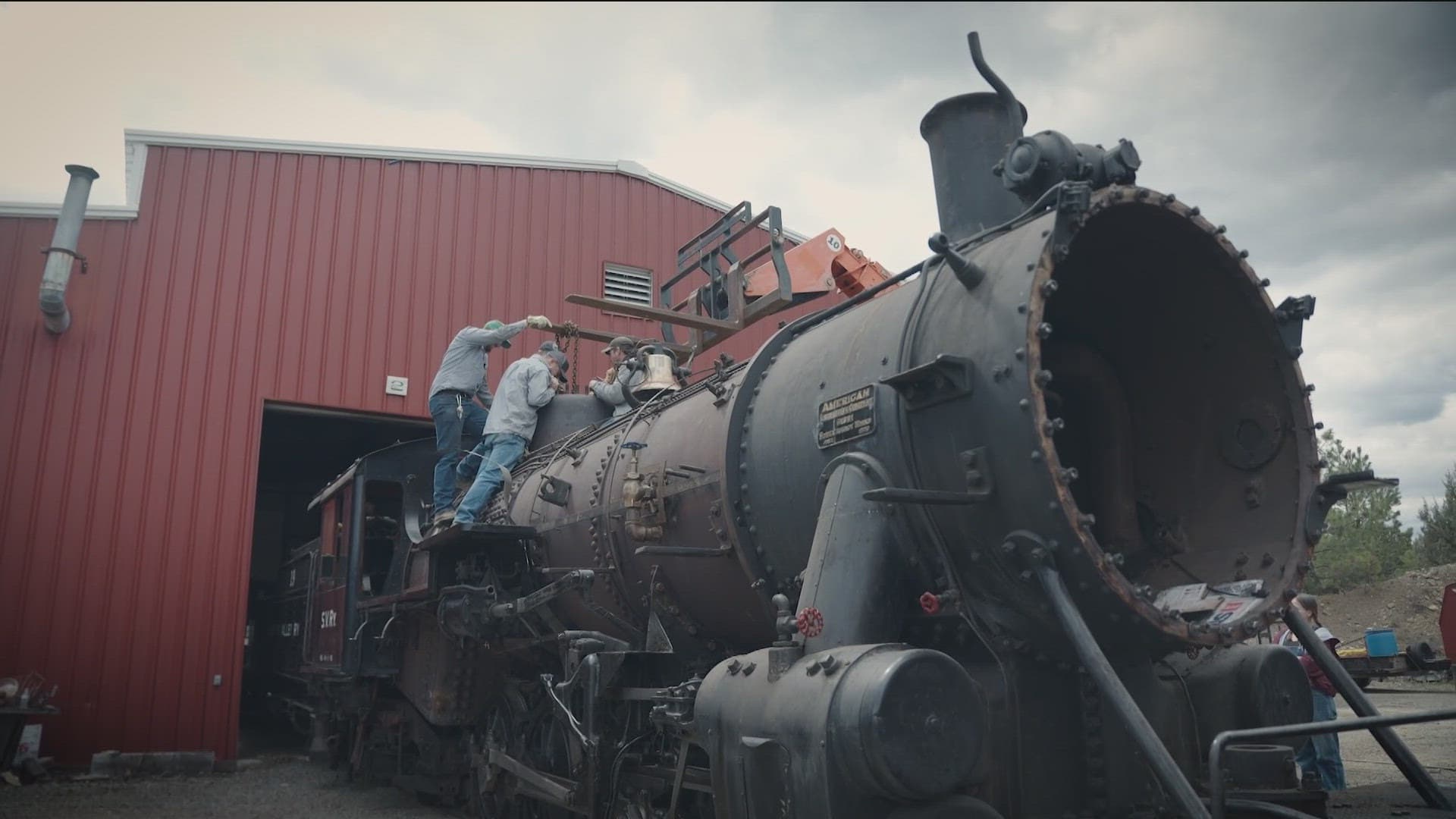
That living history also shows up in the railroad’s ongoing maintenance and planning. In November 2024, the Baker City Herald reported that the railroad was repairing its engines and planning Christmas trains, showing that preservation work was still active and that the railroad remained part of the county’s seasonal rhythm. In August 2023, the Herald reported the railroad received grants for a new archives building, which would house historical archives and deepen the railroad’s preservation work beyond the trains themselves.
Why the railroad matters to the visitor economy
The Sumpter Valley Railroad is not only a heritage project, it is a visitor attraction promoted by both Travel Baker County and Travel Oregon. That matters in a county where historic sites are part of the local identity and where travelers are often looking for something that feels specific to place rather than interchangeable. A rebuilt railroad in Sumpter gives them that, while also giving residents a visible reminder that the county’s story was built on movement, labor, and recovery.
The railroad also works as a gateway to the rest of Sumpter’s historic landscape. A visitor who comes for the railroad quickly finds that the town’s history has several layers, all close together and all tied to the same era of growth and extraction.
The wider heritage landscape around Sumpter
The Sumpter Valley Dredge State Heritage Area adds another piece of that story. The site says the dredge was the last of three built in Sumpter Valley and ran almost continuously from 1935 to 1954. As a surviving piece of mining equipment, it anchors the town’s gold-era history in the same way the railroad anchors its transportation history.
The Sumpter Valley Museum adds another layer by preserving artifacts and photos tied to the town’s gold rush, timber, and railroad past. Taken together, the railroad, the dredge, and the museum show how Sumpter’s heritage is not a single story but a connected landscape of work, migration, and rebuilding. Baker County’s past remains visible there because people kept it visible, from the volunteers who rebuilt the railroad to the institutions that continue to interpret it now.
What stands out most is not simply that the railroad survived in some form, but that it still helps organize how Baker County presents itself to outsiders and remembers itself from within. In Sumpter, history is not locked away. It runs on rails, sits in exhibits, and shapes the visitor experience one stop at a time.
This article was produced by Prism’s automated news system from verified source data, official records, and press releases, then run through automated quality and moderation checks before publishing. The system is built and supervised by the people who set the standards it runs under. Read our full AI policy.
Did this article answer your question?