Idaho Power Reports Fewest Customer Outages in Its 110-Year History
Idaho Power recorded just 1.04 outages per customer in 2025, the fewest in its 110-year history, backed by more than $1 billion in grid investment.
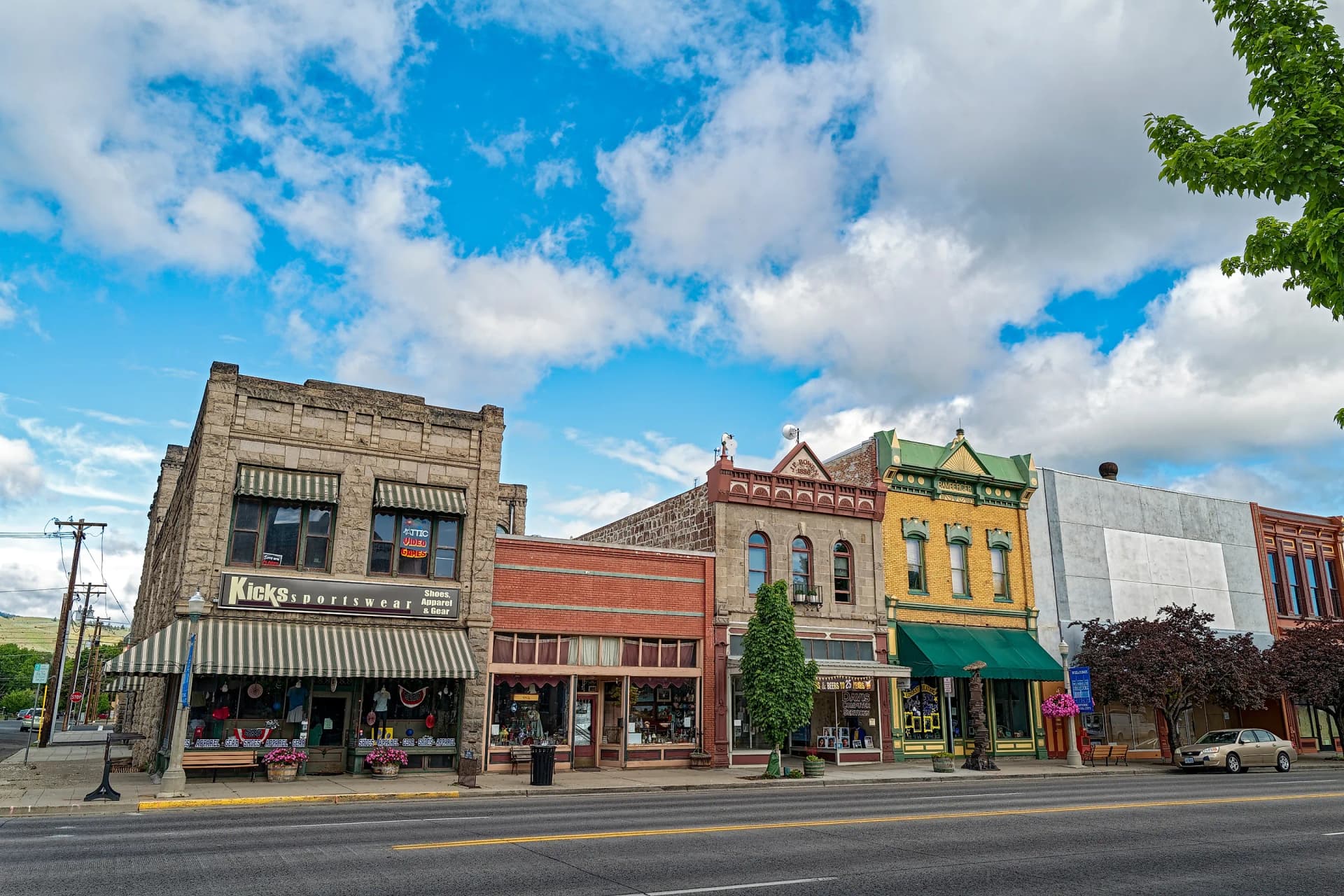
For Baker County cattle operations that depend on electric water pumps, medical patients running home oxygen concentrators, and Main Street businesses that lose a sale every time the lights go out, the number that matters most from Idaho Power's 2025 performance report is 1.04.
That is the average number of times each Idaho Power customer lost power last year, a record low across the utility's nearly 110-year history. The company reported 99.97 percent service availability for 2025, figures it credited to more than $1 billion in grid investment made during the year.
Mitch Colburn, Idaho Power's vice president of planning, engineering and construction, called the results "great to see," particularly in a year when rising electricity demand and summer heat placed unusual strain on the regional grid.
The record arrived even as Idaho Power's service territory faces compounding pressures. Wildfire risk across eastern Oregon and southern Idaho has pushed the company to expand its Public Safety Power Shutoff program, under which the utility can proactively de-energize lines when extreme wind and dry conditions raise ignition risk. For Baker County customers, a PSPS event can arrive with little warning. Idaho Power's online outage map tracks disruptions in real time, and Oregon customers can register for advance notifications through local emergency-alert networks linked on Idaho Power's preparedness page.
The company's longer-range reliability investment centers on the Boardman to Hemingway transmission project, a high-voltage line crossing the region that would improve the utility's ability to move electricity from generation sources to demand centers when supply is tight. Idaho Power has described B2H as foundational infrastructure for a more resilient western grid, one that directly benefits the high-desert corridors of eastern Oregon.
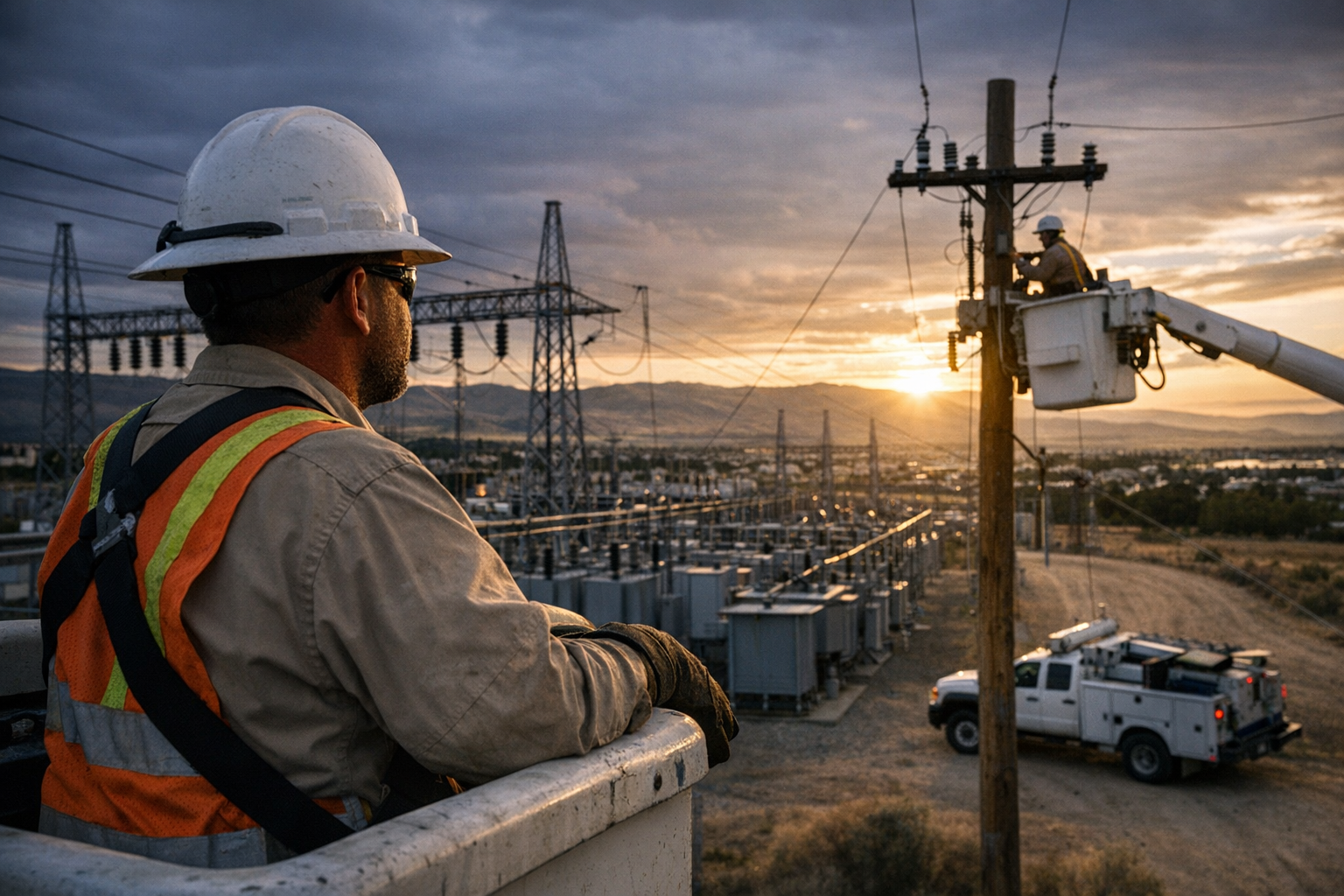
The $1 billion spent on the system in 2025 covered equipment inspections, vegetation management, and replacement of aging underground lines. Vegetation management, including trimming trees that contact power lines during wind or ice events, is among the most direct drivers of outage reduction in rural counties like Baker, where transmission corridors cross timber and rangeland. Fire-resistant wrapping on poles in high-risk corridors is part of the same program.
That level of capital spending feeds directly into rate proceedings at the Oregon Public Utility Commission, where infrastructure investment is typically recovered through customer rates. Idaho Power's public position is that lower outage frequency and shorter restoration times offset the economic cost of rate adjustments for farms, small businesses, and households; regulators and ratepayer advocates weigh that tradeoff in any general rate case.
Customers who want to reduce their exposure regardless of average statistics can take several steps now. Idaho Power's website offers preparedness guidance covering backup generator sizing, medical device contingency planning, and livestock water supply continuity. Customers who rely on electrically powered medical equipment can register with the utility to receive priority notification before planned outages. Idaho Power's customer service line can provide Baker County-specific information about feeder-level maintenance windows and system improvements scheduled for 2026, including any areas targeted for vegetation clearing or equipment upgrades this season.
This article was produced by Prism’s automated news system from verified source data, official records, and press releases, then run through automated quality and moderation checks before publishing. The system is built and supervised by the people who set the standards it runs under. Read our full AI policy.
Did this article answer your question?