Oregon Wildlife Foundation targets Baker County highways to cut wildlife crashes
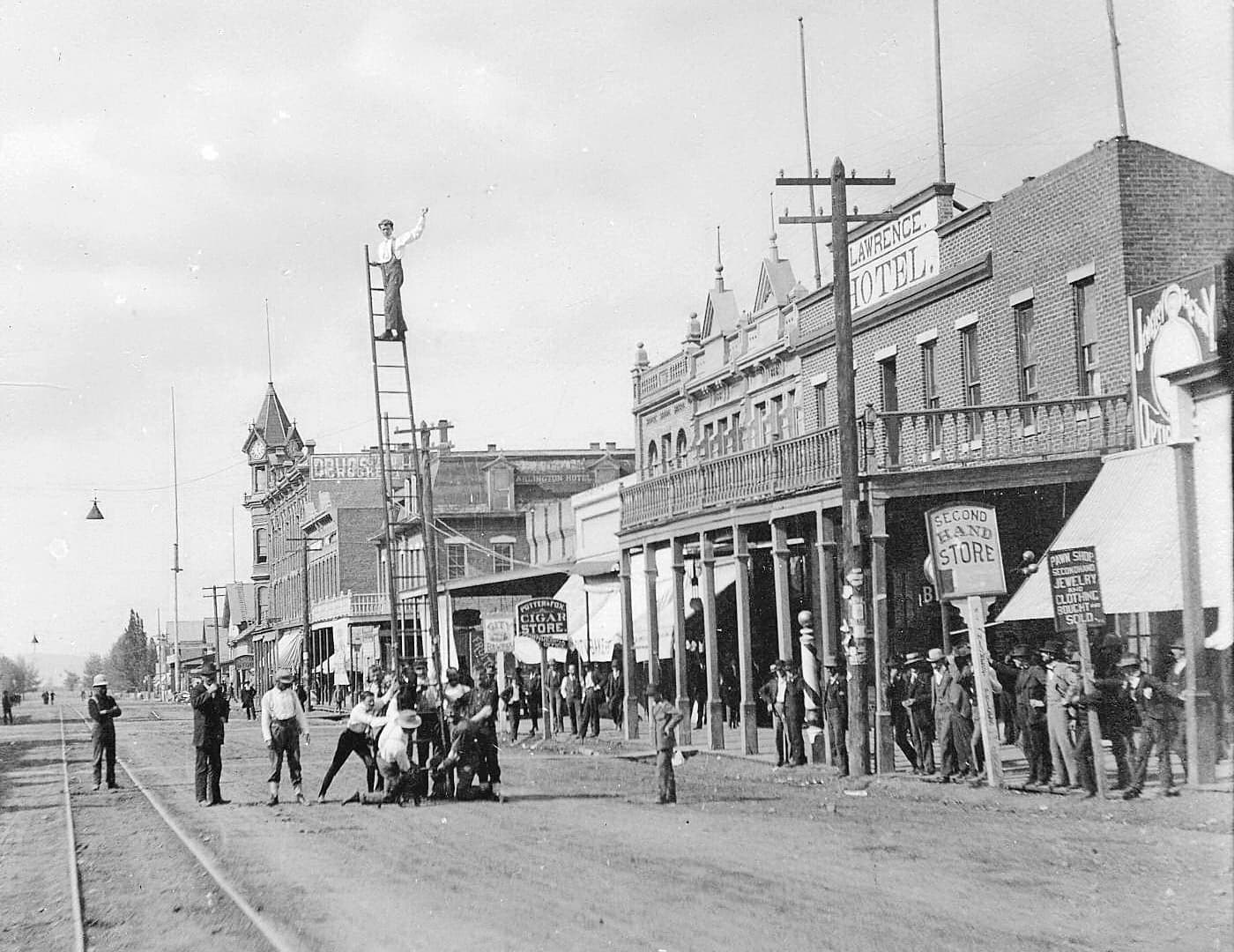
Baker County highways are in the crosshairs as Oregon Wildlife Foundation pushes crossings meant to cut deer and elk crashes. ODOT says migration and breeding season keep the danger recurring.

Oregon Wildlife Foundation is targeting northeastern Oregon highways, including Baker County corridors, in a campaign to cut crashes with deer and elk. The effort treats the region as a public-safety problem and an infrastructure problem, where the same roads that carry commuters, freight and tourists also cut through wildlife movement routes.
The Oregon Department of Transportation says deer and elk are most likely to be on the move during breeding season and during migrations between winter ranges and summer feeding grounds. That makes highway crossings a recurring danger point, not a one-time hazard, and it helps explain why Baker County roads are being folded into the discussion.
For Baker County drivers, the risk lands on routes such as I-84, Highway 7 and other northeastern Oregon roads that pass through animal habitat. When a collision happens, the damage can go beyond a dented bumper. These crashes can injure drivers, leave vehicles with costly repairs and send insurance bills higher, which is why transportation planners often treat wildlife crossings as a safety investment as much as a conservation measure.
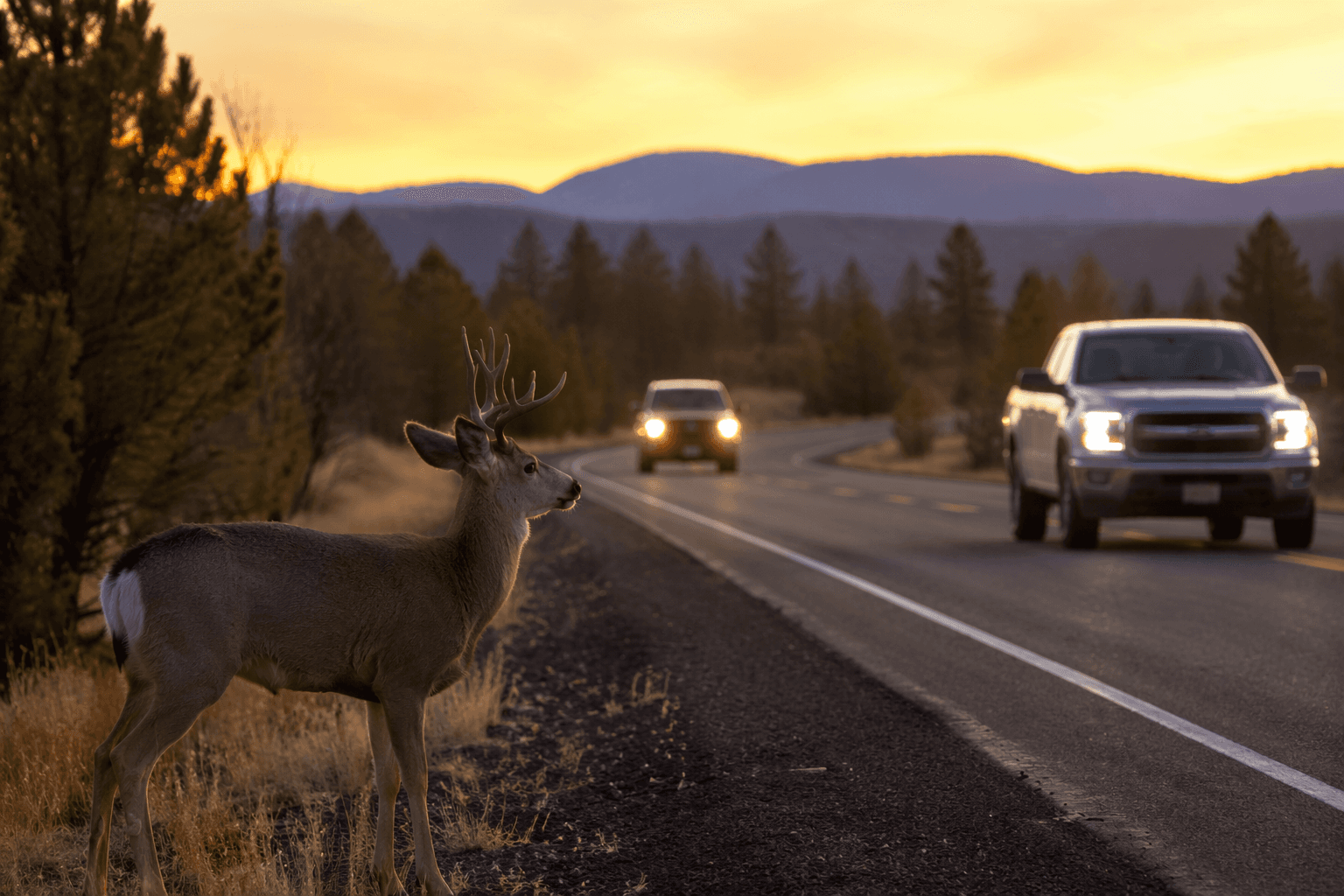
The fixes under discussion are practical ones. Fencing can steer animals away from open pavement and toward safer crossing points. Underpasses and overpasses can keep wildlife moving without forcing animals into traffic lanes. Signage and vegetation management can also be used to make crossings more visible and to guide animals toward designs that reduce the chance of impact.
That matters in a county where rural roads, mountain passes and major freight corridors all overlap with habitat. The Oregon Wildlife Foundation campaign suggests enough concern in northeastern Oregon to focus resources where collisions are most likely and where the geography can support crossing structures. Baker County sits squarely in that zone.

The issue also puts a spotlight on who will act next. ODOT has already laid out the biological reasons the danger persists, and local pressure now turns on whether county leaders and lawmakers decide to back crossing projects, fencing and other changes that could make the roads safer without severing habitat connections.
This article was produced by Prism’s automated news system from verified source data, official records, and press releases, then run through automated quality and moderation checks before publishing. The system is built and supervised by the people who set the standards it runs under. Read our full AI policy.
Did this article answer your question?