Amid copious campaign donations, Baltimore approves developer's marina for police heliport
The Baltimore Board of Estimates approved a 20-year, approximately $17.9 million lease at Clinton Street/Pier 7 to host BPD helicopters, a move that drew waterfront resident protests and political scrutiny.

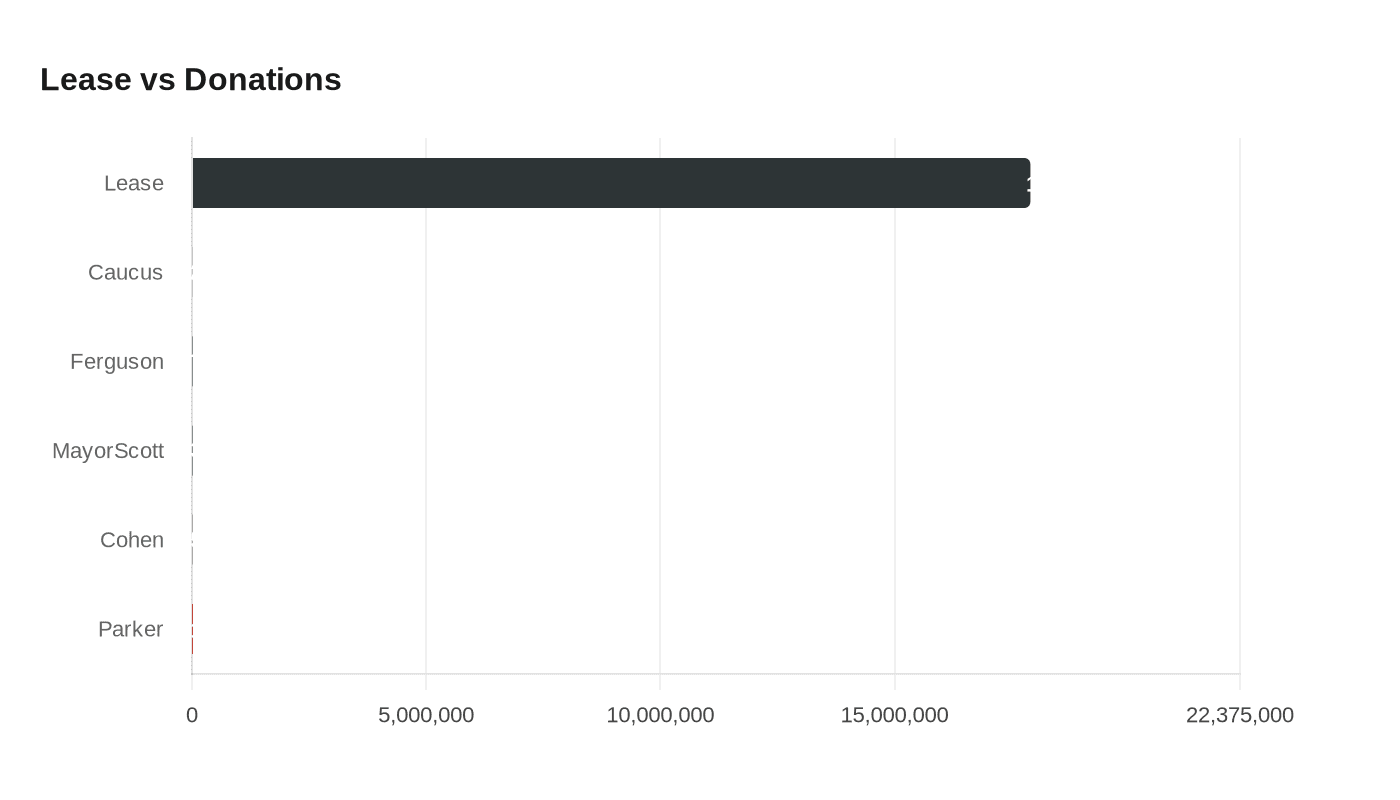
The Baltimore Board of Estimates unanimously approved a 20-year lease worth approximately $17.9 million with developer J. Scott Plank for use of the Clinton Street / Pier 7 heliport in Canton as a base for Baltimore Police Department helicopters. The contract envisions upgrades to the heliport over the next eight months and is set to begin "on or about October 1."
The lease names the heliport as a home base for the BPD’s three-helicopter Airbus fleet. Board members voted in favor despite objections from residents living along the waterfront, who raised concerns about the process and potential local impacts. Jeffrey Penza, president of Beacon Condominium, wrote to the Board of Estimates, saying, "We feel blindsided by this development."
The decision proceeded with language captured in public coverage noting the vote went forward "Whirring past community objections," and residents say they were not given adequate notice or opportunity to weigh in before the lease was finalized. The landing pier is visible from neighborhoods across the Canton waterfront. "The landing pier of the Clinton Street Heliport stretches beyond the blue-roofed building. Canton is at the upper right, Locust Point on the left and downtown Baltimore in the distance." Photo credit: cityfleet.com.

The lease was struck with developer J. Scott Plank, who is identified as the older brother of Under Armour founder Kevin Plank. In the weeks and months before the Board of Estimates vote, Plank made several campaign contributions to local Democratic officials and committees. The reported contributions include $20,000 to the party’s Senate caucus committee; $7,032 given directly to Senate President Bill Ferguson’s campaign committee over the last two election cycles; $3,000 to Mayor Brandon Scott; $5,000 to now City Council President Cohen; and $1,774 to Mark Parker when he ran for the 1st District city council seat. Those donations were reported to have come ahead of the Board of Estimates approval.
The deal raises a mix of operational and governance questions for residents and city watchdogs. The contract’s broad terms are publicized as a total and timeline, but the payment schedule, specific upgrade requirements, procurement process, and whether the city competitively solicited the lease remain to be confirmed in the full contract and Board of Estimates materials. It is also not yet clear whether environmental or Federal Aviation Administration reviews were required or completed for the heliport upgrades.
Baltimore is not alone in facing scrutiny when campaign donations and development approvals intersect. In another city, officials approved up to $5 million in loans for a downtown housing tower that included deep affordability commitments, even as developers’ executives had contributed more than $12,000 to recent council campaigns. That case also highlighted disclosure rules that require elected officials to report developer contributions above locally set thresholds; statewide law raised the reporting threshold to $500 effective Jan. 1, 2025, after earlier local thresholds had required lower disclosure.
For Canton residents, the immediate next steps are concrete: the lease start is scheduled "on or about October 1" and the contract calls for upgrades within eight months. City records - including the full lease, Board of Estimates minutes, procurement files, and campaign finance filings - will be key to answering outstanding questions about value, oversight, and whether neighborhood concerns were adequately considered. To reach a reporter: reutermark@yahoo.com
This article was produced by Prism’s automated news system from verified source data, official records, and press releases, then run through automated quality and moderation checks before publishing. The system is built and supervised by the people who set the standards it runs under. Read our full AI policy.
Did this article answer your question?