Attorney general declines charges in Park Heights police shooting
No charges will follow the Park Heights standoff that left Jonathan Ingram dead and one officer wounded, but Baltimore still faces questions about discipline, civil liability and police tactics.

No criminal charges will be filed in the Park Heights police shooting, closing the state’s criminal-review track even as the case leaves open questions about internal discipline, civil liability and whether Baltimore police tactics in a residential standoff matched the city’s broader promises on use of force and crisis response.
Maryland Attorney General Anthony Brown said Tuesday he would not seek charges in the March 10 shooting in the 6200 block of Park Heights Avenue, where police said a burglary call turned into a SWAT confrontation inside a home. The Maryland Office of the Attorney General said the investigation, handled by the Independent Investigations Division, ended May 19 and found insufficient evidence to prove beyond a reasonable doubt that the officer who fired the fatal shot committed a crime under Maryland law.
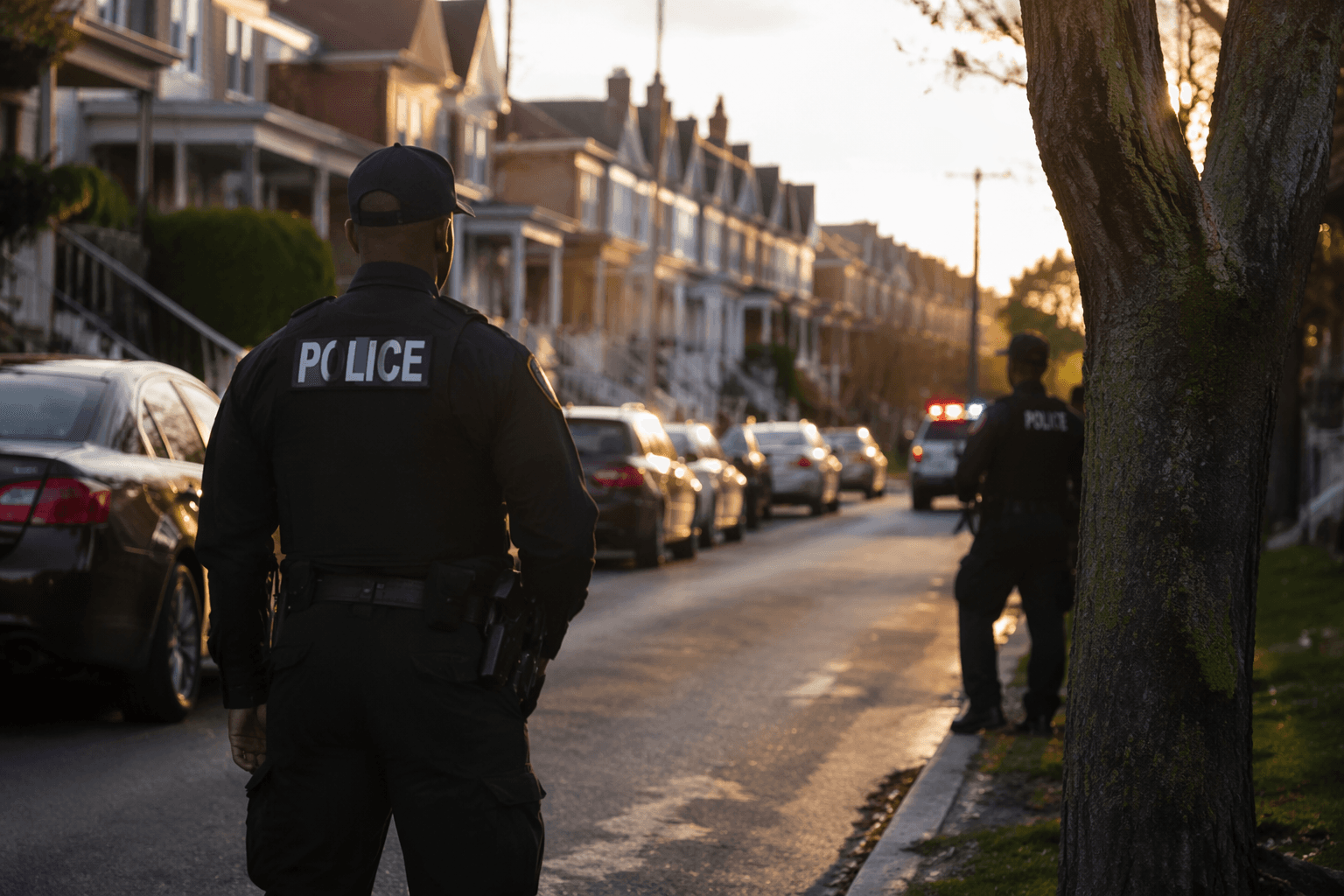
The office said officers responded around 11:45 a.m. after a report of a burglary in progress. Inside the house, police said, were one man and two adult women. According to the report, Jonathan Ingram, a 33-year-old Baltimore resident, fired a handgun at officers and verbally threatened the lives of the two women. One woman escaped by jumping from a balcony into the backyard, where officers pulled her to safety. Ingram fired additional shots and struck one officer, who was later described by police as a 36-year-old, 13-year veteran of the department. He was taken to Shock Trauma, expected to recover and was released the next day.
SWAT Officer Brian Loiero, a 15-year Baltimore Police veteran assigned to the SWAT team, fired a single round through an upstairs window that struck Ingram. Officers then entered the home, rendered medical aid and later pronounced Ingram dead at the scene. Police said a handgun was recovered near him. The department also said body-worn cameras recorded the incident, and Baltimore police released video of the aftermath on March 26, showing the rescue of the women inside the house.
The declination leaves the officer’s actions beyond the reach of criminal prosecution, but it does not settle whether anyone inside the department will face administrative review or whether the city could confront civil claims tied to the shooting. The IID investigation was limited to possible criminal culpability by police officers, not civil liability or discipline, even as Baltimore Police and state officials continue operating under an agreement that allows state investigators to work while the department meets its federal consent-decree obligations.
For Park Heights and the surrounding Northwest Baltimore neighborhoods, the decision brings one layer of closure to a case that began as a burglary call and escalated into a fatal armed standoff. It also leaves intact the harder questions about how police should respond when an apparent hostage situation turns fast, in a rowhouse block where residents saw a shooting, a rescue and a death unfold in a matter of minutes.
This article was produced by Prism’s automated news system from verified source data, official records, and press releases, then run through automated quality and moderation checks before publishing. The system is built and supervised by the people who set the standards it runs under. Read our full AI policy.
Did this article answer your question?