Audit finds Baltimore City Community College gave aid to ghost students
Baltimore City Community College paid about $264,000 in aid to 145 possible ghost students, even after warning signs emerged months earlier.
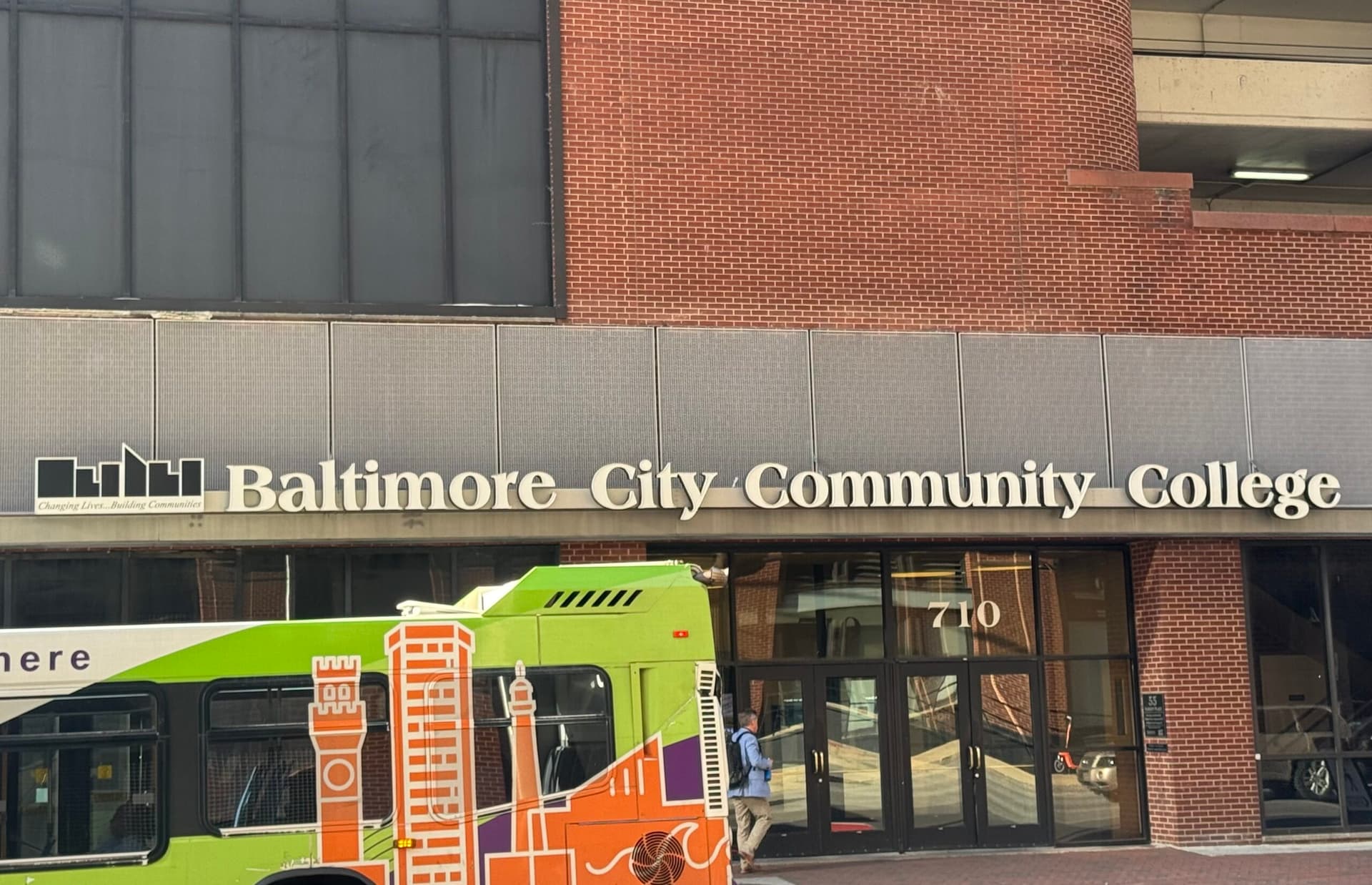
Baltimore City Community College paid financial aid to 145 people auditors classified as possible ghost students, a breakdown that put roughly $264,000 in public money at risk and raised new questions about whether Maryland’s oversight system is catching the same failures fast enough. The latest fiscal compliance audit also found the college did not document key procurements, did not obtain certain required approvals and did not publish contract awards as required.
The review covered college operations from December 1, 2020 through June 30, 2025, and showed the aid problem did not appear out of nowhere. BCCC had flagged suspicious enrollments in May 2024 after students repeatedly registered for the same classes despite having no testing history, but financial aid was still awarded to those students.
For Baltimore, the issue cuts past accounting and into trust. Baltimore City Community College is a public, urban two-year state institution that primarily offers associate of arts degrees and certificate programs in business and health services, along with general studies for transfer to four-year schools. When aid goes to students who are not attending, taxpayers absorb the loss and legitimate students can face tighter scrutiny, slower processing and a system that appears easier to game than to manage.
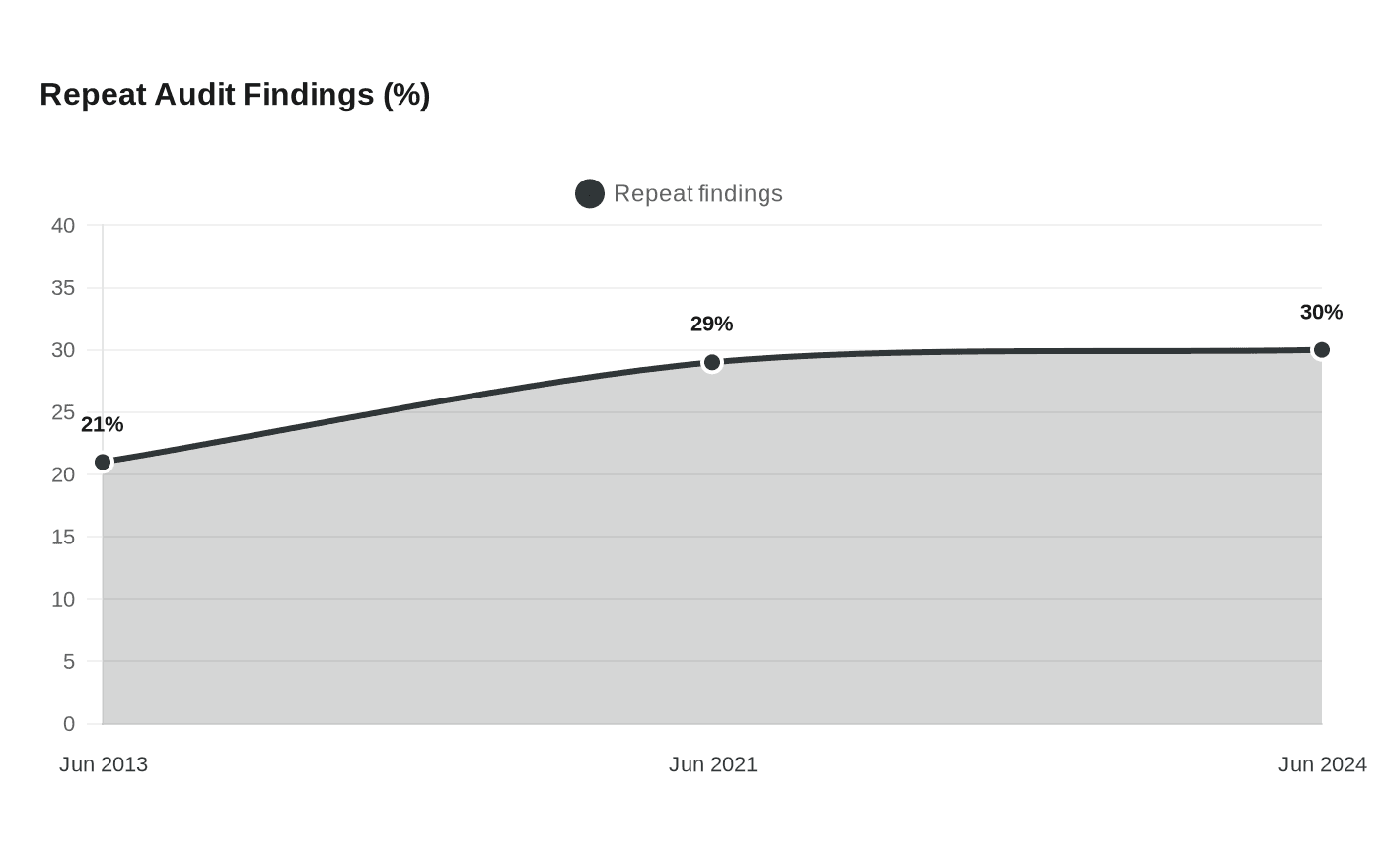
The BCCC findings now sit inside a wider pattern that state auditors have been documenting for years. Office of Legislative Audits follow-up materials show that as of June 2024, 30% of findings were repeated in the first subsequent audit report and 8% were repeated after the second subsequent audit report. Earlier OLA data put repeat findings at 21% in June 2013 before the rate climbed again to 29% by June 2021.
A presentation from the audit office said 34% of audit findings last fall were repeat violations, the highest share since 2020. That trend gives extra weight to the BCCC case because it suggests the problem is not limited to one college or one agency. It is an accountability chain problem, with the same failures returning after the first warning and sometimes after the second.
Gov. Wes Moore has acknowledged concerns raised by recent audits and said many of the problems predated his administration. In February 2026, he directed Cabinet secretaries to improve responses to repeat, problematic audit findings, a signal that state leaders know the pressure is rising. Whether that directive has teeth will be measured not by more reports, but by whether the same violations keep showing up at Baltimore City Community College and elsewhere.
This article was produced by Prism’s automated news system from verified source data, official records, and press releases, then run through automated quality and moderation checks before publishing. The system is built and supervised by the people who set the standards it runs under. Read our full AI policy.
Did this article answer your question?