Baltimore announces $1.2 billion plan to tackle vacant properties
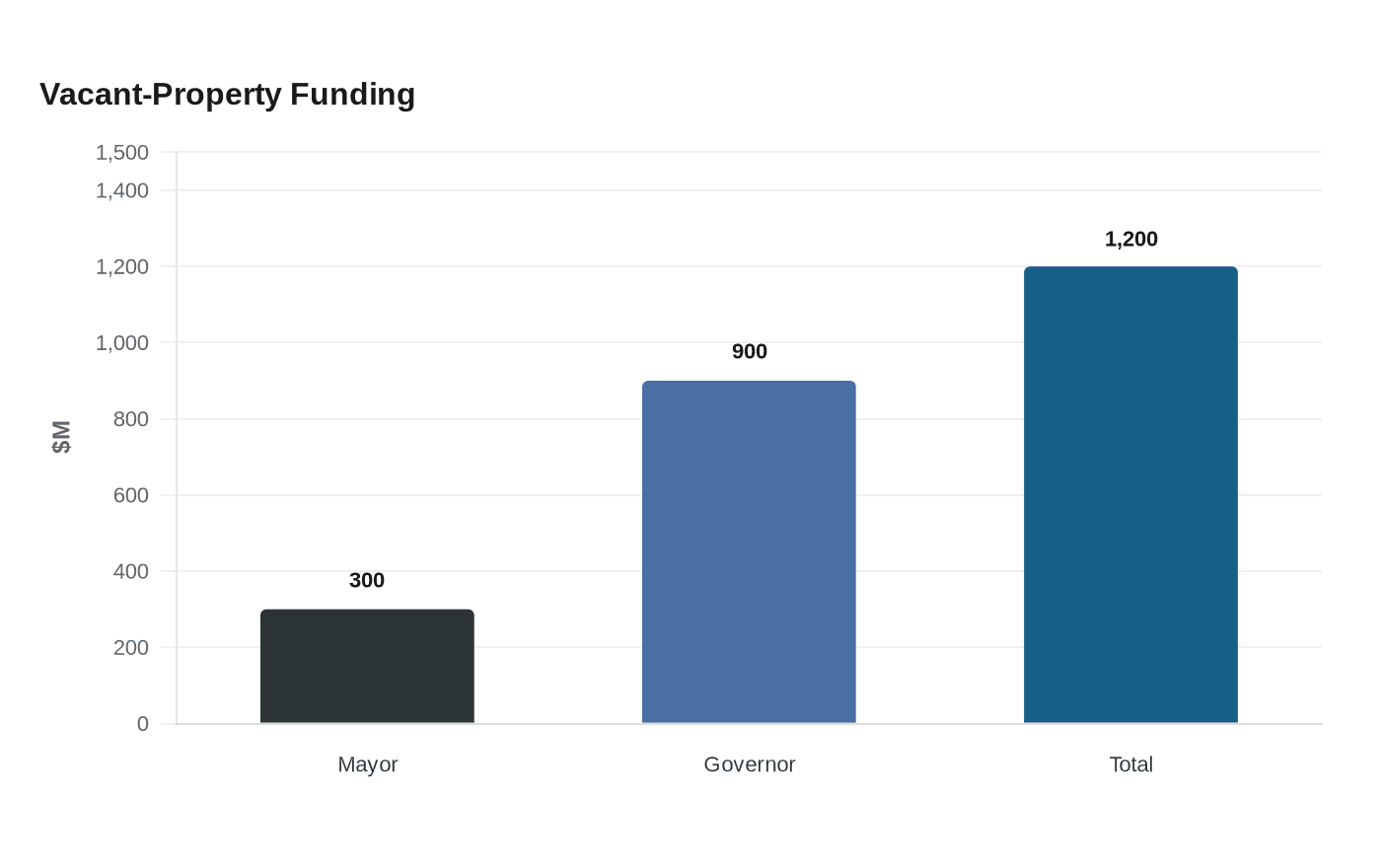
Baltimore has lined up $1.2 billion for vacants, and its first housing bond round drew $389 million in offers for $28.8 million offered.
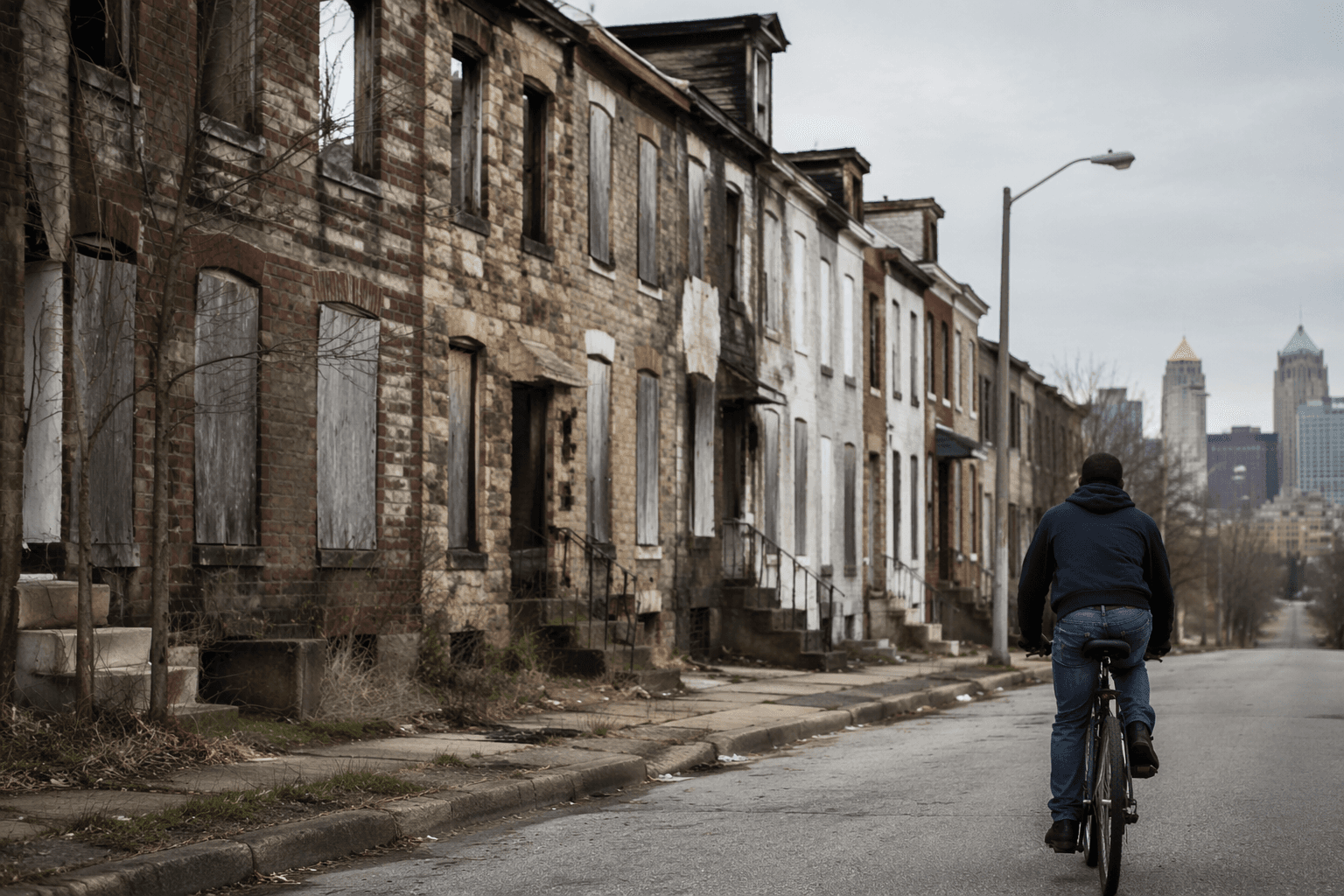
Baltimore has lined up $1.2 billion for its vacant-property push, with Mayor Brandon M. Scott pledging $300 million and Gov. Wes Moore pledging $900 million toward a city effort meant to turn blight into housing and neighborhood green space. The money is part of a broader plan that officials say is drawing real investor attention: in January 2026, the city’s first City-Wide Affordable Housing Tax Increment Financing bond round offered $28.8 million and drew $389 million in offers.
Scott launched the Vacancy Reduction Initiative in 2023 as a 15-year plan to eliminate Baltimore’s concentrations of vacant properties through whole-block results and more than $3 billion in city, state and private funding. The city later rolled that strategy out under the public-facing name Reframe Baltimore in April 2025, presenting it as the long-term framework for ending the vacant-housing crisis.
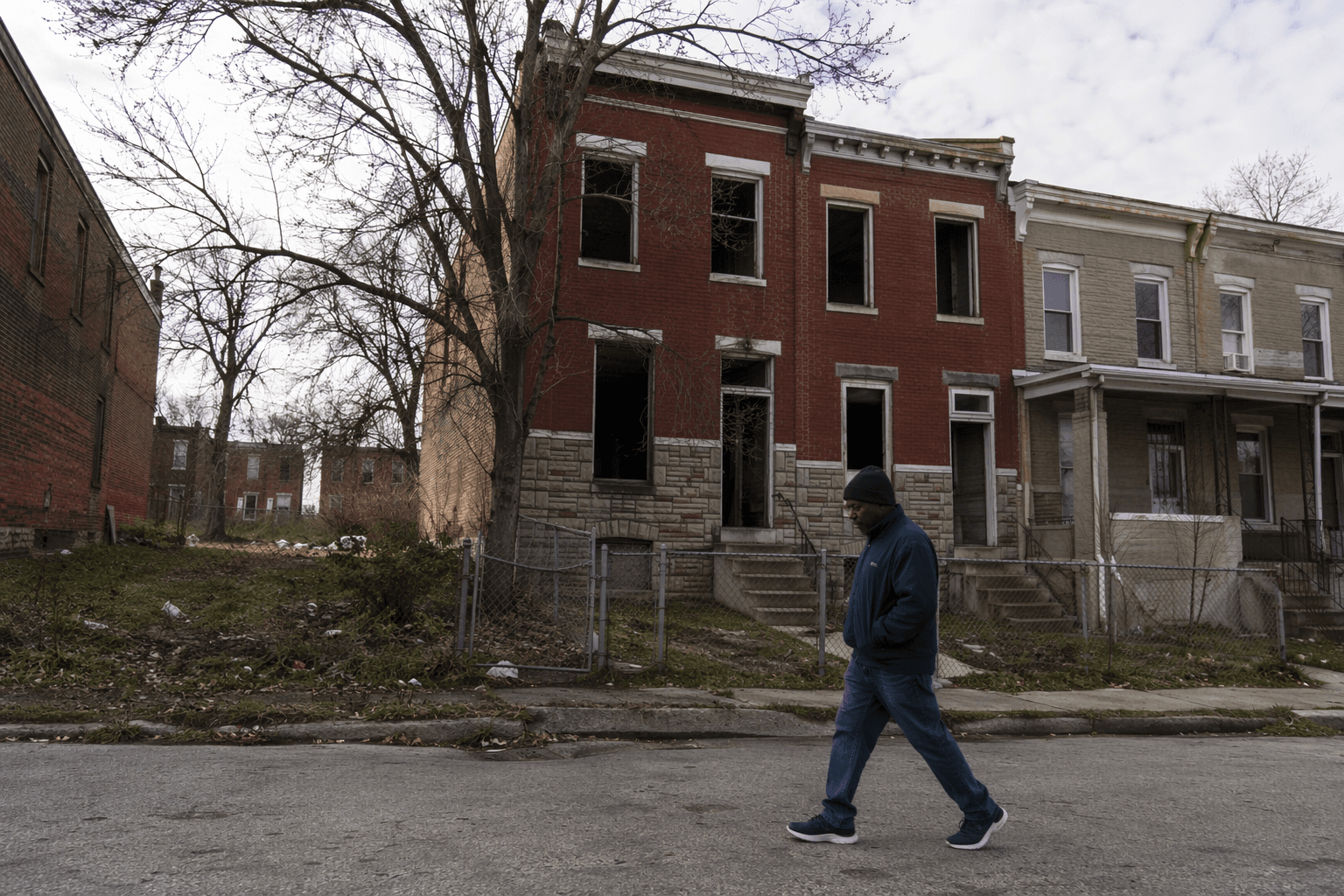
City officials say the push is already producing measurable change. Baltimore says vacant properties are down nearly 20% since Scott took office, and the administration says it has invested $146 million into neighborhoods over that same period. The city’s open data portal now tracks vacant building notices that are updated daily, along with a Vacant Building Dashboard that shows the scale of the problem block by block across Baltimore.
Two of the city’s main tools are meant to speed that turnaround. The Fixed Pricing Program, launched on March 20, 2024, is designed to streamline the disposition of city-owned properties. Judicial In Rem foreclosure gives the Baltimore City Department of Housing & Community Development a way to foreclose on liens for a vacant lot or building when the liens exceed the property’s assessed value, clearing the way for the city to take title.
The administration says the goal is not just to remove dangerous shells from the tax rolls, but to move properties into productive use before they drag down another block. With $1.2 billion pledged and a $389 million response to the city’s first housing bond round, Baltimore is betting that the next phase of its vacants fight will be visible on the street, not just in the budget.
This article was produced by Prism’s automated news system from verified source data, official records, and press releases, then run through automated quality and moderation checks before publishing. The system is built and supervised by the people who set the standards it runs under. Read our full AI policy.
Did this article answer your question?