Baltimore Approves Major City Worker Contracts, Raises Pay and Safety
On November 25, 2025, Mayor Brandon Scott signed three AFSCME union contracts that deliver double digit pay increases, raise the minimum wage for city workers to at least twenty dollars an hour, and strengthen safety measures. Negotiated after two Department of Public Works worker deaths earlier this year, the agreements include retroactive pay and new joint labor management review of safety data, changes that will affect municipal services and worker morale across the city.
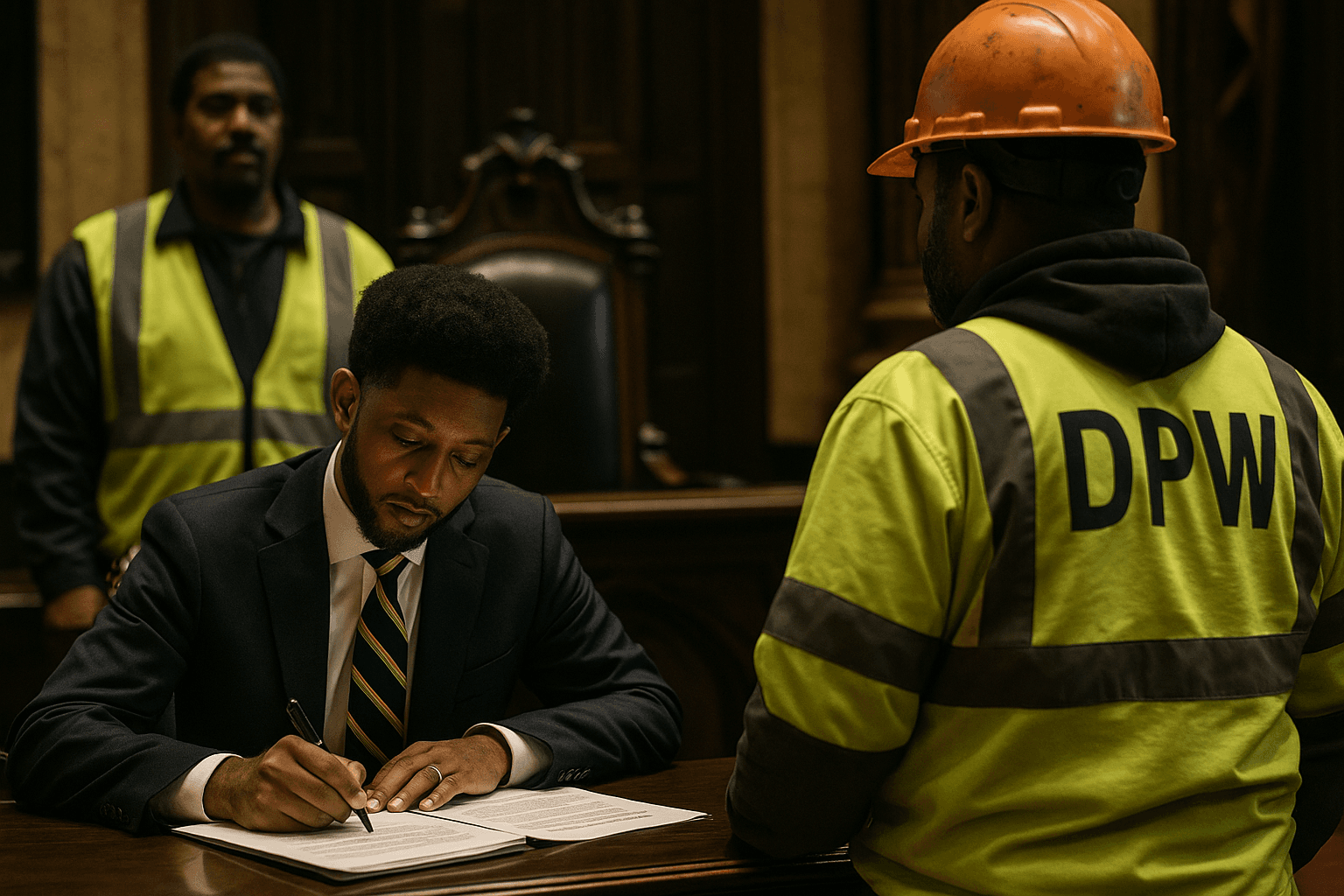
Mayor Brandon Scott formally signed three AFSCME contracts on November 25, completing a bargaining process shaped by tragic workplace deaths and months of negotiations. The pacts provide pay raises ranging from twelve to nineteen percent, set a floor of at least twenty dollars per hour for city employees, and establish a twenty five step salary scale to be phased in over three years. The contracts also raise hazard pay from fifteen cents to seventy five cents per hour and nearly double the meal allowance to fifteen dollars.
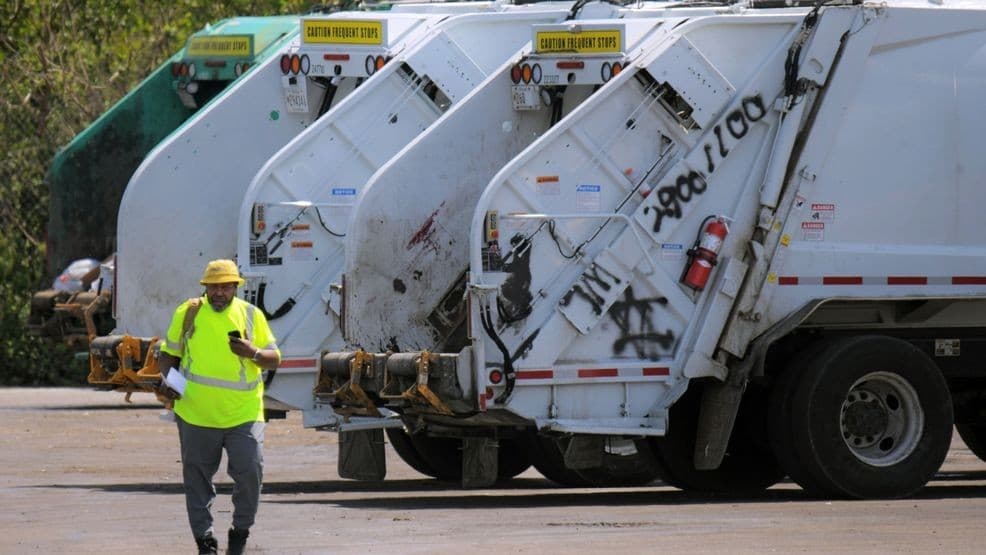
The timing and terms reflected heightened attention to worker safety following two Department of Public Works fatalities earlier in 2025. The agreements include improved safety and health protections and create a joint labor management committee charged with reviewing safety data. City officials said the contracts are retroactive, with employees seeing impacts in December pay and back pay scheduled for mid December.
For Baltimore residents the changes carry immediate and longer term consequences. Higher wages will increase take home pay for thousands of municipal workers who maintain streets, sanitation, parks and public facilities. That could boost local spending and ease cost of living pressure for households that rely on city employment. At the same time, the city will need to reconcile the fiscal impact on its budget and maintain service levels as new payroll costs phase in.
The bargaining outcome also speaks to broader dynamics in labor relations. The focus on safety and the creation of a joint review body mirror practices advocated by international labor standards for worker protection. Neighborhoods that depend on Department of Public Works operations will be watching how safety reforms translate into day to day practices and whether the committee leads to measurable reductions in workplace risk.
Tensions remain. The accords were signed amid ongoing disputes over leadership in Local 44 and a pending union runoff election that could shape how newly secured gains are implemented and enforced. As employees receive retroactive payments in mid December, attention will turn to whether improved wages and new safety oversight restore trust and reduce the likelihood of future tragedies.
This article was produced by Prism’s automated news system from verified source data, official records, and press releases, then run through automated quality and moderation checks before publishing. The system is built and supervised by the people who set the standards it runs under. Read our full AI policy.
Did this article answer your question?