Baltimore-Area Cousins Indicted for CARES Act Unemployment Fraud Scheme
Three Baltimore-area cousins were indicted for submitting false CARES Act unemployment claims, a case that underscores fraud risks and potential strain on local benefit systems.
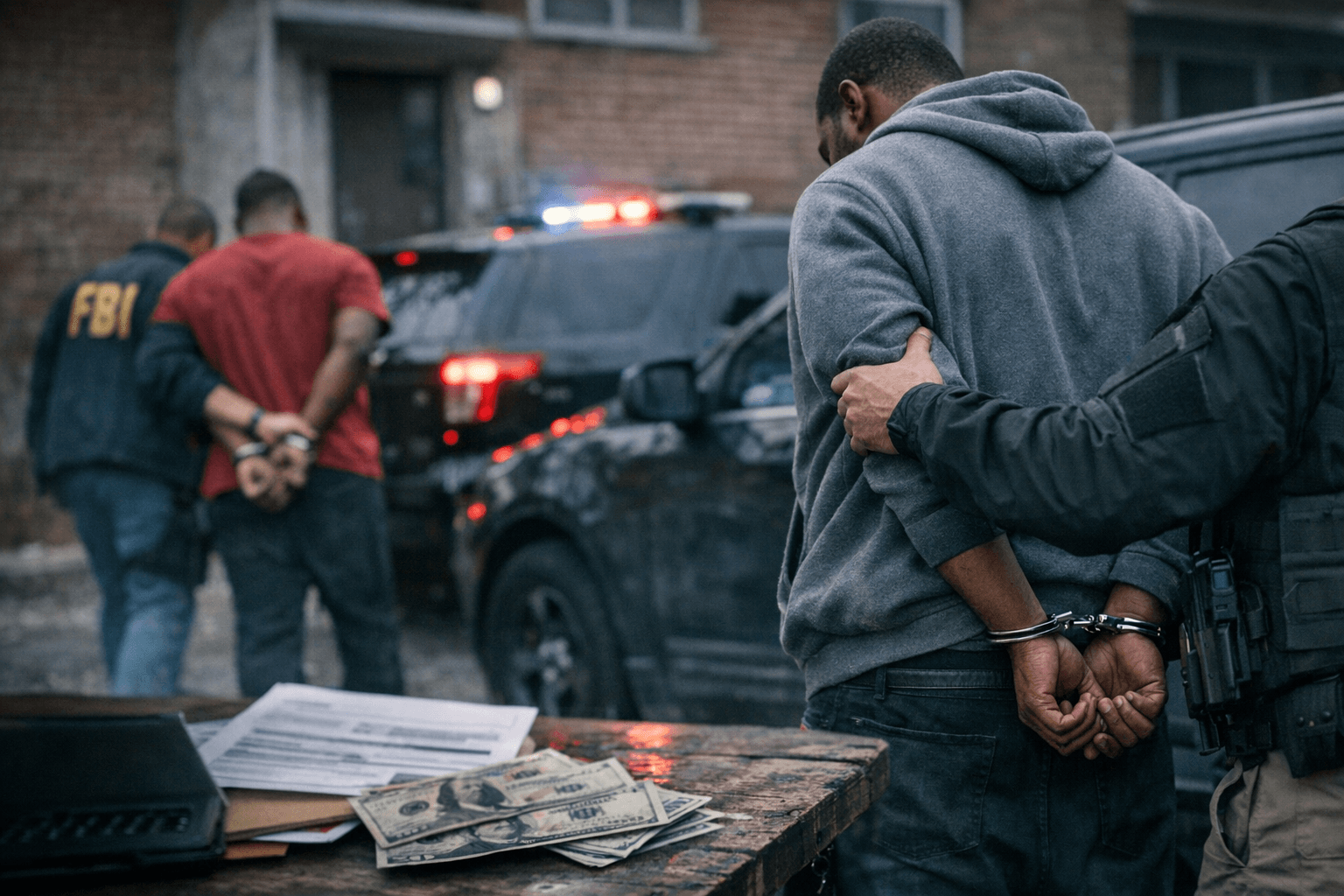
Three Baltimore-area cousins were indicted in federal court after a superseding indictment unsealed January 20, 2026 charged them with using false claims to obtain CARES Act unemployment benefits during the COVID-19 pandemic. The case was brought by the U.S. Attorney’s Office for the District of Maryland and reflects continued scrutiny of pandemic-era relief programs.
The defendants are Daiwor “Mark Brown” Woah-Tee, 52, of Belcamp, Maryland; Dekwii Woah-Tee, 47, of Baltimore, Maryland; and Laiworpaye Woah-Tee, 49, of Nottingham, Maryland. The superseding indictment charges all three with conspiracy to submit false, fictitious, and fraudulent claims for unemployment benefits. In addition, Daiwor Woah-Tee and Dekwii Woah-Tee face counts of wire fraud conspiracy, wire fraud, and aggravated identity theft tied to schemes to fraudulently obtain unemployment benefits.
Federal authorities credited investigative work by IRS Criminal Investigation, the Department of Labor Office of Inspector General, and the Department of Homeland Security Office of Inspector General. The indictment signals that prosecutors view this as a coordinated effort that crossed state reporting systems and used identity information to divert pandemic relief funds.
The immediate local impact for Baltimore residents is twofold. First, fraud like the conduct alleged erodes public confidence in emergency benefit programs and can contribute to stricter verification measures that slow processing for legitimate applicants. Second, money lost to fraudulent claims reduces resources intended for unemployed residents in genuine need, potentially increasing pressure on local social services and labor supports. Baltimore workers who relied on CARES Act benefits during the pandemic may see this prosecution as part of a broader push to recover misdirected funds and tighten safeguards.
Legal consequences for the defendants could include significant prison terms and restitution if convicted under federal statutes that address wire fraud and identity theft. The case will proceed through the federal court system in the District of Maryland, where prosecutors will present evidence gathered during multiagency investigations.
For community members, investigators have emphasized reporting suspected disaster-related fraud. The National Center for Disaster Fraud provides guidance for reporting suspected CARES Act or pandemic-relief fraud, and local residents can contact federal authorities with tips. Baltimore-area residents affected by unemployment issues should also expect continued oversight of pandemic-era claims as authorities pursue similar cases.
This prosecution is part of a nationwide effort to address pandemic-era fraud while balancing the need to protect legitimate claimants; it signals ongoing federal attention that could shape how Marylanders access unemployment benefits going forward.
This article was produced by Prism’s automated news system from verified source data, official records, and press releases, then run through automated quality and moderation checks before publishing. The system is built and supervised by the people who set the standards it runs under. Read our full AI policy.
Did this article answer your question?