Baltimore asks residents to cut water use as drought deepens
City water customers were told to cut outdoor watering and other heavy uses as Liberty and Prettyboy reservoirs slipped below normal.
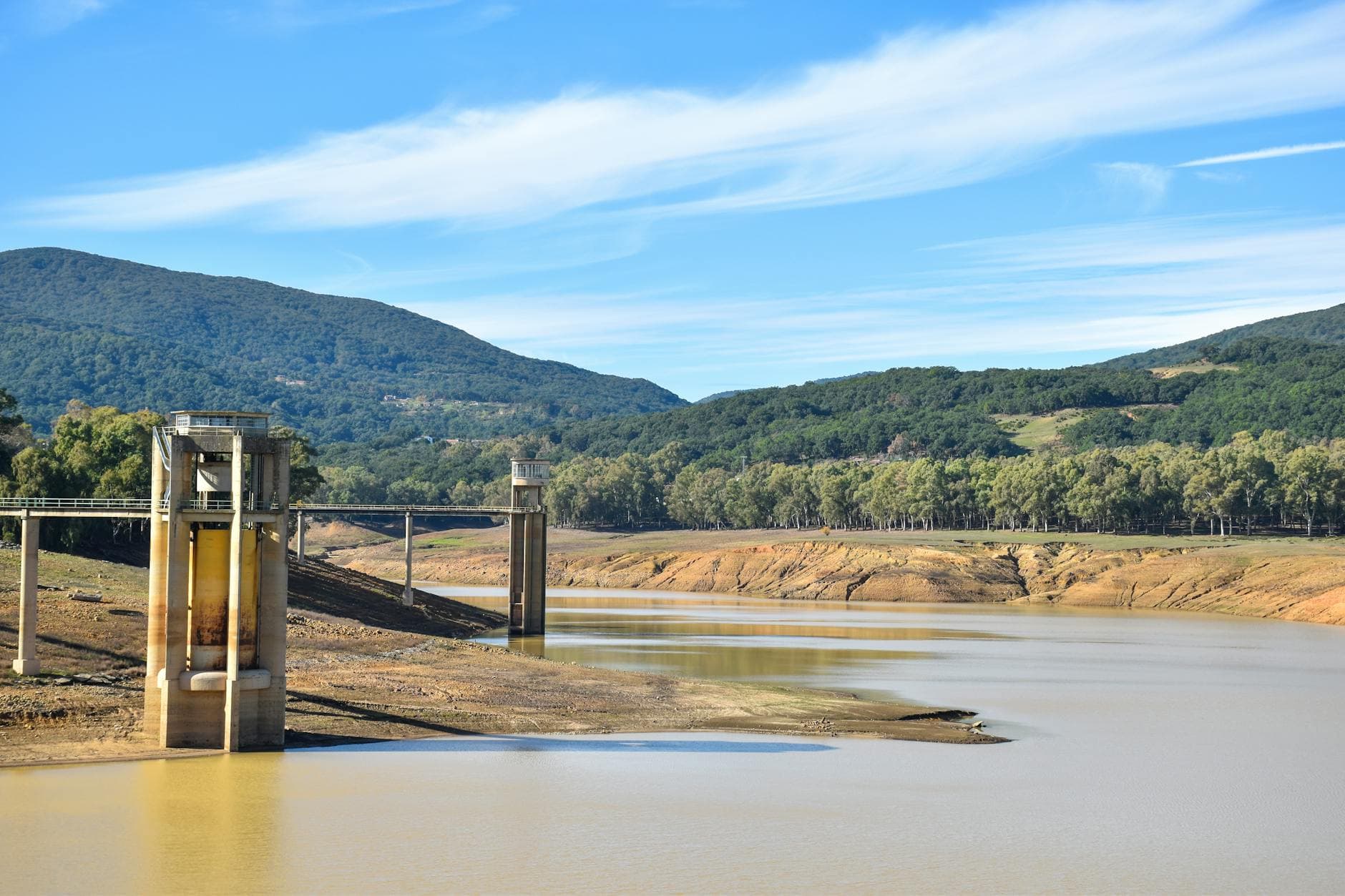
Baltimore water customers were asked to cut back on non-essential use as Liberty and Prettyboy reservoirs fell below normal and summer demand neared, putting voluntary restrictions in place across Baltimore City, Baltimore County, Carroll County, Harford County and Howard County.
The Baltimore City Department of Public Works said public-water customers should avoid unnecessary outdoor watering, washing and other high-volume uses. The request does not affect private wells, but it does reach households and businesses tied to the city system, which supplies drinking water to about 1.8 million people across the region. Officials said the goal is to slow demand now and avoid mandatory limits later if dry conditions persist.
DPW said Liberty Reservoir stood six feet below normal and Prettyboy Reservoir two feet below normal when the advisory went out. The city's three reservoirs, which also include Loch Raven Reservoir, hold about 86 billion gallons and feed treatment plants that can produce up to 360 million gallons a day. That makes even modest conservation significant when rainfall is below average and summer use is about to climb.
Maryland's Department of the Environment tracks drought using precipitation, stream flow, groundwater levels, reservoir storage, supply status, temperature and season, and classifies conditions as Normal, Watch, Warning or Emergency. The state updated its Drought Monitoring and Response Plan in December 2025, a reminder that the response to dry weather is tied to measured thresholds, not just a general sense that conditions feel parched.

Baltimore has been through this before. The city imposed similar voluntary restrictions on May 8, 2025, after Liberty Reservoir dropped to its lowest point in nearly two decades. Officials later lifted those limits after record-setting rainfall in May restored Liberty, Loch Raven and Prettyboy to near-normal seasonal levels. This year's advisory is less severe, but it lands as another warning that reservoir health can change quickly from one wet month to the next.
DPW said it will keep watching rainfall and reservoir levels in the weeks ahead, and it could turn to the Susquehanna River as a backup supply if conditions worsen. Water drawn from that source is treated and safe to drink, though customers may notice a slight change in taste or odor, a small tradeoff if the region has to lean harder on its backup system.
This article was produced by Prism’s automated news system from verified source data, official records, and press releases, then run through automated quality and moderation checks before publishing. The system is built and supervised by the people who set the standards it runs under. Read our full AI policy.
Did this article answer your question?