Baltimore City Council rejects inspector general push for spending records
Council’s 13-1 vote kept Baltimore’s inspector general from getting direct access to city spending records, after an audit flagged more than $890,000 in mayoral spending.

Baltimore City Council’s 13-1 vote against fast-tracking a charter amendment left Inspector General Isabel Mercedes Cumming without the direct access she says she needs to examine city spending records, payroll files and other documents tied to Baltimore agencies. The move blocked an immediate path to restore her office’s access to records from the Mayor’s Office of Neighborhood Safety and Engagement and other city departments, keeping taxpayers from seeing the underlying paperwork that shows who approved purchases, what was bought and whether the spending complied with city rules.
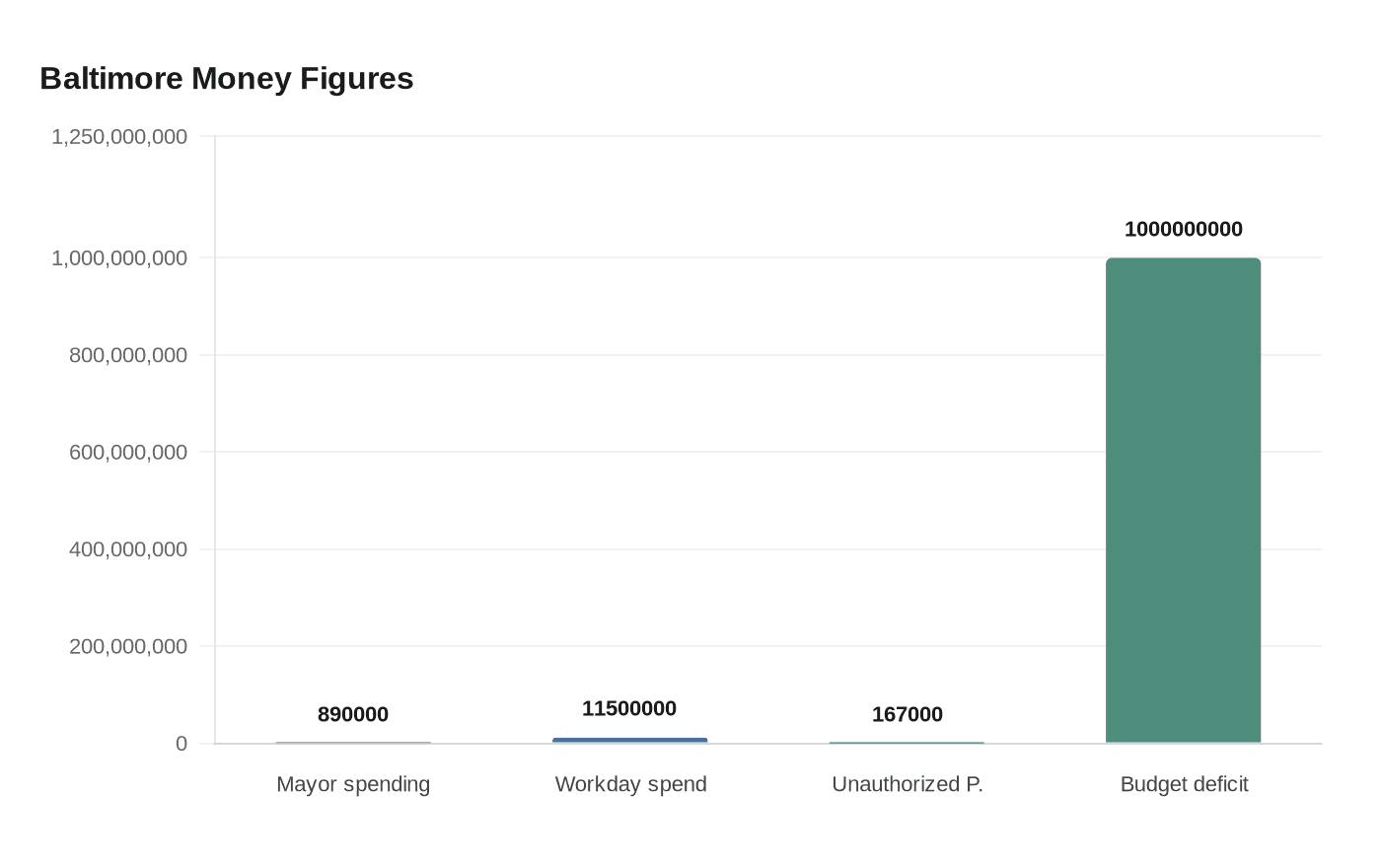
The standoff intensified after Cumming filed suit on February 24, 2026, in Baltimore City Circuit Court, asking a judge to declare that the Office of the Inspector General is independent and has subpoena power over city records. Mayor Brandon Scott’s office had already restricted her access before the lawsuit. A day later, Cumming’s office issued a report covering July 1, 2022, through November 17, 2025, that found the mayor’s office spent more than $890,000 on food, office parties and flowers. Related reporting said investigators reviewed more than $11.5 million in Workday and procurement-card transactions, found 336 purchases without required approvals and identified at least $167,000 in unauthorized P-card spending.

That spending has fueled a sharper backlash as Baltimore faces a looming budget deficit of roughly $1 billion. Residents and media outlets described the outlays as alarming and wasteful, and the symbols of City Hall excess, including baby showers, crab cakes, wings and skyboxes, have become part of the political fight over how much scrutiny the mayor’s office should face.
Councilman Mark Conway has pushed legislation and a charter change that would make the inspector general a co-custodian of city agency records, giving the office direct access to the files it needs to investigate waste, fraud and abuse without depending on the mayor’s office. Supporters of the change packed City Council chambers in recent days and argued that voters, not City Hall, should settle the question. The dispute has also turned on whether Maryland public-records law or the city charter controls access.
Baltimore voters created the Office of the Inspector General in 2018, and the advisory board was made citizen-based in 2022, underscoring how much of this fight is about independence as much as access. The council’s vote did not end the conflict. It signaled that, for now, City Hall will keep control of the records that would let an outside watchdog follow the money.
This article was produced by Prism’s automated news system from verified source data, official records, and press releases, then run through automated quality and moderation checks before publishing. The system is built and supervised by the people who set the standards it runs under. Read our full AI policy.
Did this article answer your question?