Federal prosecutors file charges in Key Bridge collapse case
Federal prosecutors charged two shipping companies and a Dali supervisor in the Key Bridge collapse, putting Baltimore’s $5 billion loss and recovery effort back in focus.
The question in Baltimore now is whether these charges will move the city closer to restitution and recovery, or simply add another expensive chapter to a disaster that reshaped daily life around the port, the bridge network and the Patapsco River.
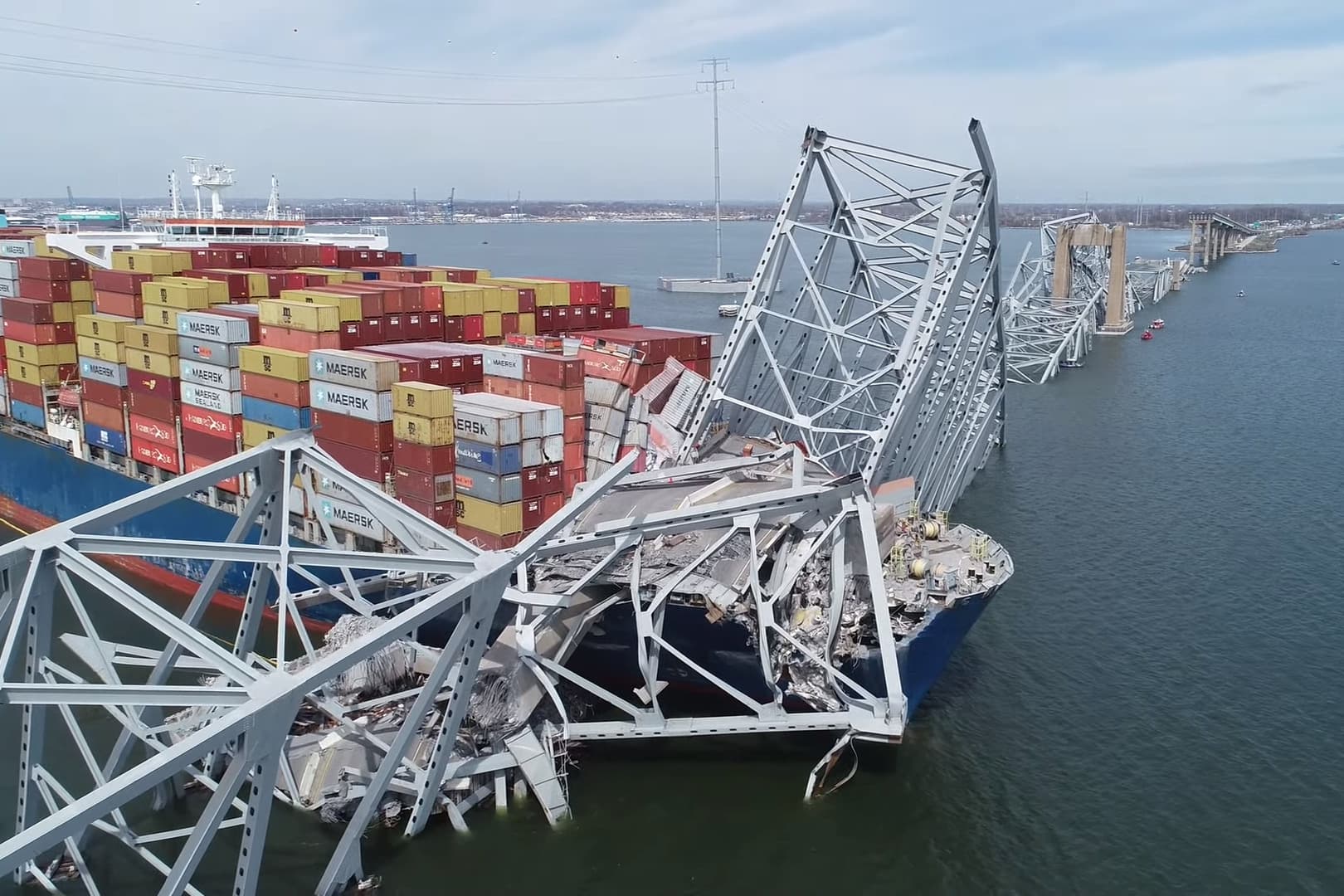
Federal prosecutors unsealed a criminal indictment Tuesday against Synergy Marine Pte Ltd. of Singapore, Synergy Maritime Pte Ltd. of Chennai, India, and Radhakrishnan Karthik Nair, a 47-year-old Indian national who served as technical superintendent for the Dali. The case centers on the March 26, 2024 collapse of the Francis Scott Key Bridge, which killed six construction workers and severed one of Baltimore’s most important transportation links.
The Justice Department said the defendants face charges of conspiracy to defraud the United States, willfully failing to inform the U.S. Coast Guard of a known hazardous condition, obstruction of an agency proceeding and false statements. The corporate defendants were also charged with misdemeanor Clean Water Act, Oil Pollution Act and Refuse Act violations tied to pollutants and debris released into the Patapsco River and Chesapeake Bay.
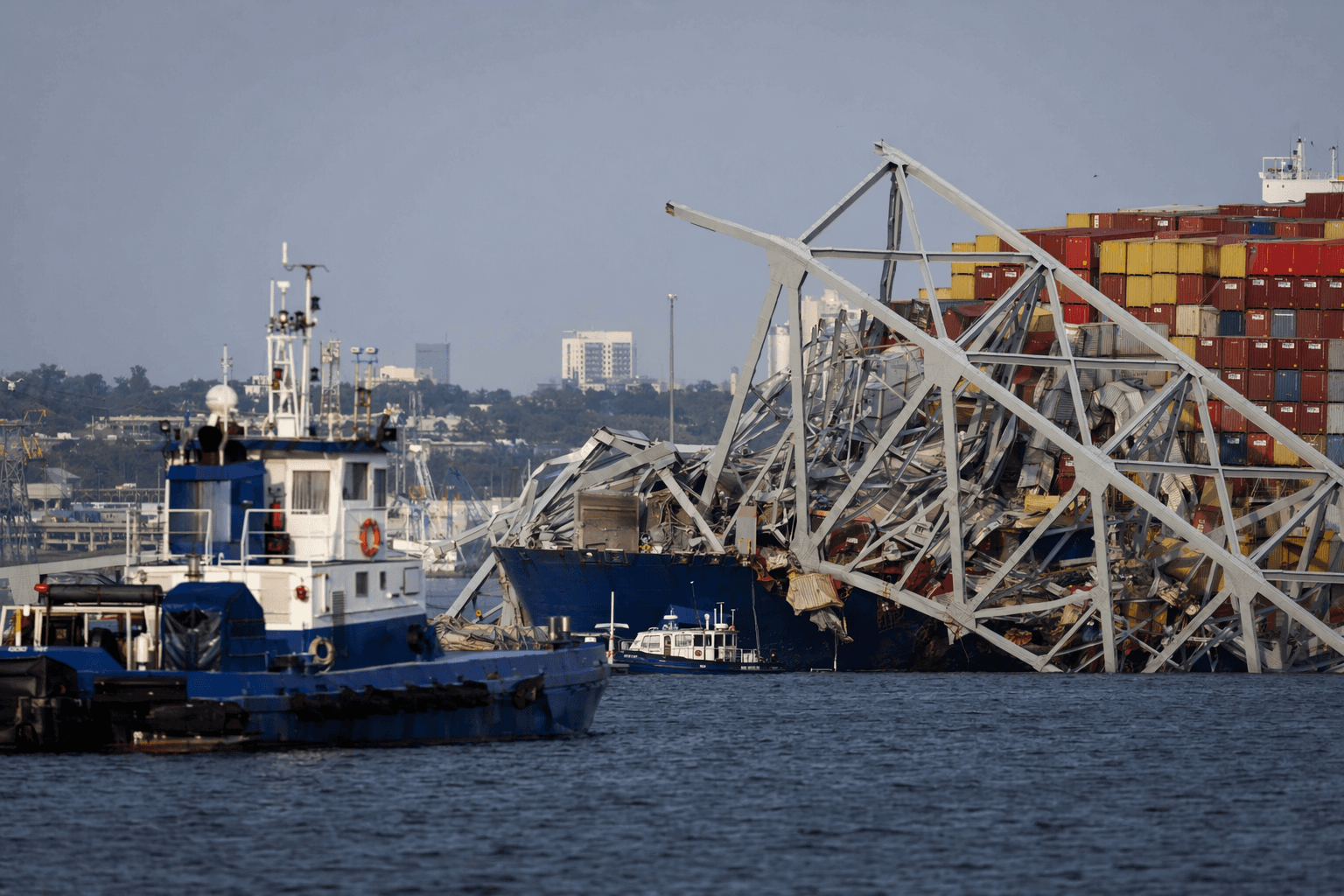
Prosecutors said the collapse was avoidable and that safety problems had been concealed from authorities. They allege the Dali used flushing pumps that could trigger blackouts and that the risk was not disclosed to regulators. Federal officials said the alleged economic loss exceeds $5 billion, a figure that captures far more than the bridge itself: the freight detours, the rerouted commutes, the strain on the Port of Baltimore and the cost of restoring access that had been taken for granted for decades.
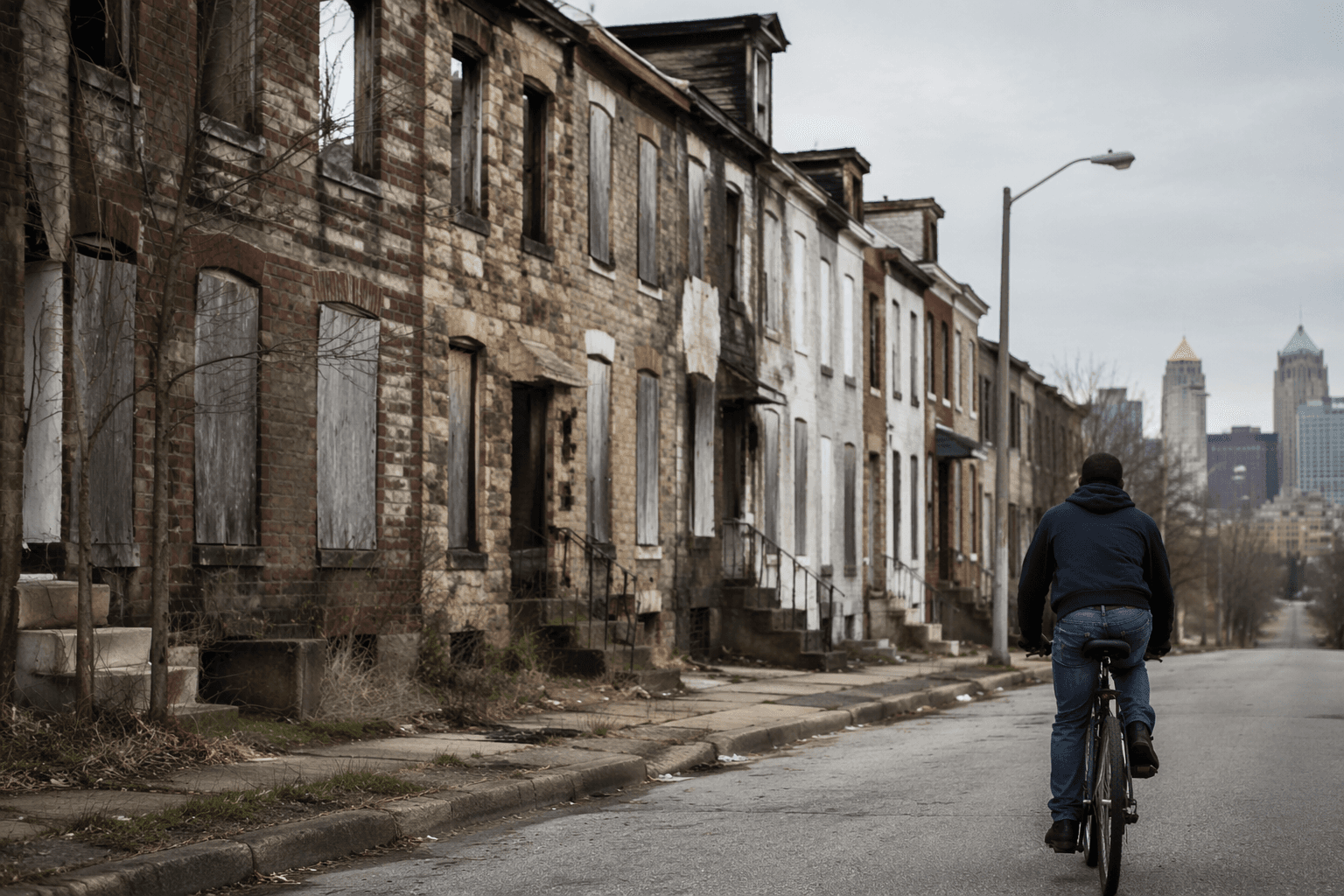
Mayor Brandon M. Scott said the crash caused enormous harm to commuters, businesses, taxpayers, port communities, waterways and the city’s infrastructure. For Baltimore, the indictment lands as an accountability milestone as much as a legal one. Families who lost loved ones on the bridge, workers whose trips were upended and businesses that absorbed the shock have spent more than a year living with the consequences of a collapse that tore through the city’s transportation and economic system.
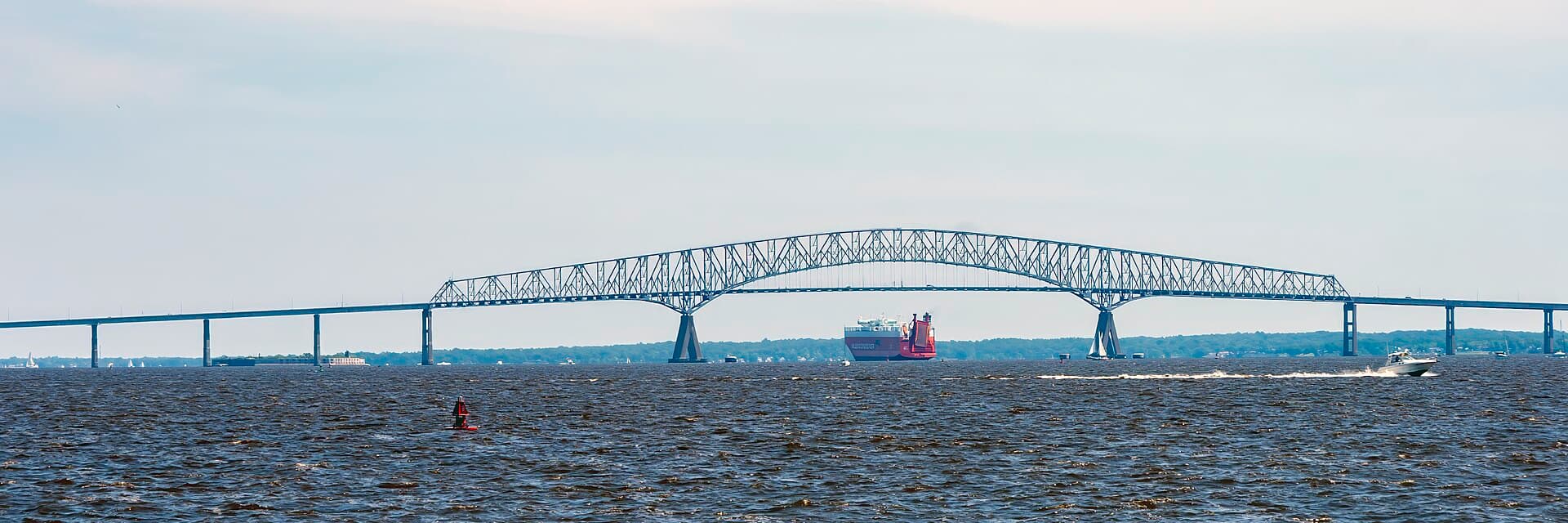
The National Transportation Safety Board said on Nov. 18, 2025, that a single loose wire caused electrical blackouts that led to the Dali’s loss of propulsion and steering, and investigators concluded the collapse was preventable. The board also said the Key Bridge, which opened in 1977, lacked countermeasures to reduce vulnerability to impact from ocean-going vessels.
The Maryland Transportation Authority has kept a Key Bridge news page tracking salvage, channel restoration and recovery efforts, including the work to bring back the six victims. The charges now shift the case from engineering failure alone to a broader question of corporate responsibility, public safety and who will ultimately pay for one of Baltimore’s most consequential infrastructure losses in decades.
This article was produced by Prism’s automated news system from verified source data, official records, and press releases, then run through automated quality and moderation checks before publishing. The system is built and supervised by the people who set the standards it runs under. Read our full AI policy.
Did this article answer your question?