Baltimore asks residents to help choose city’s new official tree
Baltimore is voting on its first official tree in more than 50 years, a choice that will shape shade, upkeep and the city’s push toward 40 percent canopy.
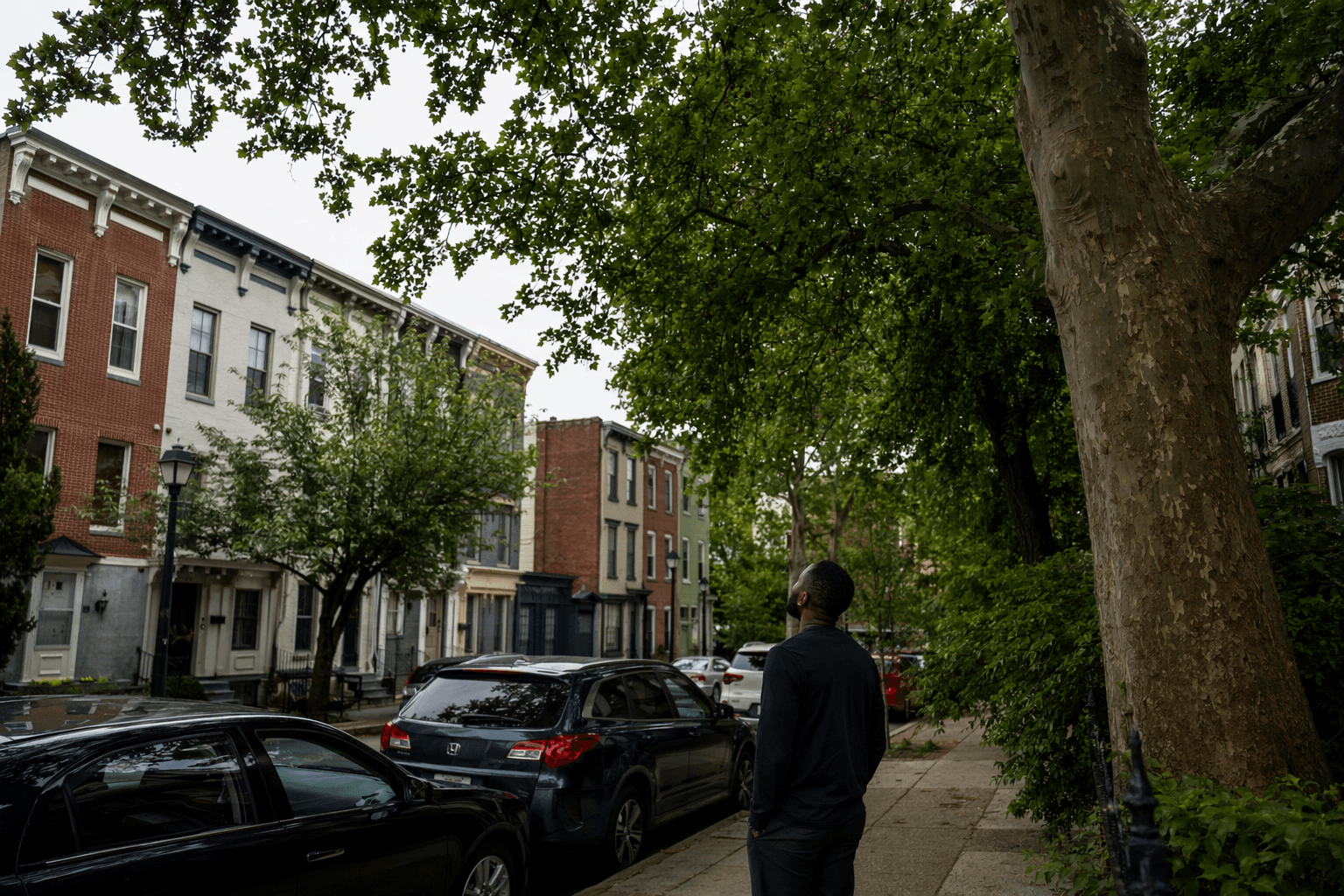
Baltimore residents are weighing a tree vote that is more than a civic courtesy. The city is choosing its first official tree in more than 50 years, and public voting stays open until June 6 as officials frame the decision around canopy, neighborhood character and the everyday reality of life under Baltimore’s street trees.
TreeBaltimore will announce the result on Thursday, Aug. 27, at the TreeBaltimore Summer Gathering at Cylburn Arboretum. The event runs from 5:30 to 8:30 p.m., is free and open to the public, and requires registration.
The timing matters because Baltimore is trying to grow a tree cover that still falls well short of the city’s own goal. City data says Baltimore has about 2.8 million trees, but its existing canopy is 27.4 percent. At the same time, 43 percent of the city is hard surfaces and 19 percent is grassland that could potentially be planted. TreeBaltimore’s mission is to raise canopy cover to 40 percent, a target that lines up with the 40 percent benchmark American Forests recommends for healthy cities.
That makes the official-tree choice a shorthand for bigger questions about streetscape priorities. One of the contenders being weighed is the Chanticleer pear, a tree officials say outcompetes native species and needs much more branch maintenance. The other side of the debate points toward native trees that better fit Baltimore’s long-term ecology. The University of Maryland Extension says the tuliptree is one of Maryland’s tallest native deciduous trees, can grow 44 to 61 feet in 20 years under good conditions, and eventually becomes much larger. It offers excellent shade, but it is not a fit for small or compact yards.
Baltimore’s approved species guidance says native trees are better adapted to local conditions and provide more ecological benefits than non-native species. For planting projects, at least half of installed trees must be native, and the city prefers seed sources as local as possible, ideally within 200 miles of Baltimore. That preference reflects a broader city strategy, not just a botanical one. The choice affects how much shade lands on rowhouse blocks, how much pruning the city pays for, and how well trees handle storms and summer heat.
The policy backdrop is moving in the same direction. In May 2024, Mayor Brandon Scott signed Council Bill 23-0465, which codified an inch-for-inch caliper replacement policy for healthy trees removed from public streets and parkland. Baltimore City says that law supports the 2019 Sustainability Plan and the goal of reaching 40 percent canopy by 2037.
TreeBaltimore also runs programs meant to make that goal feel local, not abstract. TreeNeighborhood offers free trees in designated Healthy Neighborhoods and half-price trees, or $10, in other neighborhoods. Blue Water Baltimore plants native species and uses smaller understory trees where space is tight, while Baltimore Tree Trust says it works neighborhood by neighborhood to confront tree inequality and climate change effects across the city. In Baltimore, the official tree is becoming part of a much larger conversation about which blocks get shade, which species survive, and what kind of city grows next.
This article was produced by Prism’s automated news system from verified source data, official records, and press releases, then run through automated quality and moderation checks before publishing. The system is built and supervised by the people who set the standards it runs under. Read our full AI policy.
Did this article answer your question?