Hydrochloric acid leak in South Baltimore prompts multiagency response, contained in rail yard
A CSX rail-car leak of hydrochloric acid in Curtis Bay stayed inside the yard, prompting a fast multiagency response and no injuries.
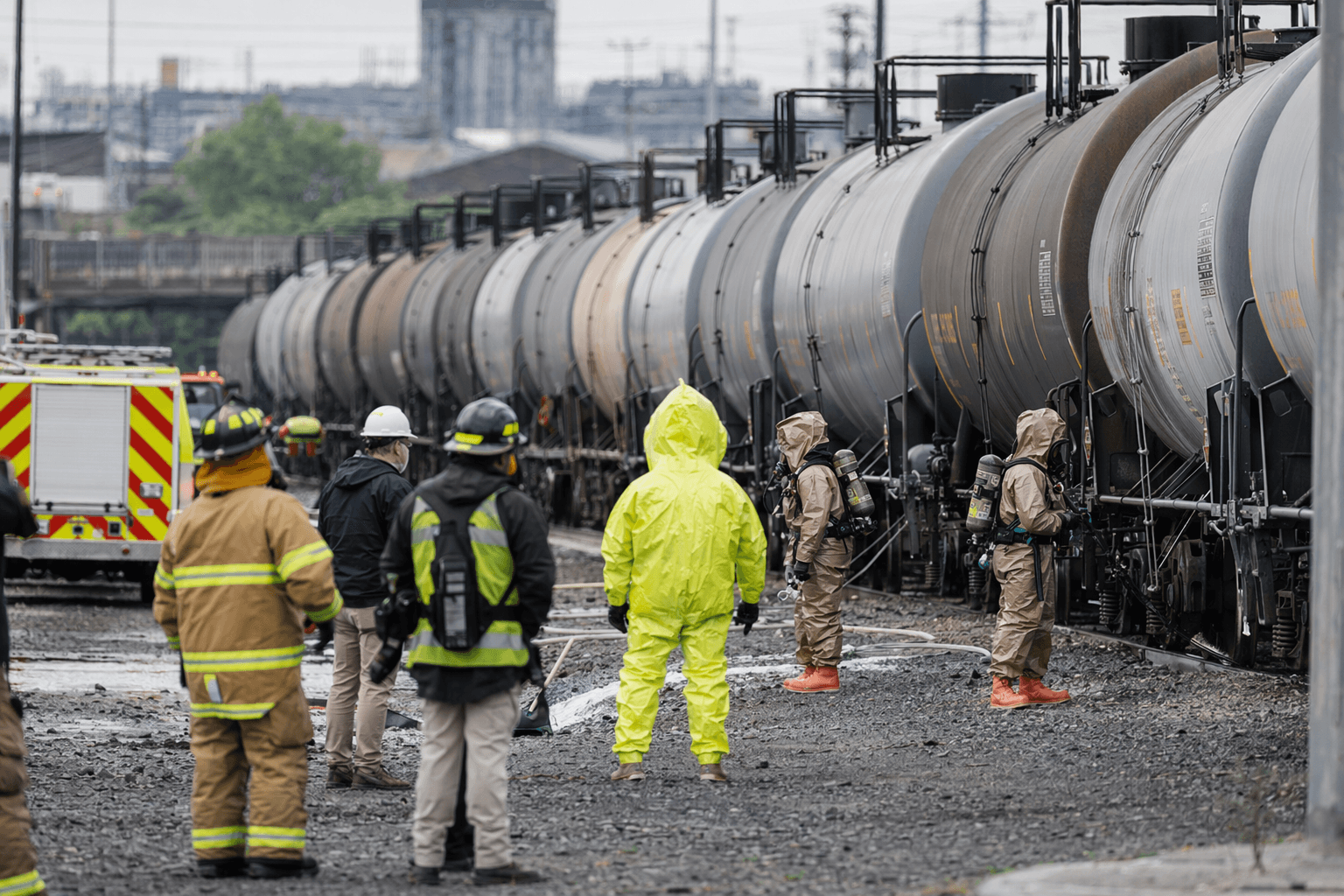
Hydrochloric acid leaking from a CSX rail car in South Baltimore triggered a hazmat response Tuesday afternoon, but Baltimore City Fire said the spill stayed inside the rail yard at the 800 block of Chesapeake Avenue and 9th Street and never threatened nearby homes or businesses.
Crews were called just before 3:30 p.m. on May 5 after CSX reported the leak. Firefighters and HAZMAT units moved in to identify the source and contain it, while Baltimore Police Department, Baltimore Gas and Electric, the Baltimore City Office of Emergency Management and the Baltimore City Department of Public Works were brought in to support the response. No injuries were reported.
For residents and businesses in Curtis Bay, the most important detail was that the acid did not escape the rail property. Baltimore City Fire said the leak was contained within the rail yard, and officials said there was no threat to the surrounding community. That is the critical public-safety measure for a corridor where rail traffic, freight infrastructure and industrial facilities sit close to neighborhoods, roadways and utilities.
The scene also underscored how quickly a chemical leak can turn into a broad emergency operation in South Baltimore. Responders had to account for the possibility of air exposure, runoff, access to the site and whether nearby infrastructure could be affected if the leak spread. Even when there is no fire and no evacuation, a hazardous-materials call can require coordination across city agencies to keep a release from becoming a larger industrial incident.

The Chesapeake Avenue and 9th Street facility has seen similar disruptions before. A CSX locomotive collision at the same site caused a diesel fuel spill in May 2023, and another CSX collision in Curtis Bay in May 2024 injured two crew members and derailed four railcars and a locomotive. In each case, officials said the danger did not extend beyond the immediate rail area.
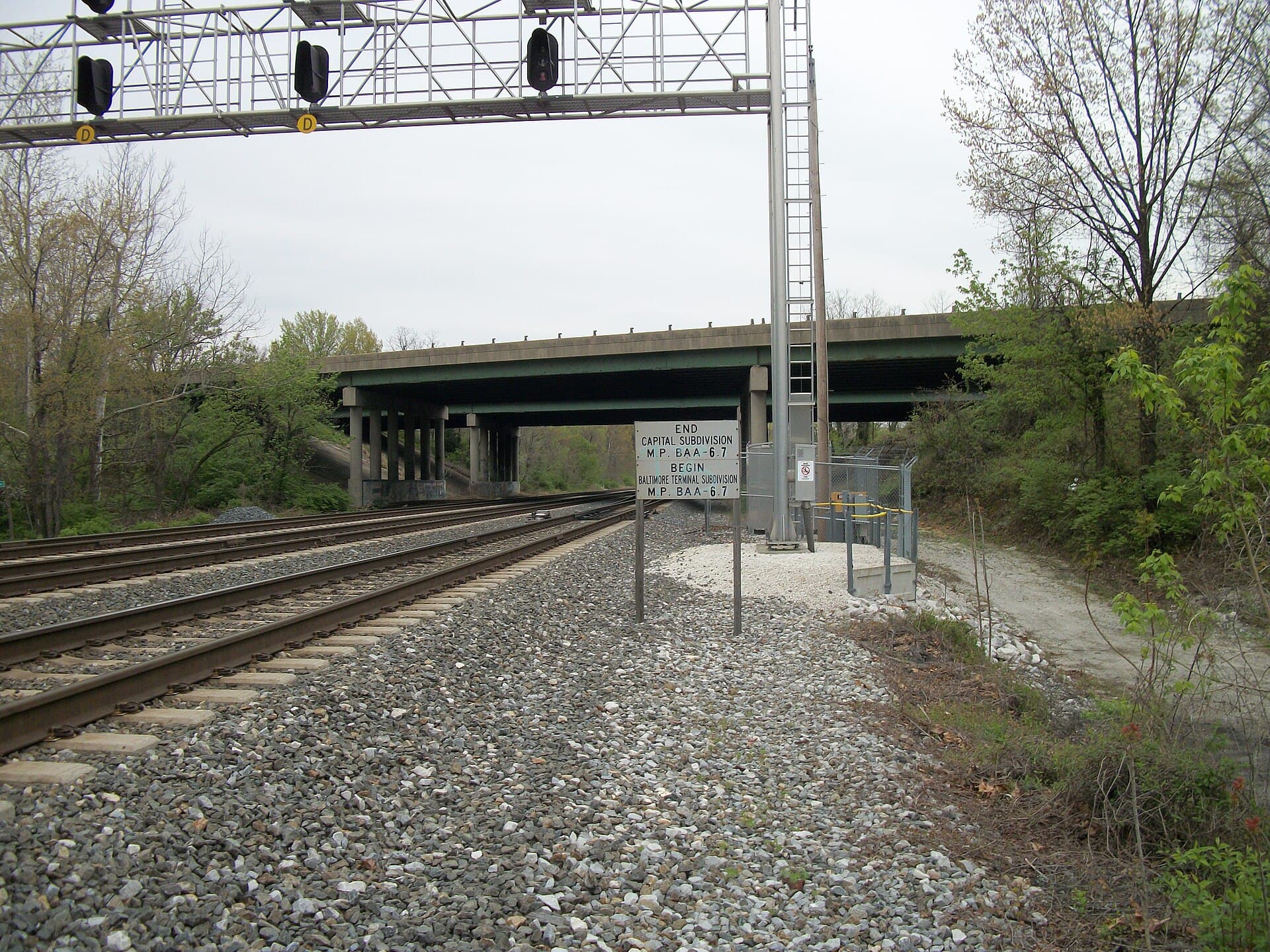
City emergency guidance says major chemical accidents can happen on railroad tracks and may not always be visible or produce an unusual smell, which helps explain why even a contained acid leak drew such a broad response. For South Baltimore, Tuesday’s incident ended with the most important outcome intact: the spill was stopped in the yard, and the neighborhood remained protected.
This article was produced by Prism’s automated news system from verified source data, official records, and press releases, then run through automated quality and moderation checks before publishing. The system is built and supervised by the people who set the standards it runs under. Read our full AI policy.
Did this article answer your question?