Baltimore City gets $1.2 million for violence reduction efforts
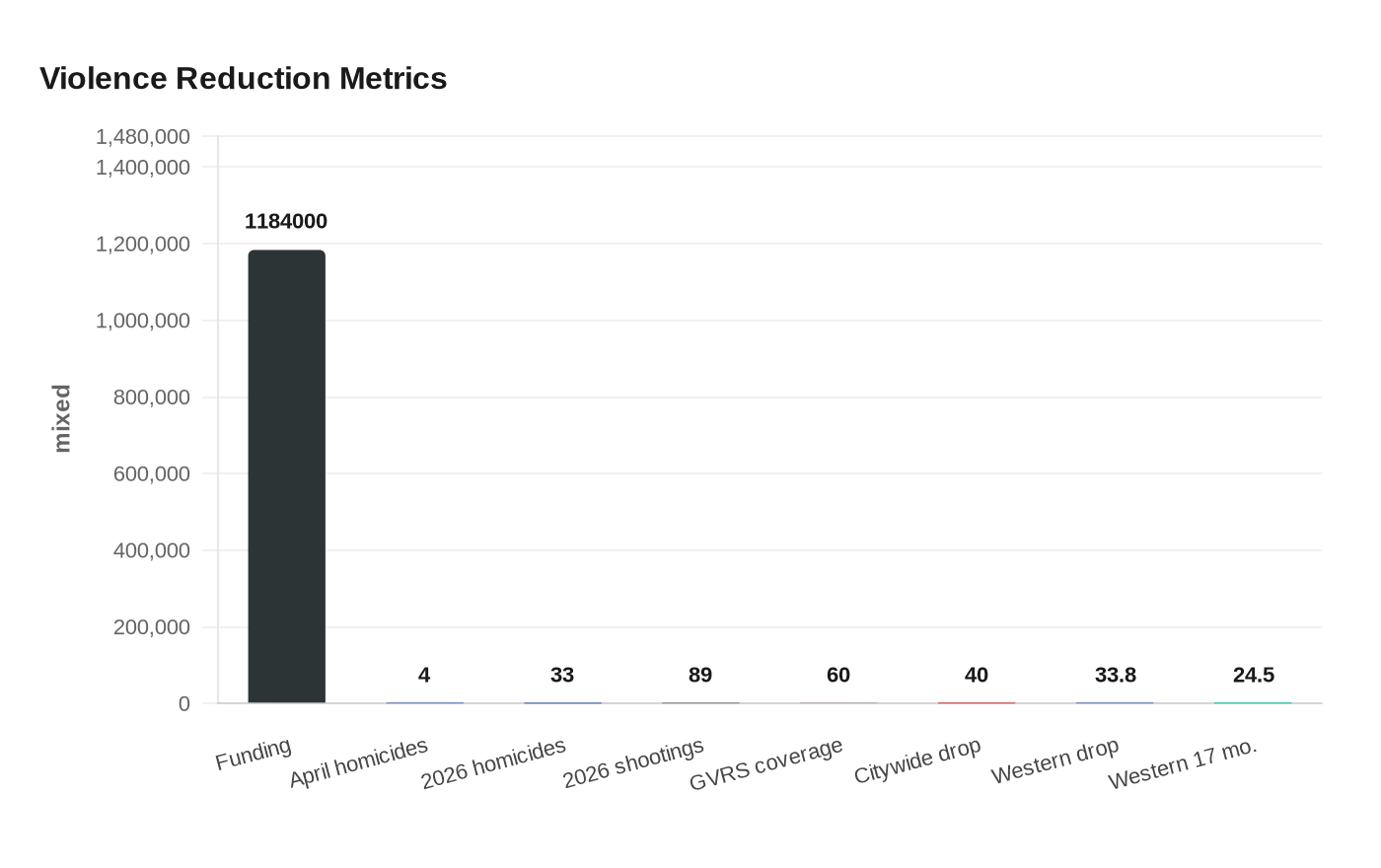
Baltimore gained $1.184 million to expand GVRS as April homicides fell to four, a low not seen since at least 1970.
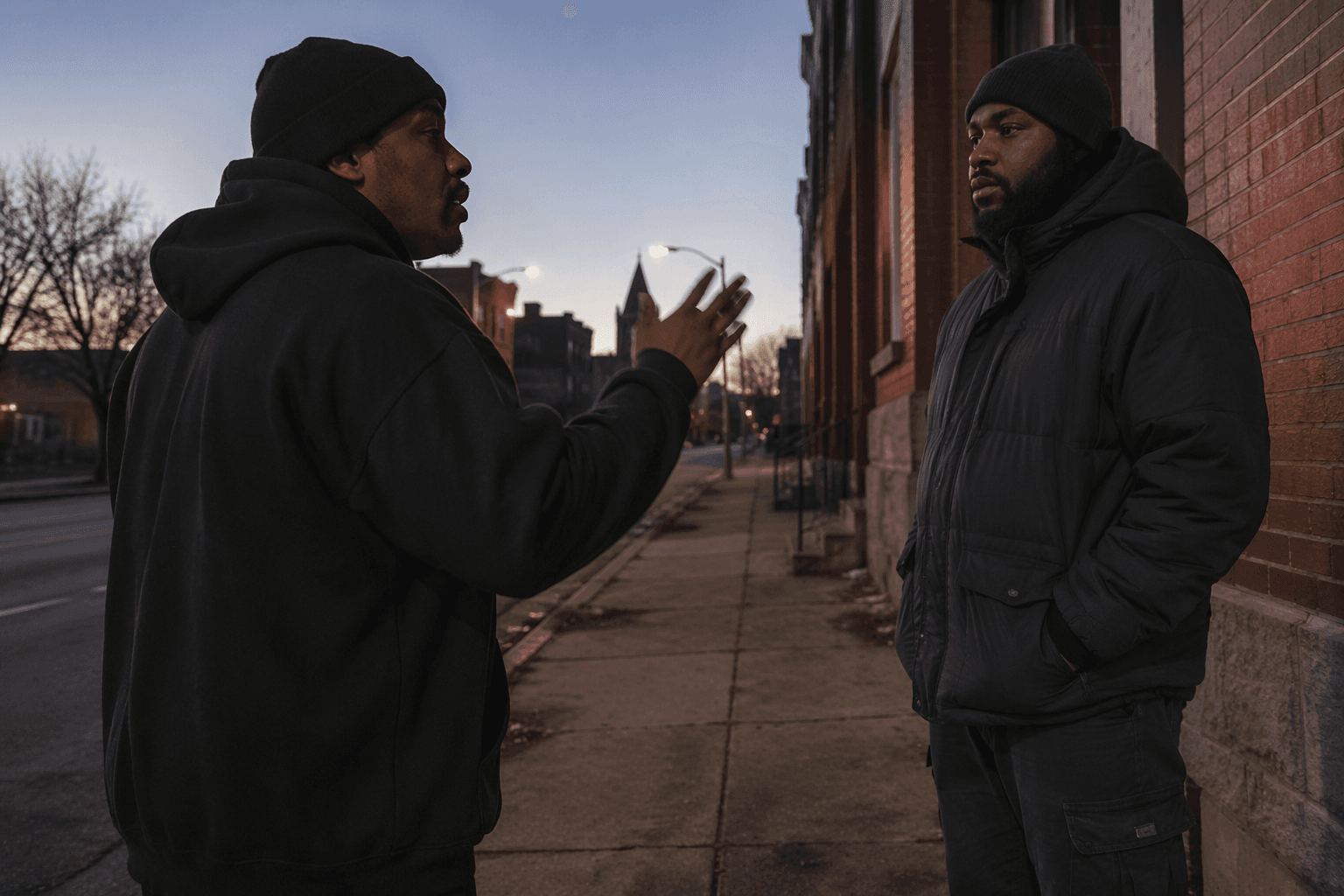
Baltimore City is getting $1,184,000 in federal support to expand its violence-reduction work, with the money tied directly to the city’s Group Violence Reduction Strategy and announced in Park Heights. The award, secured by Kweisi Mfume, Chris Van Hollen, Johnny Olszewski and Angela Alsobrooks, lands as city leaders point to falling homicides as evidence that Baltimore’s public-safety plan is producing results.
The funding is meant to strengthen the strategy already operating in six police districts, including the Northern District, which was added on April 17. With that rollout, GVRS now covers about 60% of Baltimore’s population. City officials say the model uses focused deterrence, pairing law enforcement with social services and community moral voice to reach people most connected to violence before retaliation turns into another shooting.
That matters because the city has numbers to defend the approach. Baltimore recorded four homicides in April 2026, the lowest monthly total since at least 1970, and the mayor’s office said that through May 1 the city had logged 33 homicides and 89 non-fatal shootings this year. City leaders have also said the first six months of 2025 produced the fewest homicides in Baltimore’s recorded history, while the broader violence-prevention plan has cut homicides by more than 40% since 2021.
The clearest local test case remains the Western District, where GVRS began as a pilot in January 2022. By the end of that year, city data showed the district had a 33.8% year-over-year drop in both non-fatal shootings and homicides. Over the first 17 months after implementation, homicides and non-fatal shootings in the Western District were down a combined 24.5% compared with a similar pre-implementation period.
Officials say the new money should help sustain the staffing, outreach and service network behind the program, not just the enforcement side. That includes coordination among the Mayor’s Office of Neighborhood Safety and Engagement, the Baltimore Police Department, the Baltimore City State’s Attorney’s Office, Roca, Youth Advocate Programs and community partners who deliver the moral voice component of the strategy.
For Baltimore taxpayers, the question now is whether the federal dollars deepen a model that has already shown measurable gains in the Western District and across the city, or simply add another layer to a system that still has to prove it can keep neighborhoods safer over time. The next benchmarks are plain: whether the Northern District repeats the earlier reductions, whether citywide homicides and non-fatal shootings keep falling, and whether the city can hold onto the historic gains it has claimed since 2021.
This article was produced by Prism’s automated news system from verified source data, official records, and press releases, then run through automated quality and moderation checks before publishing. The system is built and supervised by the people who set the standards it runs under. Read our full AI policy.
Did this article answer your question?