Baltimore bands turn live music into a shared community experience
At McCulloh Homes in West Baltimore, two bands showed how live music can double as community care, lifting local talent, audiences, and neighborhood connection.

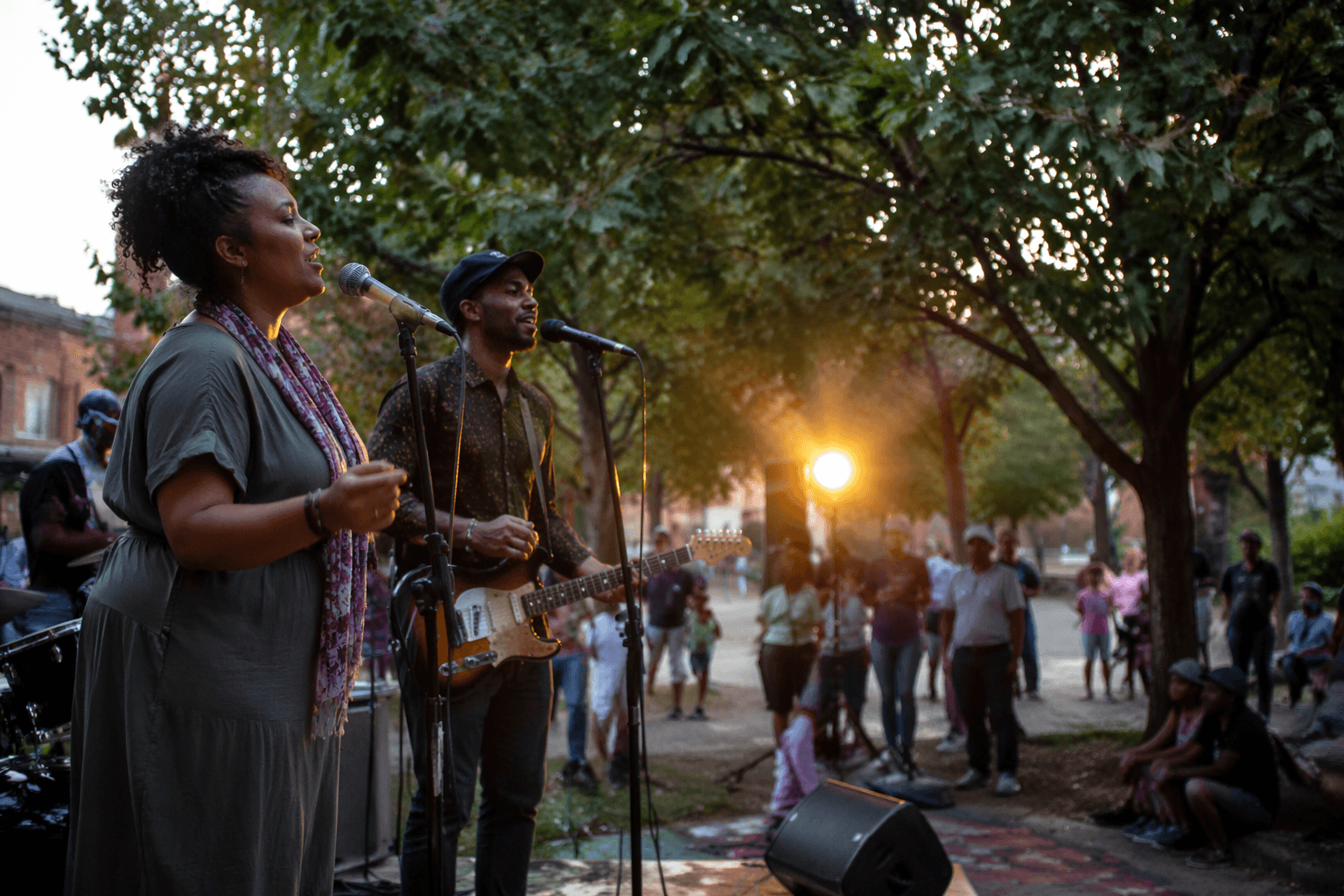
Baltimore’s most meaningful live music moments are not always the biggest ones. In West Baltimore, a Black Music Month feature put the spotlight on two acts, Rufus Roundtree & Da B’More Brass Factory and The Vibe Collective, that treat a show as a shared civic space rather than a performance set apart from the crowd. Set inside McCulloh Homes Wellness Center, the event showed how music can help hold a neighborhood together when formal systems fall short.
Music as neighborhood infrastructure
The setting matters as much as the sound. McCulloh Homes is a public housing community with 552 affordable housing units at 570 West Preston Street, and that makes a live music event there feel less like a night out and more like an act of neighborhood engagement. In a city where families often have to choose between paying bills, keeping kids busy, and finding safe places to gather, a room full of brass, rhythm, and call-and-response can function as a rare low-cost public good.
That is why the story resonated beyond entertainment. A performance at a wellness center in a family community does more than fill time. It offers relief, social connection, and a place where people can be together without needing to spend much or travel far. In a city still wrestling with uneven access to arts funding and youth programming, those moments can help fill gaps that schools, recreation centers, and public agencies do not always cover.
Two bands, one communal model
WMAR’s feature centered on the idea that these bands do not just play for audiences, they pull people into the performance. Rufus Roundtree said the force of his band comes from bringing top local talent together into one sound, while The Vibe Collective’s Jeff Mitchell described music as a way for people to set their problems aside for a while and simply enjoy the moment. That difference in language matters less than the shared result: both groups build participation, not distance.
Rufus Roundtree & Da B’More Brass Factory has been active since at least 2007, and its sound reflects the city’s layered musical identity. Visit Baltimore describes the group as infusing New Orleans brass-band energy with a hometown contemporary flair, and event listings place the band at the intersection of New Orleans jazz, Baltimore club, house, funk, neo-soul, hip-hop, and other influences. That mix is not accidental. It is Baltimore music as a living ecosystem, built from the styles people already know from block parties, church events, neighborhood festivals, and community centers.
Why the city keeps coming back to live music
The band’s local reputation also tells a larger story about civic identity. Baltimore Crown Awards named Rufus Roundtree & Da B’More Brass Factory Band of the Year in 2015, and listings say the group drew attention during the 2015 Baltimore uprising by calling for harmony and peace through music. That history shows why the band is more than a party act. It has been used, and has used itself, as a platform for collective release and public meaning.
That kind of role is especially important in neighborhoods where young people need places to be seen before they are asked to compete for scarce opportunities. Mitchell’s point about creating spaces where singers and musicians can exercise their talents and show what they can do for the world speaks directly to that need. When local bands and local venues create those openings, they are not just entertaining residents. They are building pathways for confidence, mentorship, and belonging.
For Baltimore, the stakes are practical. Live music spaces can draw neighbors who might not otherwise cross paths, and they can make a block feel active rather than abandoned. They can support informal community safety by keeping people present and engaged. They can also give younger residents a first encounter with the arts that feels accessible instead of elite. When those spaces disappear, the loss is not only cultural. It is social.
What Baltimore stands to lose, or gain, from keeping the spaces open
The city’s challenge is not whether it has talented bands. It does. The question is whether there are enough places where those bands can do the broader work of connecting people. Community-rooted venues, school-adjacent wellness spaces, housing communities, and open-air neighborhood events all matter because they let local artists serve audiences who may not make it to larger ticketed rooms.
Rufus Roundtree & Da B’More Brass Factory remains active in 2026, including a Juneteenth-themed performance from 6 p.m. to 9 p.m. that turned a parking lot into an open-air market. That kind of booking is a reminder that Baltimore still has demand for music that meets people where they are. It also suggests that the band’s community-centered model is not nostalgic. It is current, useful, and still in circulation.
The deeper lesson of the Black Music Month feature is that Baltimore’s live music pulse depends on relationships as much as repertoire. The city gains when musicians, audiences, and neighborhood spaces feed one another. It loses when those spaces vanish and the music is cut loose from the communities that give it purpose.
This article was produced by Prism’s automated news system from verified source data, official records, and press releases, then run through automated quality and moderation checks before publishing. The system is built and supervised by the people who set the standards it runs under. Read our full AI policy.
Did this article answer your question?


