Baltimore bill to ban private detention centers advances out of committee
Baltimore moved closer to a zoning ban that would block private detention centers from opening in the city, tightening local control over what can be built here.
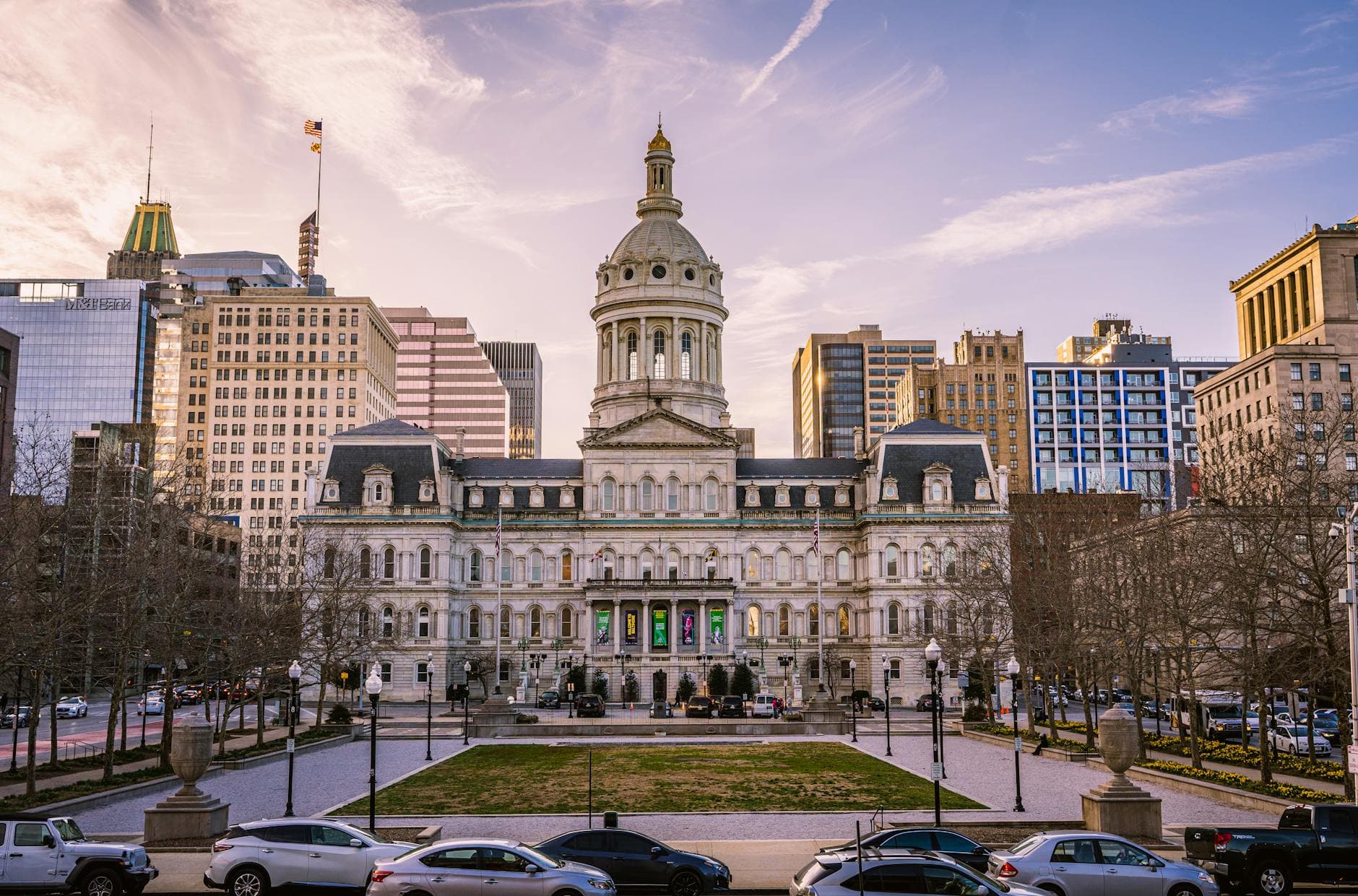
Baltimore moved one step closer to keeping private detention centers out of city limits, advancing a bill that would add those facilities to the zoning code’s prohibited uses list and make them an illegal land use in the city. The measure, introduced by City Council President Zeke Cohen in early March, went before the Baltimore City Council Land Use and Transportation Committee and moved forward unanimously after a public hearing at City Hall.
The practical effect is straightforward: Baltimore is not trying to shut down a private detention center already operating on a city block, it is trying to make sure one cannot be opened here in the future. If the bill passes, the city’s list of prohibited uses would grow from seven items to eight. Cohen has said the ordinance is meant to stop nonfederal buildings from being used as private prisons or detention centers, while leaving federal property, including the George H. Fallon Federal Building downtown, outside the city’s zoning reach.
Thursday’s hearing drew dozens of supporters, and no one signed up to oppose the bill, according to the committee discussion. Councilwoman Odette Ramos backed the measure on personal grounds, saying members of her community should not be separated from their families. Councilman Mark Parker said the private prison model creates a profit motive to incarcerate more people, underscoring the broader concern driving the proposal: Baltimore lawmakers want to block a business model they see as tied to expanded detention rather than public safety.
The city Law Department has also said a newly enacted state law does not stop Baltimore from proceeding with its own ordinance, giving the council room to act even as state and federal detention policy keeps shifting. That matters in a city where land-use rules are more than paperwork. Once a use is prohibited in the zoning code, it can shape what gets built, financed, or denied on parcels across Baltimore, from industrial sites to institutional properties.
Baltimore’s push fits into a wider Maryland response to immigration detention. On March 9, state lawmakers made an unannounced visit to ICE facilities in Baltimore, including the George H. Fallon Federal Building, and said the holding rooms there were empty after weeks of scrutiny. One report said more than 200 detainees had been moved from the building. Howard County then passed emergency legislation in seven days to block private immigration detention centers, and Gov. Wes Moore sent a warning letter to DHS Secretary Kristi Noem about ICE action in Maryland.
Mayor Brandon Scott has already restricted ICE from using city-owned buildings or entering government offices without a judicial warrant, and Baltimore police are barred from asking about immigration status during routine encounters or detaining residents based on that status. The council bill would extend that local posture into zoning, making Baltimore’s land-use code the next line in the city’s response.
This article was produced by Prism’s automated news system from verified source data, official records, and press releases, then run through automated quality and moderation checks before publishing. The system is built and supervised by the people who set the standards it runs under. Read our full AI policy.
Did this article answer your question?