Baltimore Council probes dispatch failure after custody death, system overhaul planned
A medic call vanished during a Southwest Baltimore custody crisis, leaving Dontae Melton Jr. waiting nearly 45 minutes as city leaders now plan a CAD overhaul.
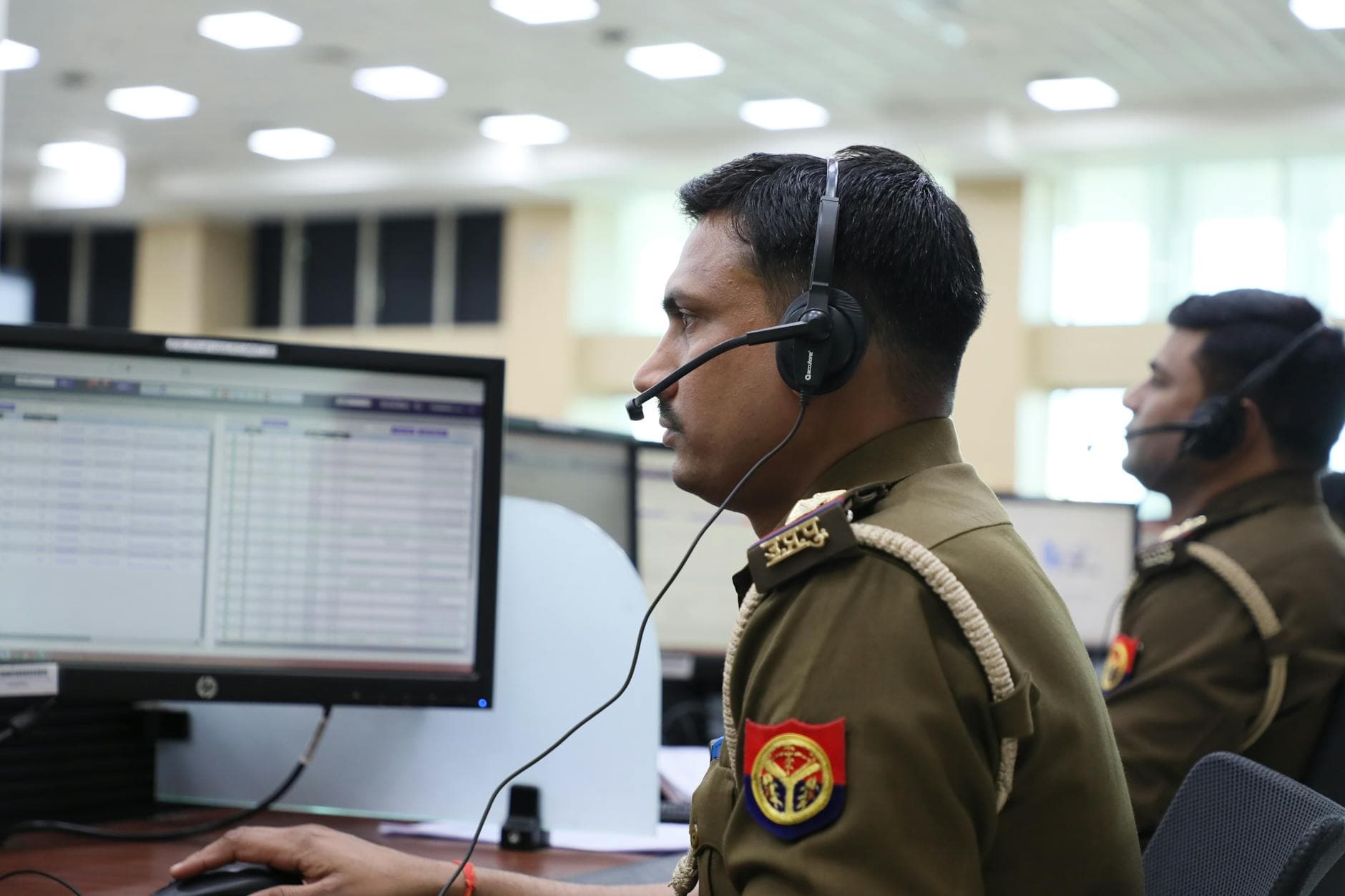
A medic call vanished during a Southwest Baltimore custody crisis, and the failure is now forcing Baltimore to confront whether its 911 backbone can be trusted in a life-or-death moment. The dispatch breakdown, tied to the death of 31-year-old Dontae Melton Jr., has pushed City Hall toward a costly overhaul of the Computer-Aided Dispatch system that links police, fire and EMS.
At a Baltimore City Council hearing on April 30, officials said the current CAD system handles about 2.1 million calls a year but is outdated and unreliable. The city has secured nearly $12 million in state and federal funding to replace it, yet there is no timeline for issuing requests for proposals, leaving the full replacement years away.
The system failure came into sharp focus during a June 24, 2025 police encounter near West Franklin Street and North Franklintown Road, when Melton experienced a mental health crisis. Officers restrained him and repeatedly asked for a medic, but dispatchers could not complete the request because the CAD system was down. Body-camera footage and dispatch audio later showed officers waiting nearly 45 minutes for an ambulance that never came, and fire officials never received the call.
Police ultimately drove Melton to Grace Medical Center, less than five minutes away, where he died a few hours later, around 3 a.m. on June 25, 2025. The Office of the Chief Medical Examiner ruled his death a homicide, deepening scrutiny of how a dispatch outage can ripple through the city’s emergency response network. Melton’s mother, Eleshiea Goode, told council members she was disappointed it took a death to force change and said she hoped no other family would have to endure the same pain.
Baltimore Police Commissioner Richard Worley said the CAD system had been going up and down that evening. When it fails completely, he said, officers revert to a manual card system, where calls are written down and carried to a dispatcher. That workaround now sounds less like a backup and more like a warning about how fragile the city’s emergency communications have become.
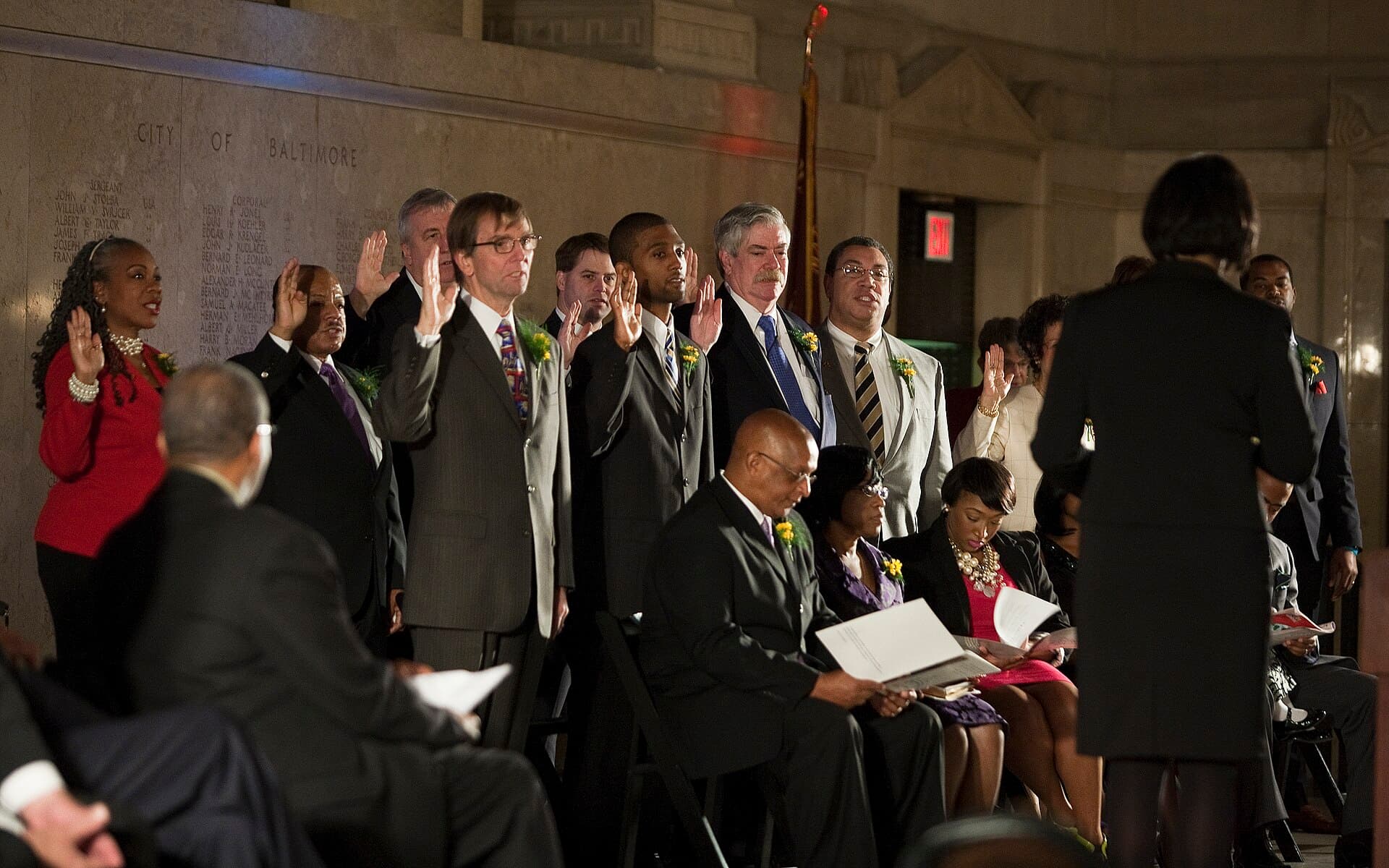
Mayor Brandon Scott said in August 2025 that the city was investigating technology failures in the CAD system connected to Melton’s death. By December, Council President Zeke Cohen said the system had failed at least six times in recent months, while Councilman Isaac “Yitzy” Schleifer said Baltimore was relying on an outdated platform with outages and glitches. Officials say the replacement system is intended to bring expanded 911 diversion, faster emergency response and stronger security and monitoring, but for Baltimore residents the urgent question remains simpler: whether help will actually get through when they call.
This article was produced by Prism’s automated news system from verified source data, official records, and press releases, then run through automated quality and moderation checks before publishing. The system is built and supervised by the people who set the standards it runs under. Read our full AI policy.
Did this article answer your question?