Most misused Clean Corps funds still unrecovered two years later
A $414,477 Clean Corps advance was spent in months, and nearly all of the roughly $129,000 city inspectors say was misused is still missing.

A $414,477.50 advance meant to help clean Baltimore neighborhoods was spent in about four months, and two years after city inspectors exposed the misuse, most of the money still has not been recovered. The case has become a test of whether Baltimore can police nonprofit contracts before taxpayer dollars disappear.
Mayor Brandon Scott rolled out Clean Corps on February 6, 2023 as a $14.6 million, ARPA-funded effort to clean 16 historically disinvested Baltimore neighborhoods and employ city residents at $15 an hour through six nonprofit partners. One of those partners, Lazarus Rite Foundation, also identified in city records as Lazarus Rite Inc., received a two-year, $1.6 million contract and the advance that later became the focus of the watchdog findings.
Baltimore City Inspector General Isabel Cumming said her office received a tip in May 2023 that workers were not being paid. In February 2024, her office found that Lazarus Rite had misused about $129,000 to $130,000 in federal relief money, spending it on salaries and operational expenses outside the contract’s scope instead of trash collection work. Christopher Ervin is identified as the founder and owner of Lazarus Rite.
After the findings, the Baltimore City Department of Planning and the Baltimore Civic Fund moved to terminate the contract and seek repayment. But the advance had already been exhausted, and the city’s effort to claw back the money stalled. Records reviewed in April 2026 showed that most of the misused funds still had not been recovered, even after the contract was ended and the nonprofit stopped operating.
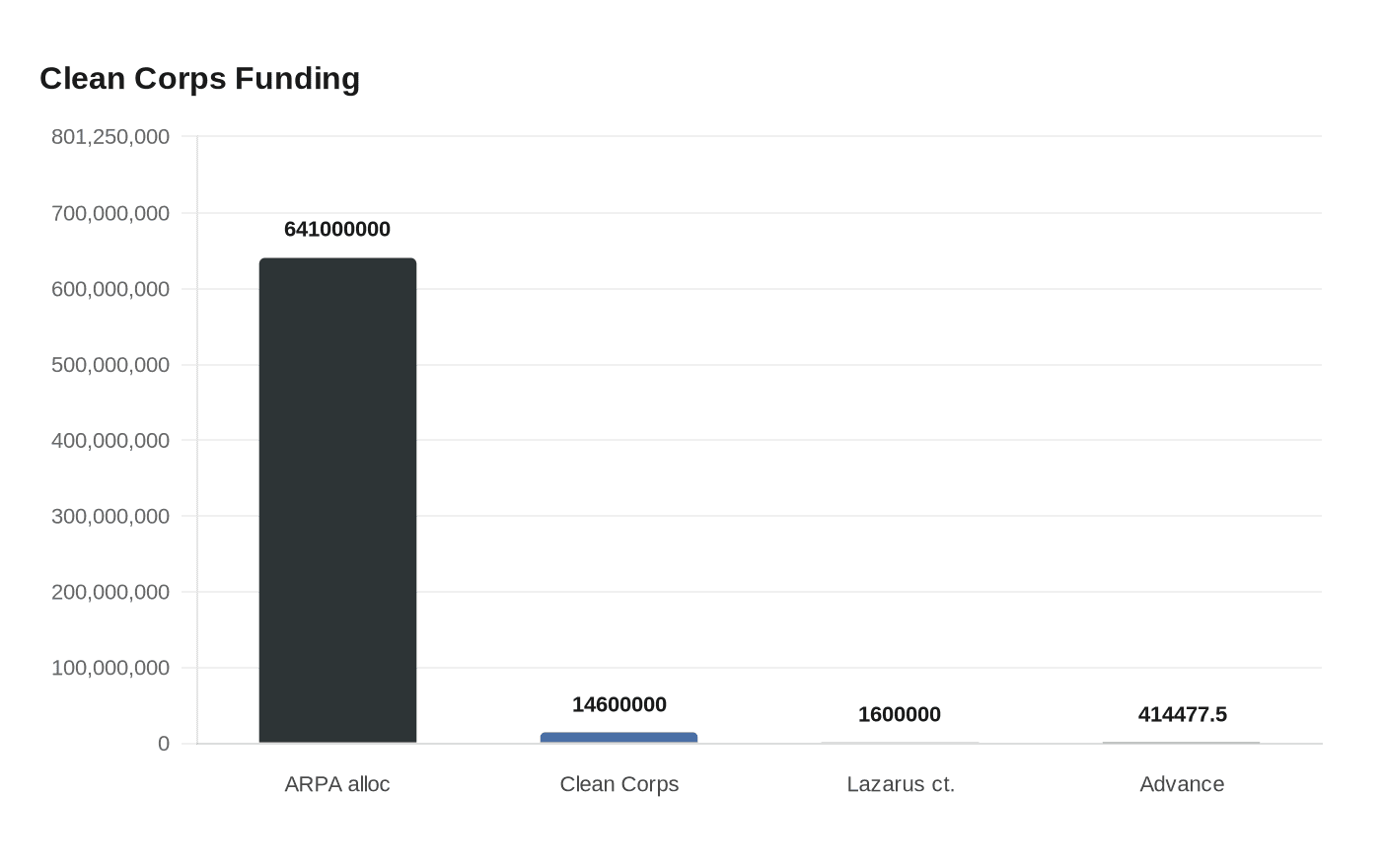
The gap raises a larger question for City Hall. Baltimore’s Mayor’s Office of Recovery Programs oversees the city’s $641 million ARPA allocation, with Shamiah Kerney serving as Chief Recovery Officer in that office. Clean Corps was supposed to show how federal recovery money could flow quickly into neighborhood cleanup and local jobs. Instead, it exposed how easily a grant can be spent down before oversight catches up, and how slowly the city can move once the misuse is documented.
For Baltimore, the lesson is not just that one nonprofit failed. It is that an advance, a contract, and a watchdog finding did not add up to recovery.
This article was produced by Prism’s automated news system from verified source data, official records, and press releases, then run through automated quality and moderation checks before publishing. The system is built and supervised by the people who set the standards it runs under. Read our full AI policy.
Did this article answer your question?