Baltimore budget review dims hopes for property tax cut
A $4.63 billion budget is squeezing a promised two-cent property tax cut, and Yitzy Schleifer is pressing officials on why it vanished.
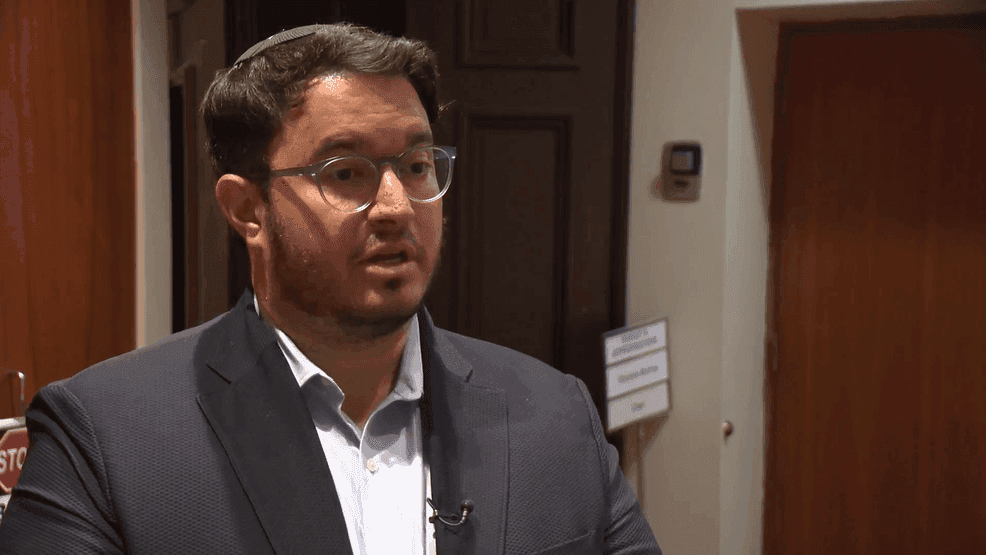
Baltimore City Council’s review of the largest budget in city history is dimming hopes for a property tax cut, after Councilman Yitzy Schleifer pressed officials on why a two-cent reduction was left out of the current plan. The stakes are clear in a city where the real property tax rate stands at $2.248 per $100 of assessed value and where homeowners are still looking for relief from a tax burden that affects mortgage escrows, rent levels and business costs.
The budget under review totals $4.63 billion, and city leaders have already said they balanced an $85 million deficit without raising property taxes. That left little room for new relief unless lawmakers can find offsetting revenue or spending cuts. The administration had said it would lean on new revenue, cost optimization and agency savings rather than increasing property or income taxes, but those same pressures are now crowding out the kind of rate cut many residents expected to see.
Mayor Brandon M. Scott tried to put property tax relief on a broader affordability track in a February 9 announcement that paired tax policy with changes to the city’s tax-sale process. The plan included raising the minimum bid at tax sale and creating payment plans with Maryland Legal Aid, an approach meant to reduce the risk that delinquent taxes push more owners toward foreclosure. Even so, the direct tax-cut promise has become more complicated, because the proposed two-cent reduction is tied to changes in the Homestead Tax Credit and the enabling legislation stalled in committee before the budget hearing.
That procedural snag matters as much as the politics. A budget vote alone will not deliver the cut if the separate legislation does not move. Council members still have to decide whether to keep the current rate in place, force a lower rate and identify what gets cut to pay for it, or leave the issue for another round of negotiation. For homeowners, that choice will shape next year’s tax bills. For renters and businesses, it will also shape how much of the city’s tax load continues to show up in housing costs, leases and operating expenses.
The broader fiscal picture helps explain why the debate has turned so sharp. Baltimore’s Bureau of Budget and Management Research has warned in past analysis that large-scale tax reduction plans would require major long-term population gains to stay revenue-neutral. That makes the current fight about more than one line in one budget. It is a test of whether Baltimore can deliver the relief it promised without giving up the revenue it says it needs to keep the city running.
This article was produced by Prism’s automated news system from verified source data, official records, and press releases, then run through automated quality and moderation checks before publishing. The system is built and supervised by the people who set the standards it runs under. Read our full AI policy.
Know something we missed? Have a correction or additional information?
Submit a Tip