Baltimore homicide rate falls to lowest level in nearly 50 years
Baltimore logged 133 homicides in 2025 and 40 through May 2026, with officials tying the drop to focused deterrence and neighborhood violence-prevention work.
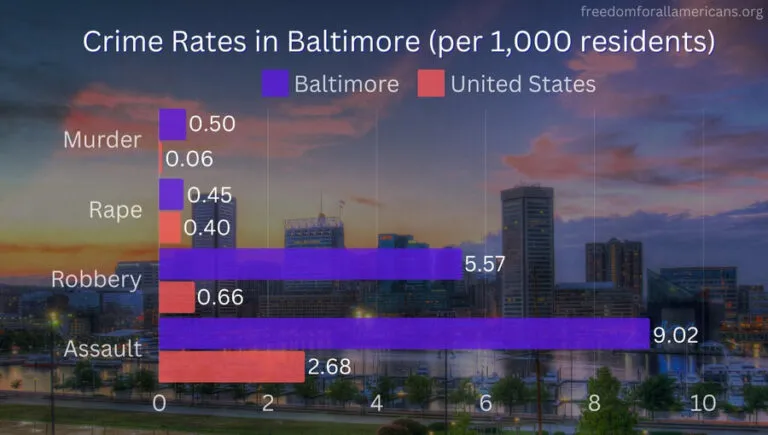
Baltimore reported 133 homicides in 2025, the fewest in nearly 50 years, and the decline has continued into 2026 with 40 homicides and 120 nonfatal shootings through May, compared with 52 homicides and 121 nonfatal shootings in the same stretch a year earlier. April 2026 brought the fewest homicides for any single month since at least 1970, but the narrow difference in nonfatal shootings shows how much of the progress still depends on keeping the numbers moving in the right direction.
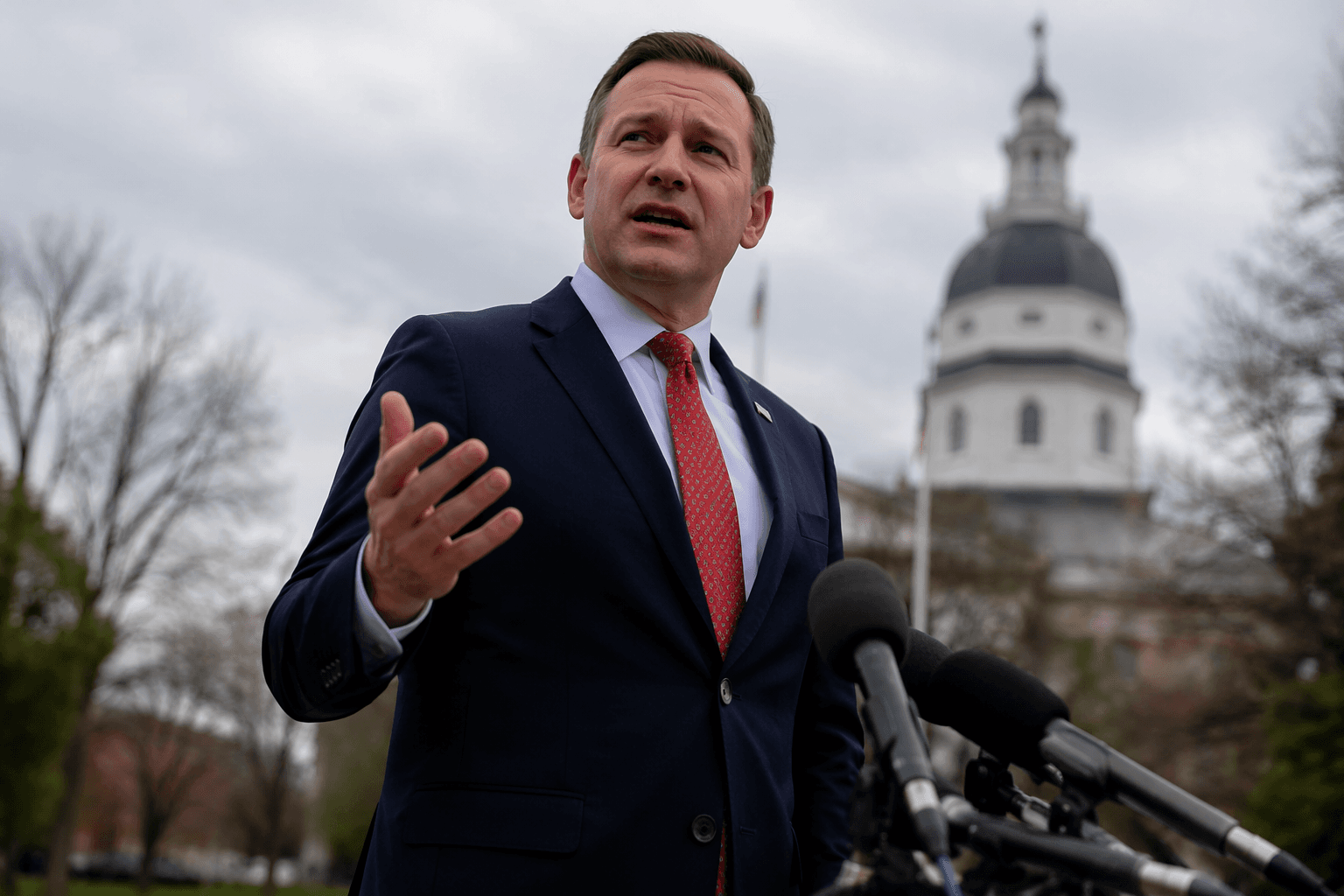
The city says the drop is now well past the goal in its Comprehensive Violence Prevention Plan, which called for a 15 percent annual reduction in gun violence. Over the past five years, Baltimore says homicides are down 58.69 percent and nonfatal shootings are down 57.33 percent. Gov. Wes Moore said the city’s homicide rate had fallen 58 percent, the lowest level since Maryland began keeping records in 1975.
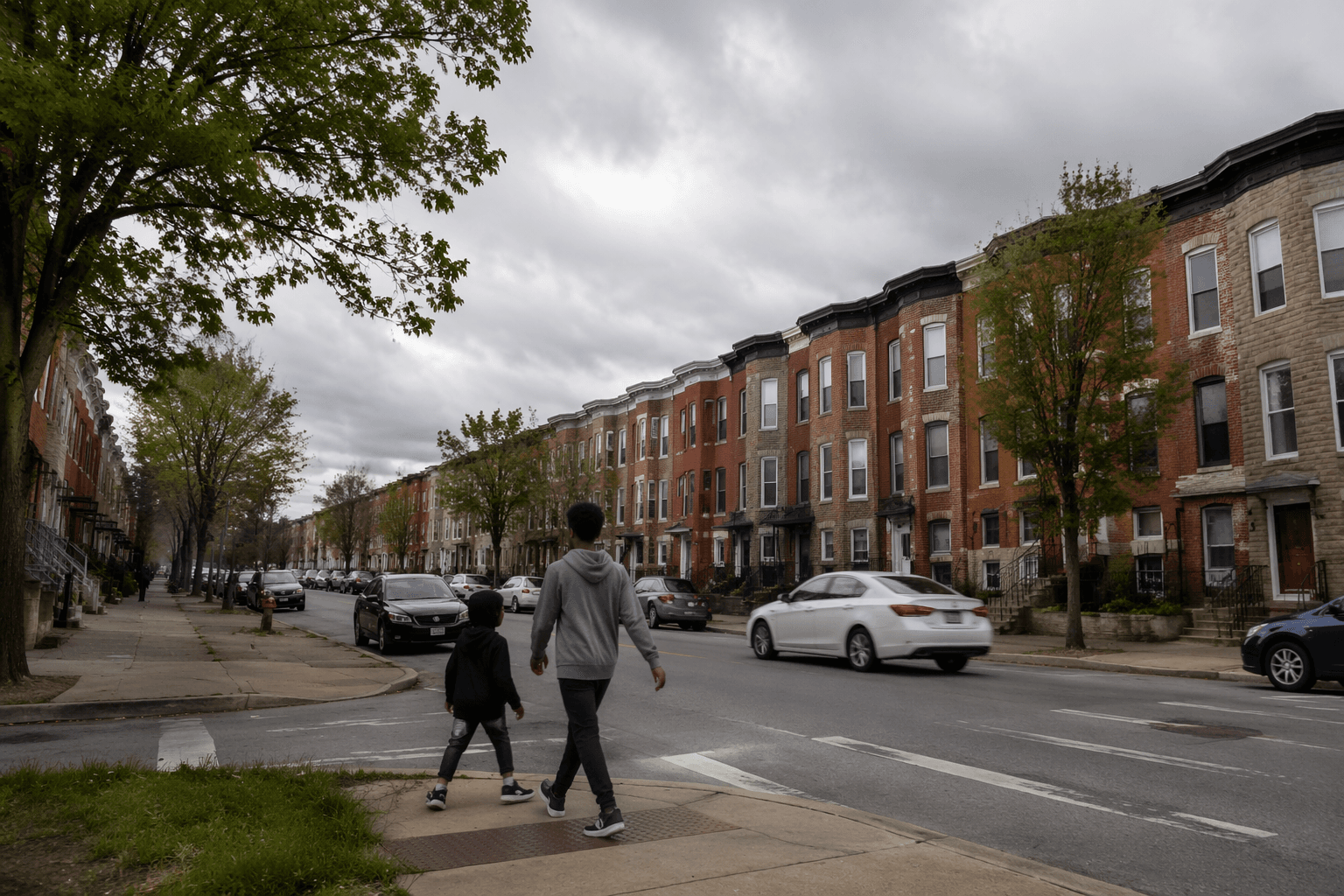
Officials and researchers point to the same central strategy: concentrated intervention aimed at the people and places driving the most gun violence. Baltimore’s Group Violence Reduction Strategy focuses police and social-service resources on a small set of people identified as involved in group-related shootings, and a June 2026 National Bureau of Economic Research paper said the city’s homicide rate fell by roughly 60 percent between 2022 and 2025. That paper said shootings and homicides were reduced by about one-third through the focused deterrence approach.
City officials also cited a June 3 study finding Baltimore’s homicide rate ran about 25 percent below similar cities with comparable prior trends, with the social value of violence averted roughly 35 times the program’s first-year spending. A May 2026 Johns Hopkins study found Safe Streets Baltimore was associated with a 42 percent reduction in homicides involving residents ages 15 to 24 and a 21 percent reduction in youth nonfatal shootings at the neighborhood level, putting some of the strongest gains in the neighborhoods where outreach workers and interrupters are active.
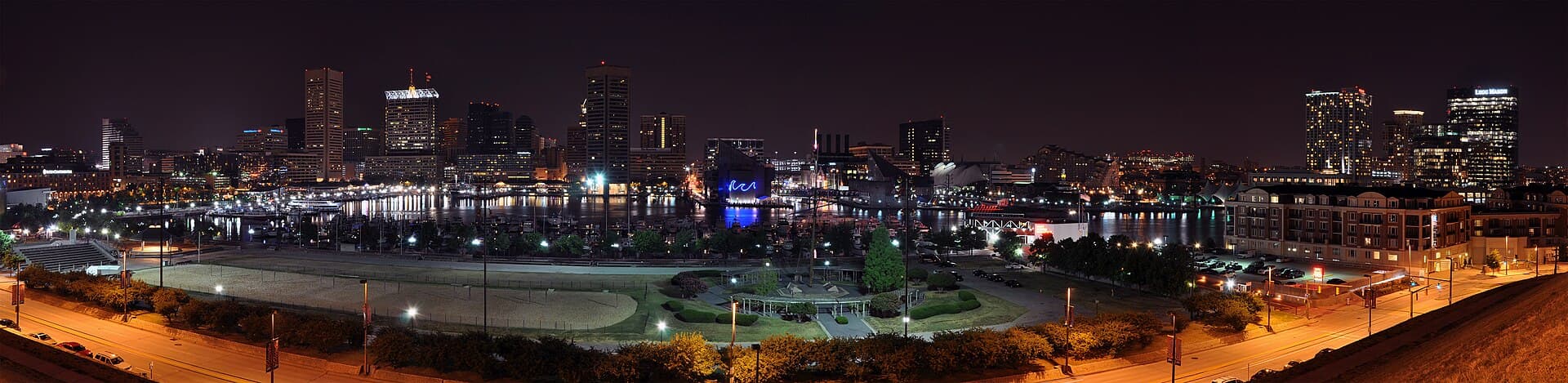
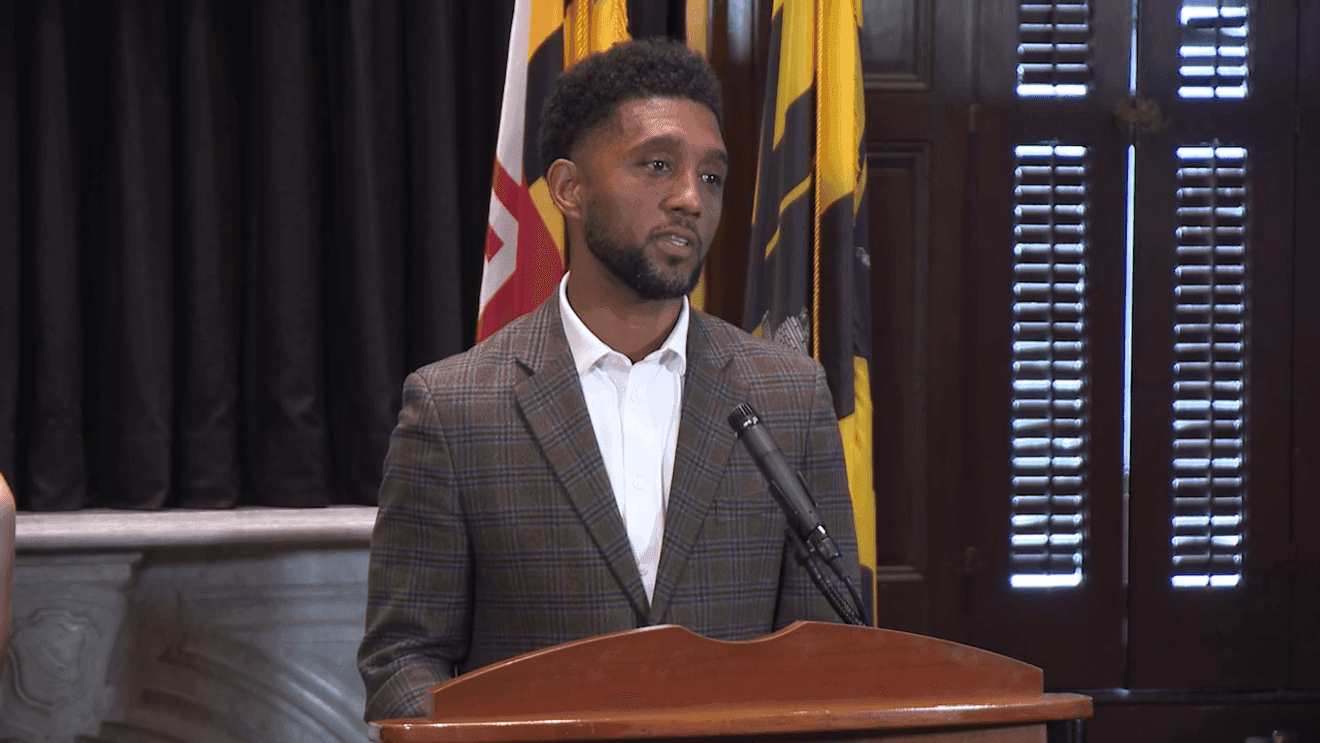
Baltimore Police Department officers seized 2,480 firearms and 264 ghost guns in 2025, a reminder that the city is still taking large numbers of weapons off the street even as violence falls. Brandon M. Scott has described the progress as the product of a citywide violence-prevention ecosystem, and Johns Hopkins president Ron Daniels has praised the results. The Baltimore Ravens recently added $1 million to support anti-violence work, as city leaders try to hold onto gains that are historic, but still fragile.
This article was produced by Prism’s automated news system from verified source data, official records, and press releases, then run through automated quality and moderation checks before publishing. The system is built and supervised by the people who set the standards it runs under. Read our full AI policy.
Know something we missed? Have a correction or additional information?
Submit a Tip