Scott signs sweeping Baltimore tax and development overhaul
Vacant buildings will face triple and then quadruple taxes, while Baltimore pauses new data centers and bans private detention centers.
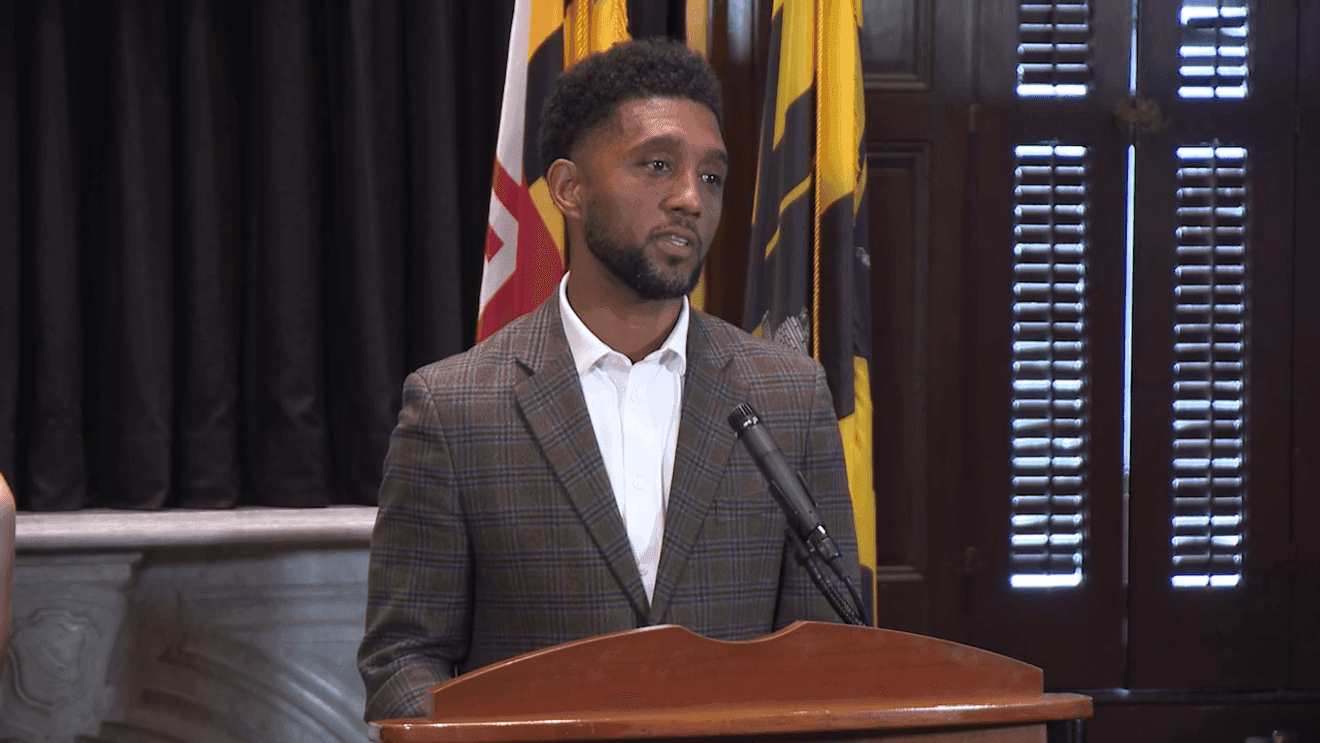
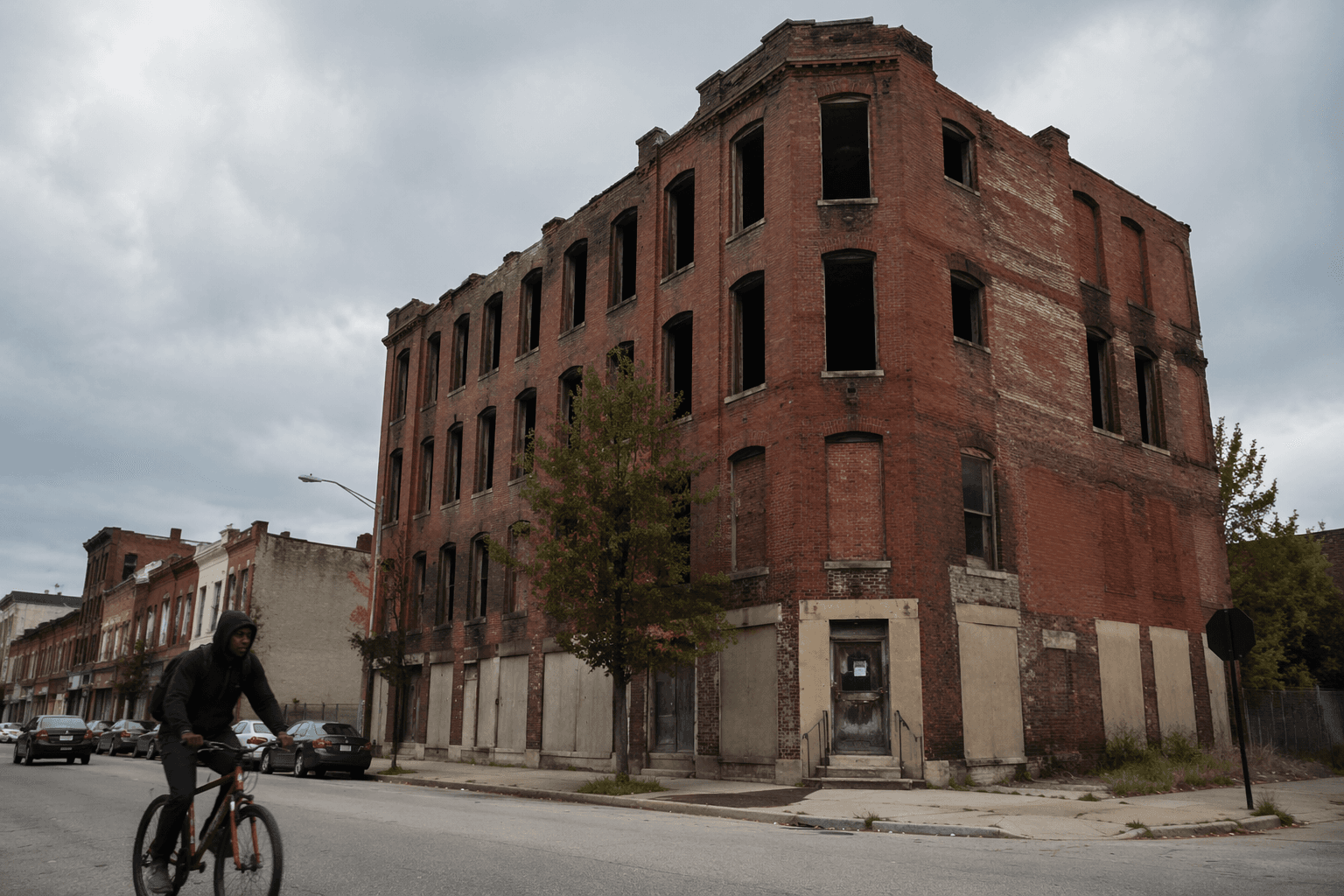
Mayor Brandon Scott signed a 29-bill package that reaches from Baltimore’s tax rolls to the kinds of development the city will allow on its land. The biggest immediate pressure falls on owners of vacant and abandoned buildings, who will face a far steeper property-tax bill if they keep structures empty instead of repairing or selling them into use.
Under the city’s vacant-structure code, properties classified as vacant are taxed at three times the full rate in the first full tax year and four times the full rate in later years. The first tax year eligible for that higher rate may run from July 1, 2026 through June 30, 2027. Baltimore’s fiscal 2026 real property tax rate is $2.248 per $100 of assessed value, so the new structure gives the city a much sharper tool against long-term vacancy on blocks that have carried the burden of blight for years.
The package also locks in the homeowner tax cuts Scott has been previewing since his February 9 property-tax affordability announcement. City officials say homeowners will get an initial 1-penny reduction on July 1, 2026, followed by another 4 pennies the next July, bringing the rate to $1.99. The broader plan calls for continued 1-cent cuts each year through fiscal 2035, a slow unwind of the current tax load on owner-occupants. Baltimore also opened enrollment for its first-ever residential property tax payment plan on April 28, giving some residents a new way to manage overdue bills while the tax structure shifts.
Development rules are changing too. The measure imposes a one-year moratorium on new data centers, a move aimed at giving Baltimore time to study the power-hungry facilities before settling longer-term rules. The bill applies to proposed sites using 10 megawatts or more and directs the Department of Planning to conduct a comprehensive impact study. That pause matters most in neighborhoods likely to host large utility loads, where energy costs, land use and community pushback are already colliding.
Scott also signed off on a ban on private detention centers inside city limits. Introduced by Council President Zeke Cohen and advanced in the spring, the measure defines those facilities as prohibited zoning uses in Baltimore, closing the door on a category of private confinement that advocates argued should not take root in the city. Taken together, the package pushes Baltimore toward reuse of vacant property, lower homeowner taxes over time and tighter control over the kinds of facilities that can reshape neighborhoods from Park Heights to the waterfront edges where redevelopment pressure is strongest.
This article was produced by Prism’s automated news system from verified source data, official records, and press releases, then run through automated quality and moderation checks before publishing. The system is built and supervised by the people who set the standards it runs under. Read our full AI policy.
Know something we missed? Have a correction or additional information?
Submit a Tip