Baltimore caterer raises $30,000, opens first commercial kitchen
A Baltimore home caterer raised more than $30,000 in 48 hours after a licensing scare, then moved into La Chow’s first commercial kitchen.
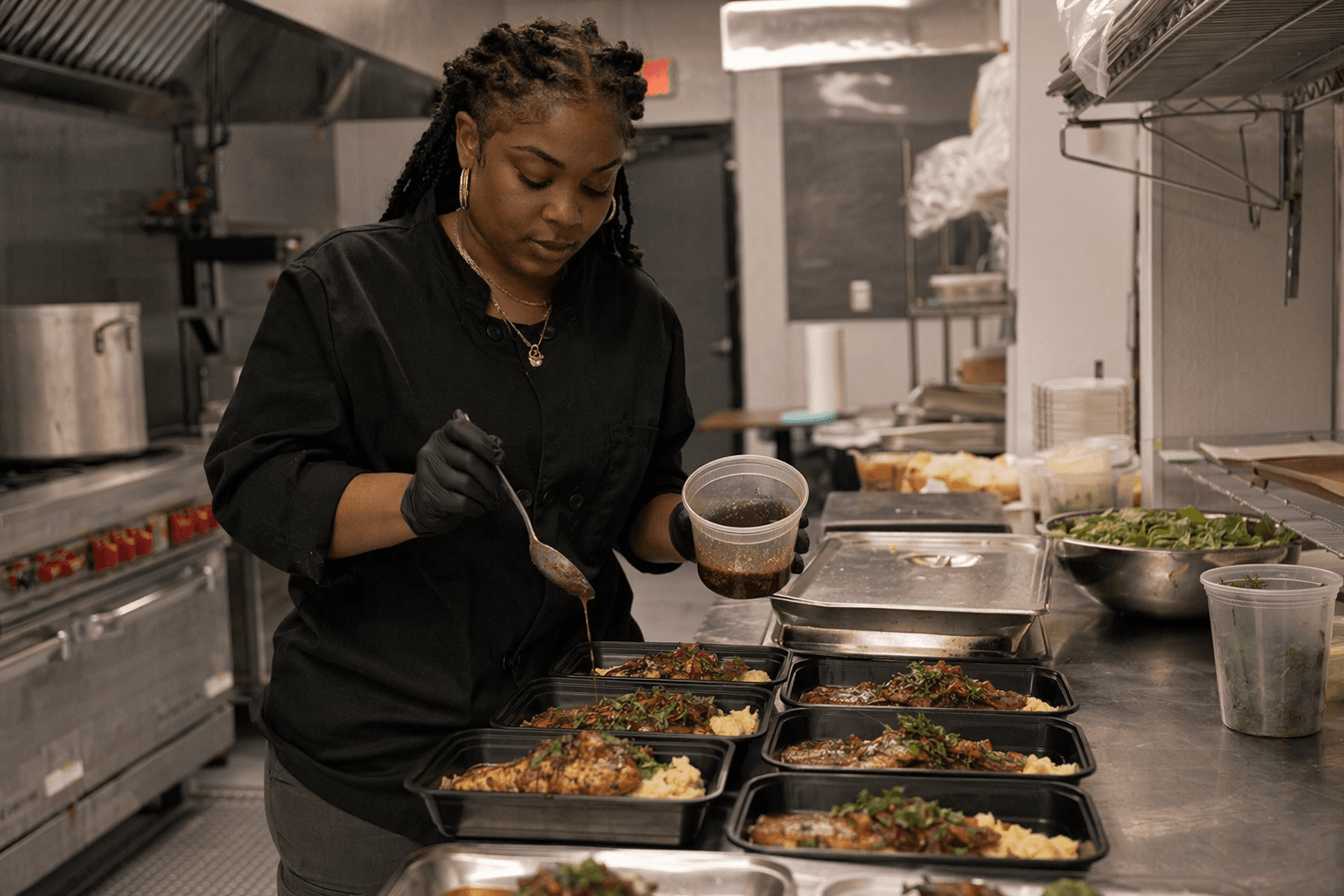
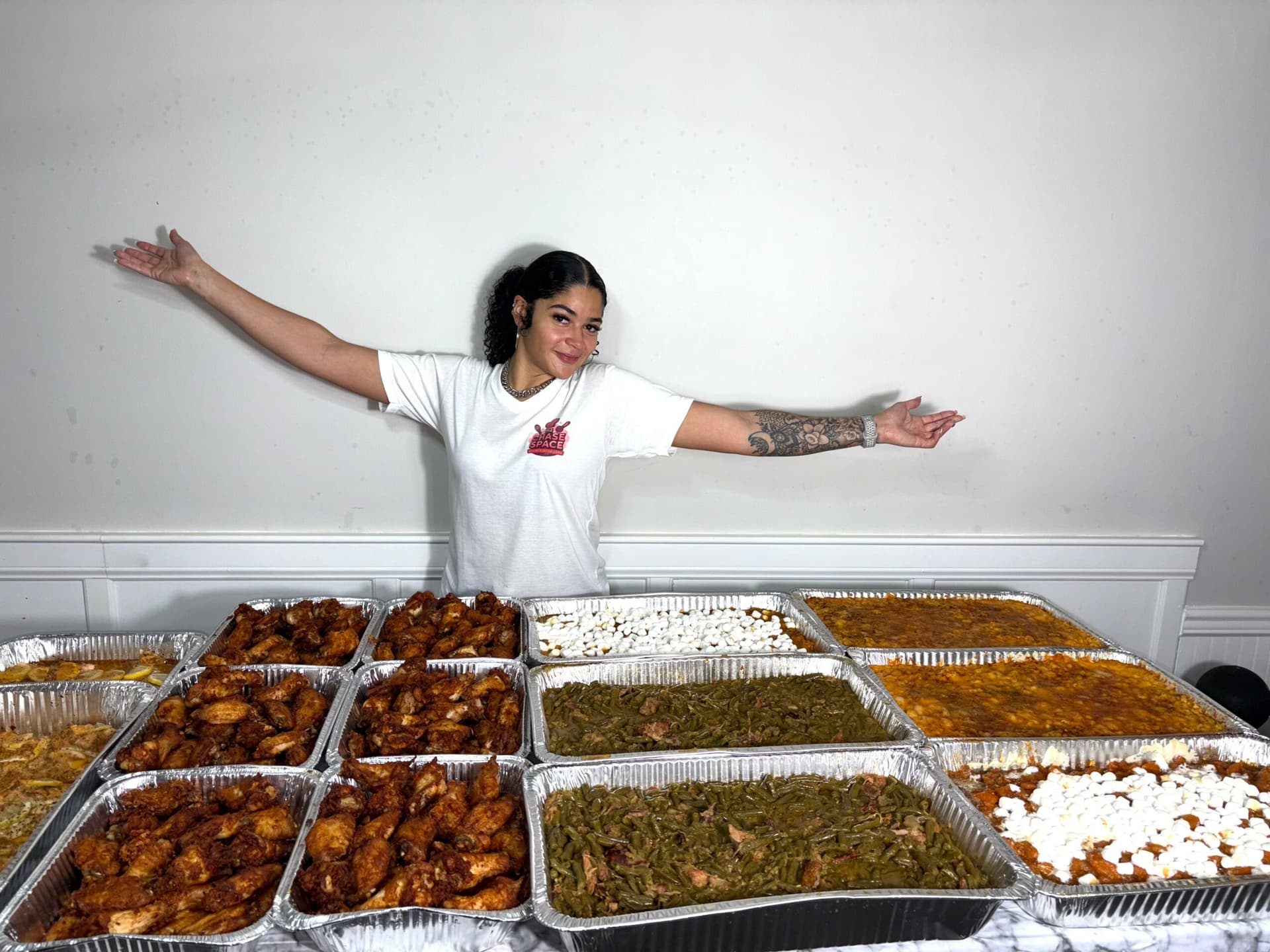
A licensing scare pushed Baltimore caterer Brianna Chase out of her home kitchen and into La Chow in Harbor East, giving her business a licensed commercial base after six years of working from home. Chase raised more than $30,000 in less than 48 hours and used the money to secure her first commercial kitchen space, a crucial step for an operator trying to move from side hustle to compliant growth.
Chase said her business began during the pandemic, when she was selling individual platters from home. She had continued catering that way for six years, but a recent health-department inquiry forced a faster move than she expected. After a pop-up on May 3, 2026, she got a call the next morning asking whether she had licensing to operate at the listed address. She shut down temporarily and got the proper licensing she needed.
That sudden jolt exposed a basic barrier for many home-based food entrepreneurs in Baltimore: the leap from informal production to a permitted commercial operation. Baltimore City says food service facilities must be licensed through the Baltimore City Health Department, and carts, trucks and street vendors selling food in the city also must obtain a food license. For a caterer who wants to grow into a food truck, a commissary kitchen is not just convenient. It is part of the regulatory foundation.
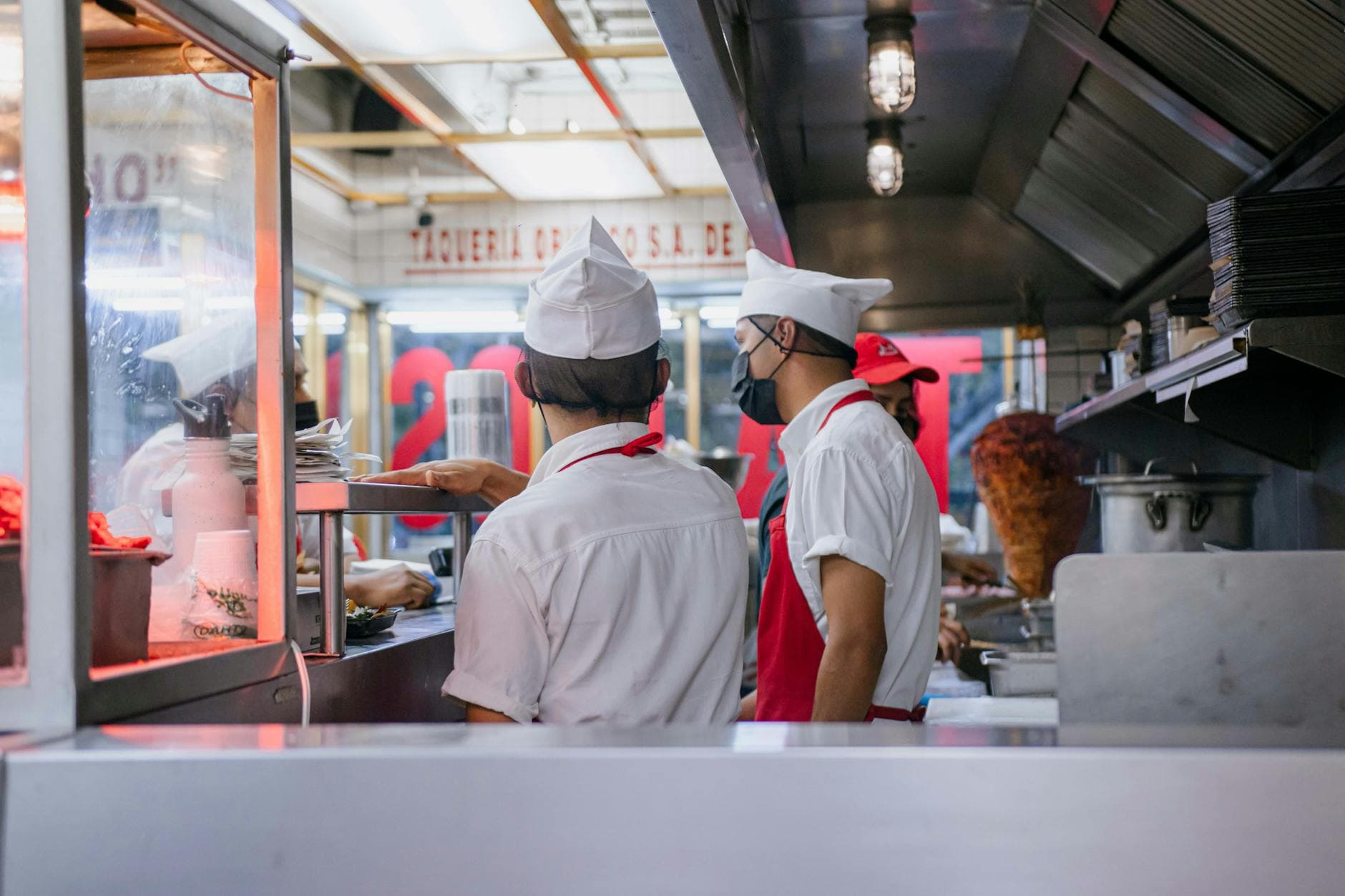
Chase found that foundation at La Chow, where she rented her first commercial kitchen space within a week. The facility spans 35,000 square feet and has at least seven commissary kitchen spaces approved by the health department, available by the day, week or month. Visit Baltimore describes La Chow as a culinary incubator that offers kitchen space, mentorship and business support.
La Chow’s co-owner, Brandon M. Phillips, opened the site as a ghost kitchen and has also used it to host grocery giveaways. Phillips has said some of those giveaways can total about $350,000 to half a million dollars on Saturdays, underscoring the scale of the operation and its role in the neighborhood.
For Chase, the move is about more than solving one licensing problem. She said the visibility she built by sharing her day-to-day work online helped people connect with her story and give. Now her GoFundMe remains active as she works toward her next goal: a food truck, and a bigger business built on a compliant kitchen instead of a home setup.
Know something we missed? Have a correction or additional information?
Submit a Tip