Baltimore Chamber Orchestra debuts at Meyerhoff with city-focused program
Baltimore Chamber Orchestra made its Meyerhoff debut with a one-night program built around Baltimore voices, from Frank Zappa to Karina Ingram. The performance landed during a national orchestras conference.

The Baltimore Chamber Orchestra stepped onto the Joseph Meyerhoff Symphony Hall stage for the first time Sunday night, using a one-night-only program called The Best of Baltimore to make a case that a smaller local ensemble can command Baltimore’s biggest classical hall.
The 7:30 p.m. concert, presented during the League of American Orchestras’ National Conference, paired Baltimore-born Frank Zappa’s G-Spot Tornado with Karina Ingram’s Animals of the Solstice: Calm of the Equinox, Mason Bates’ Cello Concerto and Ludwig van Beethoven’s Symphony No. 7. Canadian cellist Bryan Cheng was the soloist for the Bates concerto, while Robert Moody, the BCO’s music director, conducted the performance.
For the 42-year-old orchestra, the Meyerhoff debut marked a major milestone and a sharper bid for citywide visibility. The orchestra’s own framing cast the program as a celebration of Baltimore’s “gritty creativity” and “historic charm,” a title and repertoire choice that tied the ensemble’s identity to the city rather than to a generic classical offering. That mattered in a hall better known as the home of the Baltimore Symphony Orchestra, where a local chamber group rarely gets the chance to present itself at this scale.
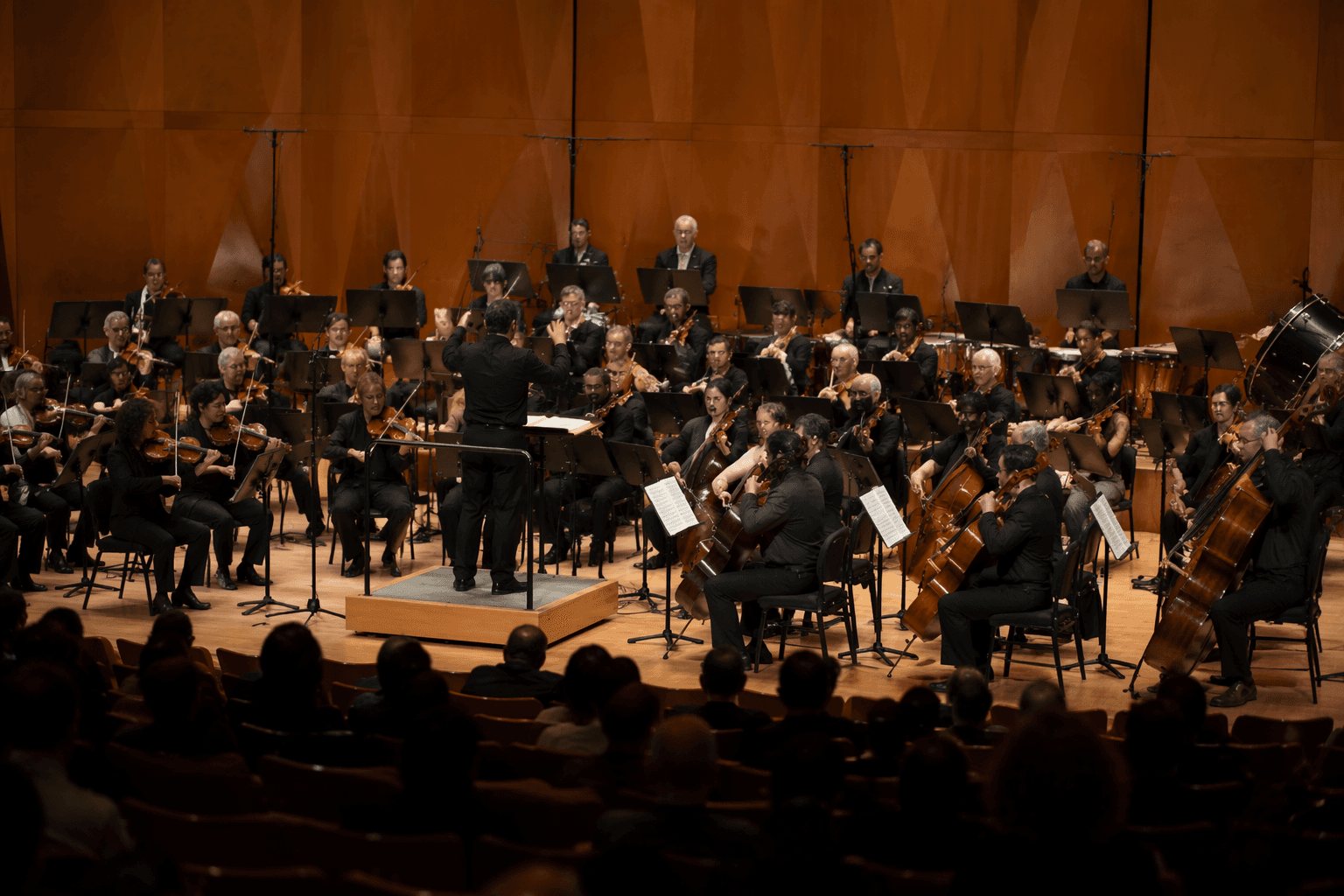
Richard D. Miles, president of the BCO board of trustees, said the orchestra wanted to share its talents with peers from orchestras around the country, underscoring how the concert was designed to play beyond a single local audience. The timing, during a national conference, gave the evening added weight and placed Baltimore’s arts scene in front of visiting orchestra leaders and administrators who shape touring, programming and institutional partnerships.
The result was more than a ceremonial first appearance at Joseph Meyerhoff Symphony Hall on Cathedral Street. It was a test of whether Baltimore institutions can build larger stages for homegrown talent and use them to tell a story about the city’s cultural range, from Zappa’s downtown edge to Beethoven’s canon. For an orchestra trying to deepen its profile in a crowded arts market, the Meyerhoff debut turned a single concert into a city statement.
This article was produced by Prism’s automated news system from verified source data, official records, and press releases, then run through automated quality and moderation checks before publishing. The system is built and supervised by the people who set the standards it runs under. Read our full AI policy.
Did this article answer your question?


