Baltimore City Council approves $4.9 billion budget with no tax hikes
Baltimore kept taxes flat in a $4.9 billion budget that adds school door locks, child care aid and immigrant services. The plan also keeps $5.4 million for crisis response instead of 911.

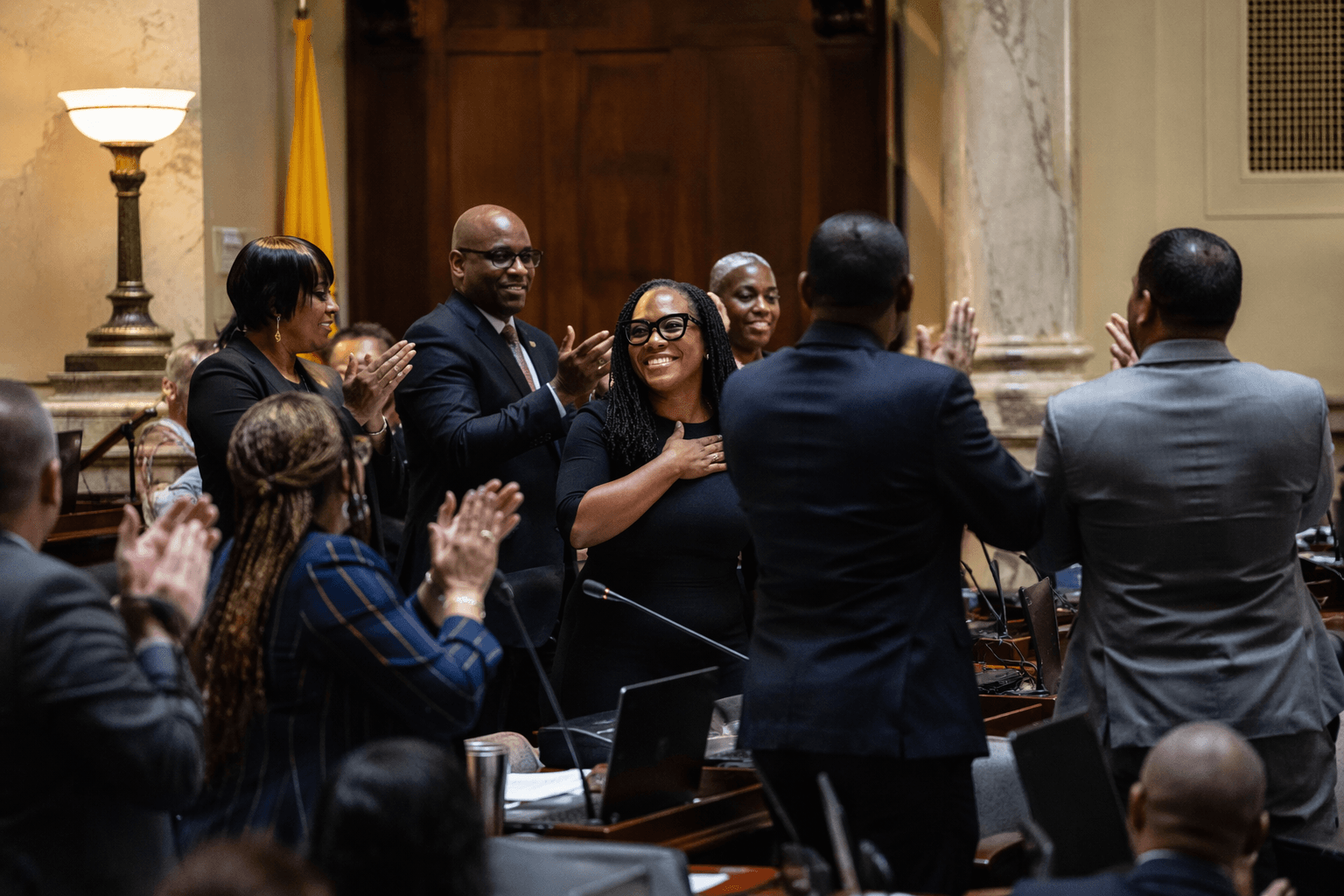
Baltimore City Council unanimously approved a roughly $4.9 billion Fiscal Year 2027 budget on June 24, locking in a no-tax-hike spending plan that city leaders say protects core services without cutting the programs residents use most. The decision shapes what families feel first: school security, child care, neighborhood upkeep, emergency response and help for vulnerable households.
The budget sends about $1.3 billion to public safety and roughly $380 million to equitable economic development, while city officials also say it keeps money flowing to youth programs, older adults, clean and sustainable neighborhoods and modernized infrastructure. Council President Zeke Cohen cast the plan as a reflection of Baltimore’s priorities, and Councilwoman Odette Ramos pointed to a $1.6 million investment in the Mayor’s Office of Immigrant Affairs for legal and mental health services at a moment when immigrant families are under pressure and uncertainty.
For Baltimore City Public Schools, the plan sets aside $500,000 for internal door locks, a specific safety upgrade that affects classrooms and health suites directly. Working parents will also see the effect of the $300,000 going to the Baltimore City Child Care Resource Center, money meant to help expand pre-K and connect families with child care in a city where reliable care often determines whether a parent can keep a job or get to work on time.
The budget also preserves $5.4 million for crisis response and alternatives to 911, extending Baltimore’s investment in nontraditional emergency calls as officials continue to look for ways to match the right response to the right situation. In practical terms, that means some behavioral health and community crises will continue to be routed outside the standard police-and-fire model.
The spending plan followed the city’s budget process through the Board of Estimates, which formally presented the Ordinance of Estimates to the Council after Mayor Brandon M. Scott released the preliminary FY2027 budget on April 1, 2026. City budget documents put the recommended FY2027 operating budget at about $5.02 billion before adoption, and the city’s capital plan for the same fiscal year is pegged at $1 billion.
Property owners will also see the first step in Baltimore’s tax relief plan on July 1, 2026, when the city begins a one-penny reduction. City officials say four more pennies are planned for next July, which would bring the homeowner rate to $1.99 over time.
This article was produced by Prism’s automated news system from verified source data, official records, and press releases, then run through automated quality and moderation checks before publishing. The system is built and supervised by the people who set the standards it runs under. Read our full AI policy.
Did this article answer your question?