Baltimore City Council Stalls Bill to Boost Oversight of Youth Fund
A Baltimore oversight bill stalled after the city's inspector general found BCYF spent $75M in taxpayer funds since 2020 with "few controls."
A City Council bill designed to tighten oversight of the Baltimore Children and Youth Fund hit another wall Thursday when a scheduled committee vote dissolved into debate, leaving the legislation exactly where it has sat since six council members introduced it in September: unsigned, unvoted, and stuck in committee.
The Education, Youth and Older Adults Committee had convened to advance the bill, but the session sidetracked into arguments about the scope of proposed reforms and ended without a vote. Chairman John Bullock said amendments would be taken up at a future hearing.
The delay comes months after Inspector General Isabel Mercedes Cumming issued a report finding that BCYF spent about $75 million in taxpayer money since 2020 "with few controls or supervision from the finance department, mayor's office, City Council or auditor." Auditors at the comptroller's office did not receive financial statements from the organization for fiscal years 2022, 2023, or 2024. And in the last two years alone, the fund invoiced over $26 million without disclosing the names of grantees, as required under a Finance Department memorandum, while distributing another $21 million accompanied only by minimal revenue and expense summaries. Despite those gaps, "the city paid out the money," Cumming said.
BCYF disputes the IG's characterization, maintaining that its audits are posted online. City officials, however, say they have no record of recent submissions.
The fund draws its budget automatically from Baltimore's property tax rolls: 3 cents on every $100 of assessed value, totaling roughly $16 million a year. Voters approved the funding mechanism in 2016 following the unrest after Freddie Gray's fatal injury in police custody, with the explicit intent of channeling dollars to grassroots organizations and community leaders. Critics have noted the drift from that mission. Last year, BCYF redirected about $6 million in taxpayer dollars back to the city government as an "emergency investment" in the Mayor's Office of Employment Development to support programs including YouthWorks, a move that drew sharp criticism from council members who argued it bypassed the open grant process BCYF was created to support.
The fund's latest IRS filing shows 36% of expenditures went to administration and staffing costs.
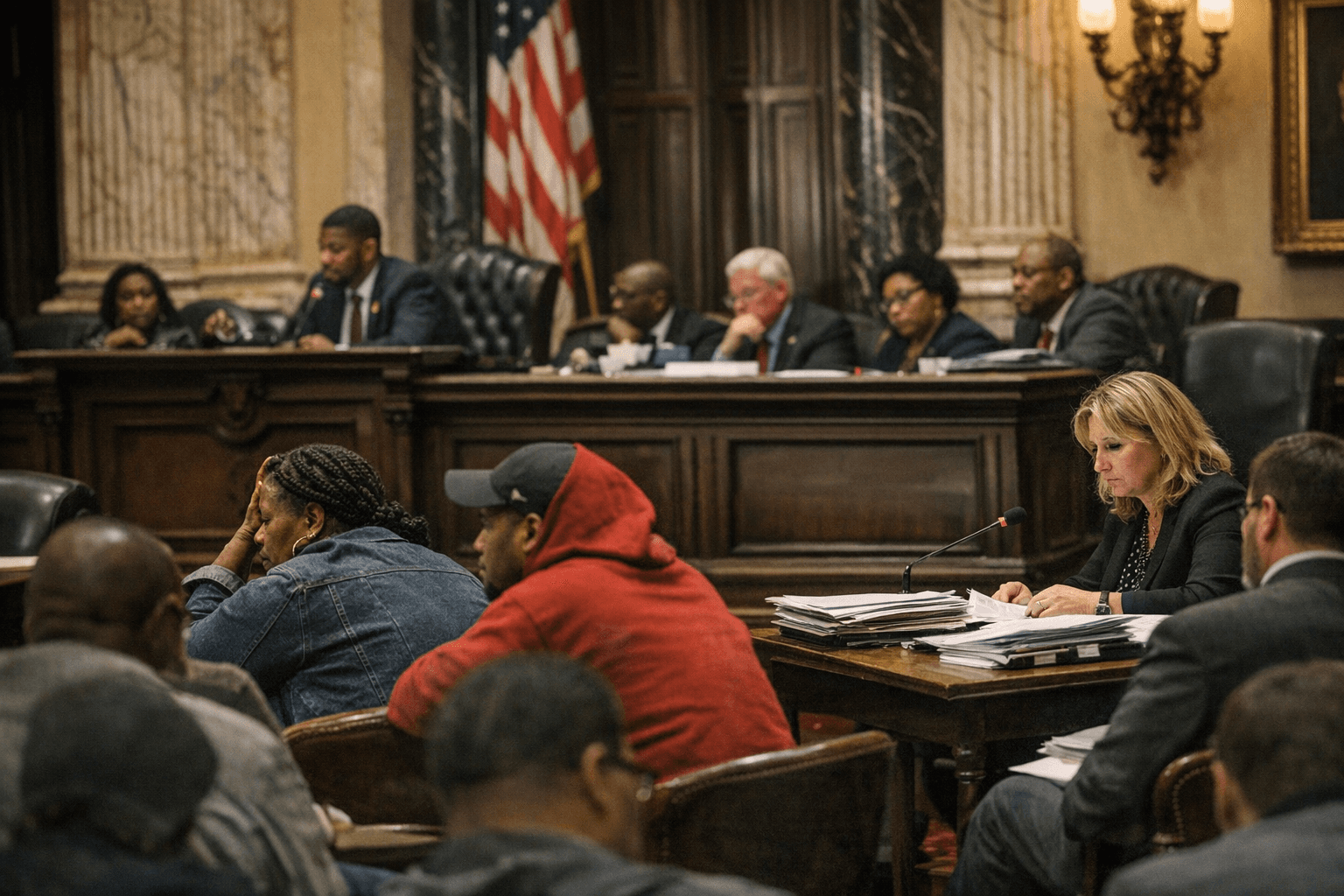
Councilman Mark Parker, who has drafted substantial amendments to the bill, opened Thursday's hearing by acknowledging that the youth fund does "vital work," while pressing the case that significant regulatory gaps remain. His proposal would require more detailed budget disclosures, expand the size of BCYF's board, restrict spending on programs beyond direct grants, and mandate performance audits every three years. Several city agencies testified in support of the bill, contingent on Parker's proposed amendments. Baltimore finance officials opposed the measure outright, arguing it could limit the city's ability to receive money from the fund, an objection previously raised by Mayor Brandon Scott.
Dozens of BCYF supporters packed the hearing, most urging the council to reject additional restrictions on the fund.
City Council President Zeke Cohen struck a measured tone as the session opened. "It is good to see the collaborative effort to continue the youth fund, to continue the support, to bring the right sets of accountability," Cohen said. "I know this has been a pretty extensive process."
With no vote taken and no firm date set for the next committee hearing, the bill's path forward remains uncertain.
This article was produced by Prism’s automated news system from verified source data, official records, and press releases, then run through automated quality and moderation checks before publishing. The system is built and supervised by the people who set the standards it runs under. Read our full AI policy.
Did this article answer your question?