Baltimore City schools name Jermaine Dawson next CEO amid deep challenges
Jermaine Dawson will take over Baltimore City schools on July 1 with enrollment down and the district still last or near-last in key state measures.
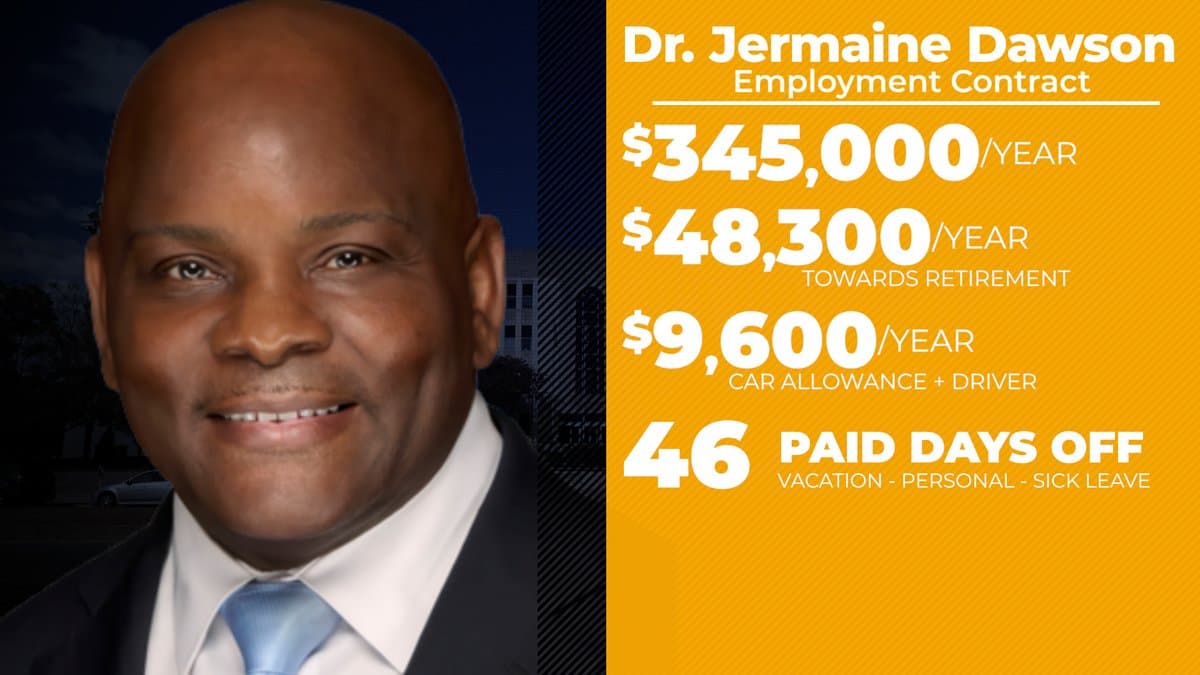
Baltimore City Public Schools is turning to Dr. Jermaine Dawson at a moment when the district cannot afford a slow start. Dawson will become CEO on July 1 with a four-year contract running through June 30, 2030, inheriting a school system that city leaders and state data show is still struggling on the measures families notice most: attendance, graduation, test scores and student confidence in classrooms.
The Baltimore City Board of School Commissioners unanimously approved Dawson on April 20, and the district has described him as an accomplished K-12 leader. He is leaving the School District of Philadelphia, where he serves as deputy superintendent of academic services, to replace Dr. Sonja Brookins Santelises, who steps down at the end of June after a decade in the role. Santelises was Baltimore’s longest-serving schools leader in nearly 80 years, making Dawson’s arrival a major turning point for a system that has cycled through repeated reform efforts without escaping deep inequities.
The first hard number on Dawson’s desk is enrollment. Baltimore City Public Schools reported 76,362 official students in 2025-26, down 479 students, or 0.6 percent, from the previous year. The district continues to push school choice as a route for middle and high school students, but the enrollment decline underscores the pressure to keep families in Baltimore schools and convince parents that city schools can deliver stability as well as options.
The academic picture is even starker. FOX45 reported that Baltimore City Public Schools has Maryland’s lowest graduation rate, attendance rate, average SAT score and English proficiency rate, along with the state’s second-lowest math proficiency rate. Those rankings make Dawson’s first months less about symbolism than measurable recovery. By winter, the question will not be whether the district has a new leader, but whether students are showing up more consistently, reading and writing with greater proficiency, and experiencing safer, more orderly classrooms.
Dawson enters amid governance stress as well. In June 2026, the district reached a settlement with charter operators that ended years of litigation over charter-school funding, with Baltimore City Public Schools agreeing to distribute $5.2 million to 30 charter schools. City Schools’ own materials show a system that includes elementary, middle, high and charter schools, and parent and community advisory structures meant to advise the CEO and board. Those groups now face a familiar Baltimore question with new urgency: whether this leadership change can produce visible gains in attendance, literacy, school climate, facilities and enrollment before the year is out.
This article was produced by Prism’s automated news system from verified source data, official records, and press releases, then run through automated quality and moderation checks before publishing. The system is built and supervised by the people who set the standards it runs under. Read our full AI policy.
Did this article answer your question?