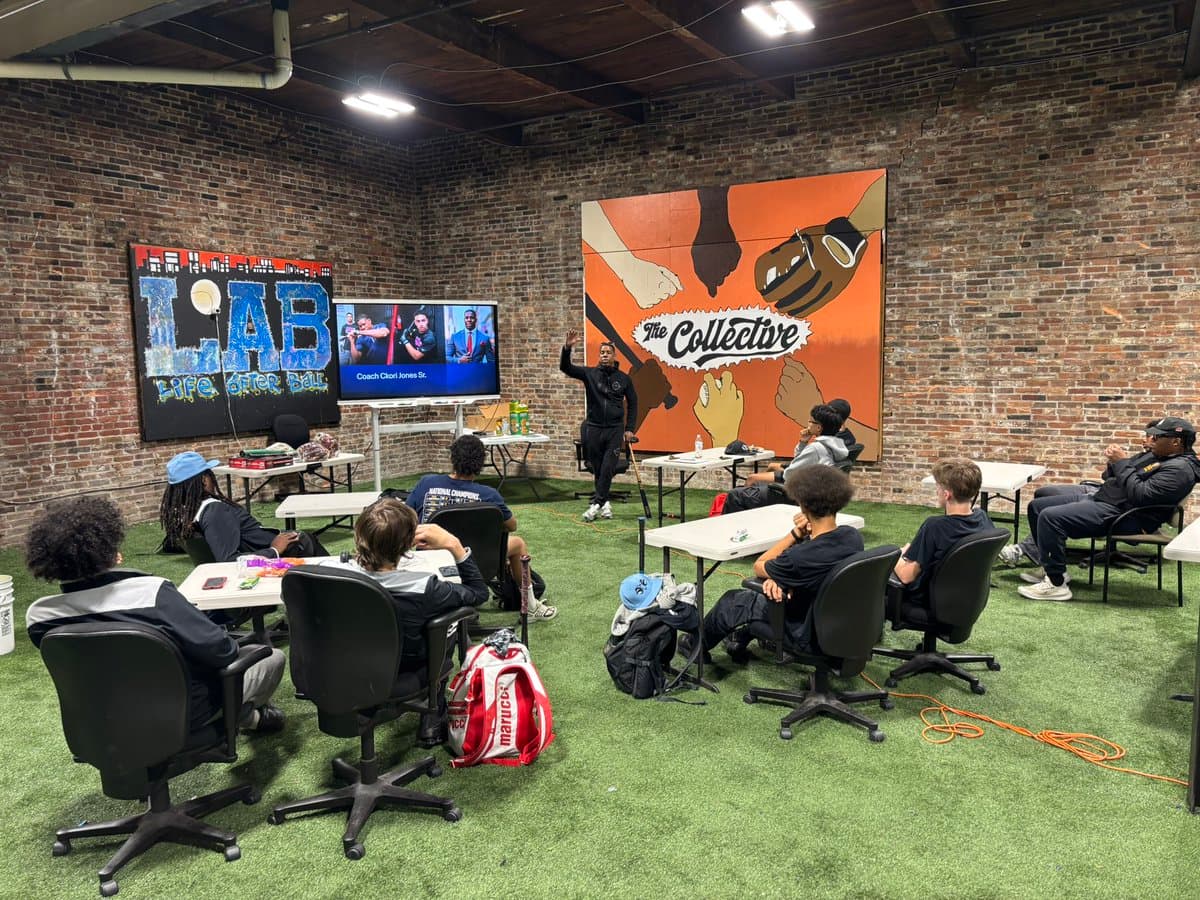
Baltimore City summer meal program begins Wednesday for children 18 and younger
Baltimore City’s summer meal service opened Wednesday for children 18 and younger, with free breakfasts and lunches set to run through Aug. 14.

Baltimore City’s summer meal service opened Wednesday, giving children 18 and younger free breakfasts and lunches as the school year ended and regular cafeteria meals disappeared. The program will run through Aug. 14, and all sites will close on Fridays from June 19 through July 31, a schedule that families have to follow closely to avoid missing meals.
Baltimore City describes the Summer Food Service Program as an extension of the National School Lunch Program, created to make sure eligible children still receive at least one nutritionally sound meal a day during summer vacation. City materials say the program provides free, nutritious meals and snacks so children can learn, play and grow while they are out of school. Site eligibility is tied to geography, and each site must serve at least 10 eligible youth age 18 or younger.
Baltimore City Public Schools set a Friday, May 22, 2026 deadline for principals or program coordinators to register school-based summer meal programs, a reminder that the service has to be organized well before the first trays go out. Across Maryland, the summer meal network serves youth 18 and under, and the state’s Summer Sites finder lists both in-person and to-go meal sites, which can matter for families balancing work schedules, transit, and neighborhood access.
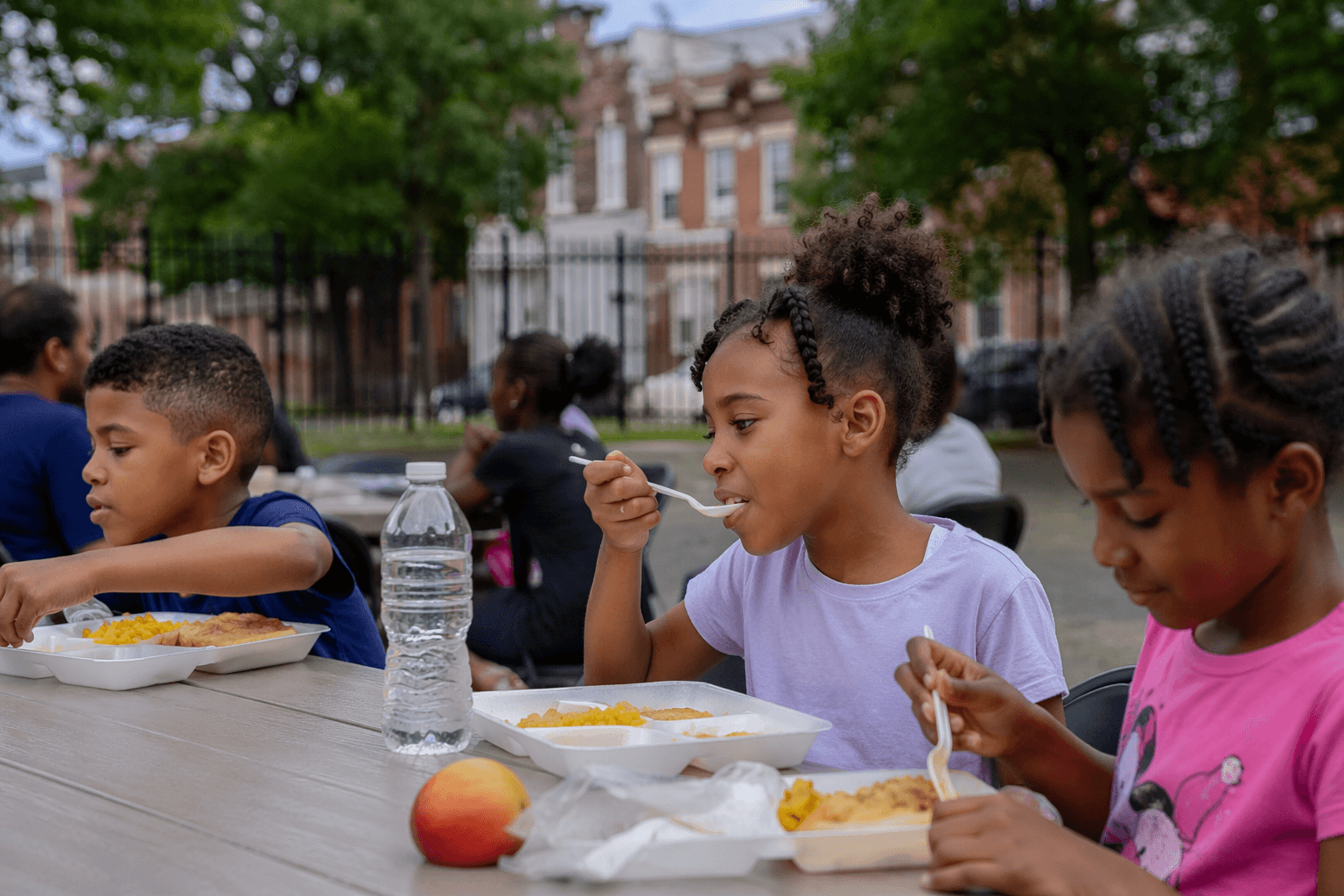
The USDA Food and Nutrition Service also operates a mobile-friendly Summer Meals Site Finder that helps families locate nearby sites on smartphones and tablets. That tool and Maryland’s site finder point to the same basic reality in Baltimore: access can vary by neighborhood, by schedule, and by whether a site serves meals on-site or offers them to go.
Maryland’s education department sought public and private nonprofit partners for the 2026 SUN Meals program in a January 30 notice, underscoring how much the summer meal system depends on local organizations, advance registration, and federal support. In Baltimore, the program functions as a practical part of the city’s anti-hunger infrastructure, replacing school-day meals with a summer network built to keep children fed while classrooms are closed.
This article was produced by Prism’s automated news system from verified source data, official records, and press releases, then run through automated quality and moderation checks before publishing. The system is built and supervised by the people who set the standards it runs under. Read our full AI policy.
Did this article answer your question?