Baltimore Closes $28.8M Affordable Housing TIF Bonds Amid Strong Demand
The Mayor's Office announced on January 7, 2026 that the first series of City-Wide Affordable Housing Tax Increment Financing bonds closed on December 23, 2025, offering $28.8 million to investors for rehabilitating vacant properties under Reframe Baltimore. The offering drew roughly $389 million in investor interest, a sign of strong market demand that will help fund property rehabs and public infrastructure citywide and advance the city's 15-year, $3 billion vacants reduction plan.
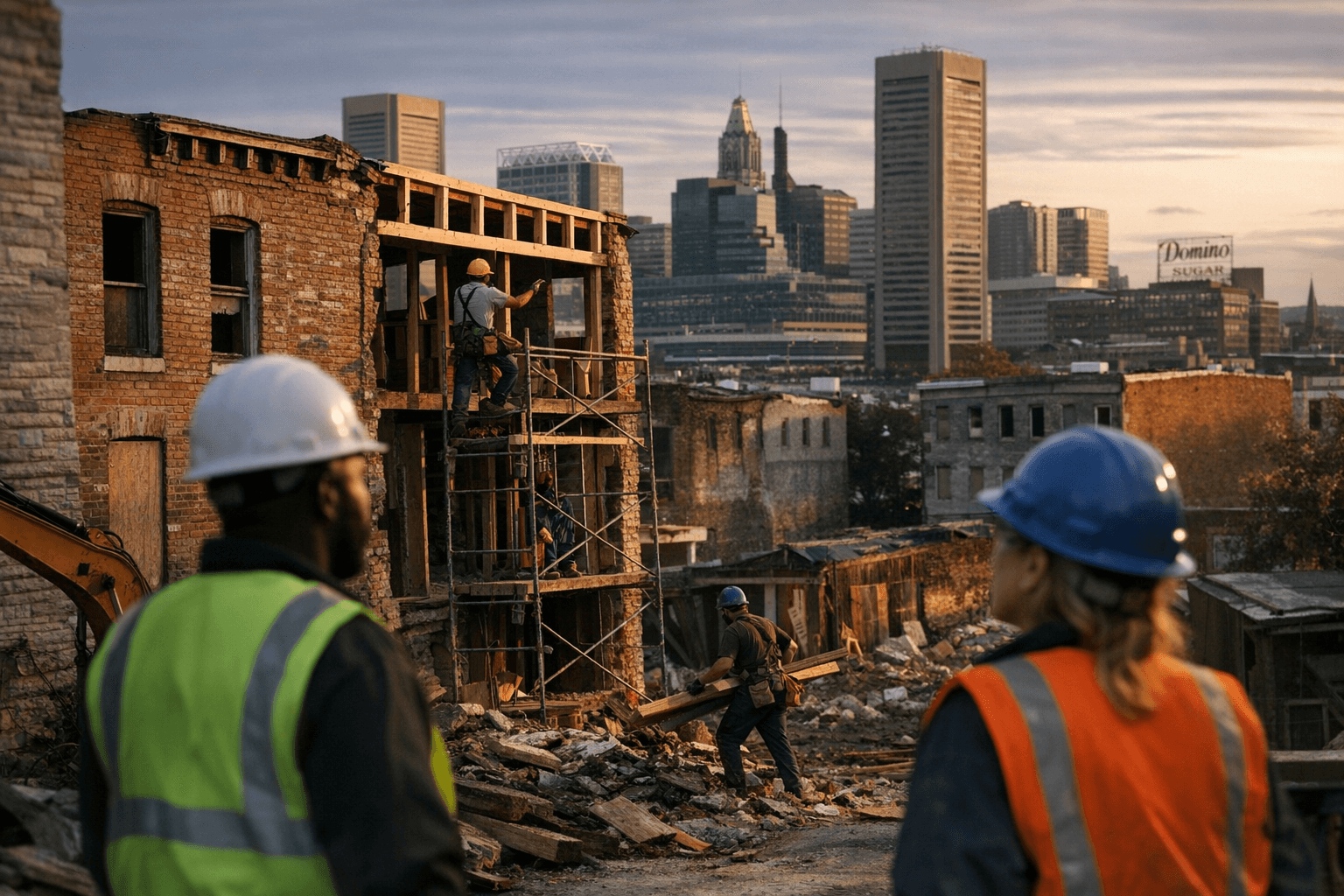
Baltimore completed the initial issuance of City-Wide Affordable Housing Tax Increment Financing bonds on December 23, 2025, the Mayor's Office announced January 7, 2026. The first series offered $28.8 million to investors with proceeds earmarked for rehabilitating vacant housing and improving public infrastructure across the city as part of Reframe Baltimore, the 15-year, $3 billion initiative to reduce vacant properties and expand affordable housing.
Investor demand far exceeded the offering. Interest totaled roughly $389 million, about 13.4 times the amount offered, underscoring strong market appetite for municipal financing tied to affordable housing and neighborhood revitalization. For Baltimore taxpayers and residents, that demand helps lower borrowing costs and strengthens the prospect that planned rehabilitations move forward more quickly than they might have otherwise.
Tax Increment Financing channels up-front capital for public improvements and allowable private projects, repaid over time from increased tax revenues generated by rising property values. In this case, city officials are directing bond proceeds toward repairing vacant homes and funding public infrastructure that supports long-term reuse. The funds are intended to return empty properties to productive use, stabilize neighborhoods, and increase the stock of affordable housing across multiple communities rather than concentrate activity in a single corridor.
This first closing represents an initial step in a multi-year financing strategy under Reframe Baltimore. The plan’s scale - $3 billion over 15 years - signals an extended commitment to tackling vacancy and blight, priorities that affect public safety, property values, and city services. For homeowners, renters, and small businesses, rehabilitated properties can reduce crime risk, improve walkability, and expand affordable housing options. For city government, successful early sales build credibility with investors and can influence the timing and structure of future bond issuances.
The strong investor response also places Baltimore in a broader financial context where markets are showing interest in municipal credits tied to housing and community revitalization. That interest could translate into favorable terms for subsequent bond series, helping the city stretch public dollars further.
City residents should expect to see rehabilitation projects and infrastructure work roll out over the coming months as funds are allocated and contracts awarded. The pace and neighborhood distribution of those projects will be key measures of whether the initial financing delivers tangible improvements at street level and advances Reframe Baltimore’s affordable housing objectives.
This article was produced by Prism’s automated news system from verified source data, official records, and press releases, then run through automated quality and moderation checks before publishing. The system is built and supervised by the people who set the standards it runs under. Read our full AI policy.
Did this article answer your question?