Baltimore Council to scrutinize ended SideStep youth diversion program, fraud claims
City Council is set to probe SideStep’s costs, redacted records and alleged fraud, even as Baltimore touts wider violence drops from its safety plan.
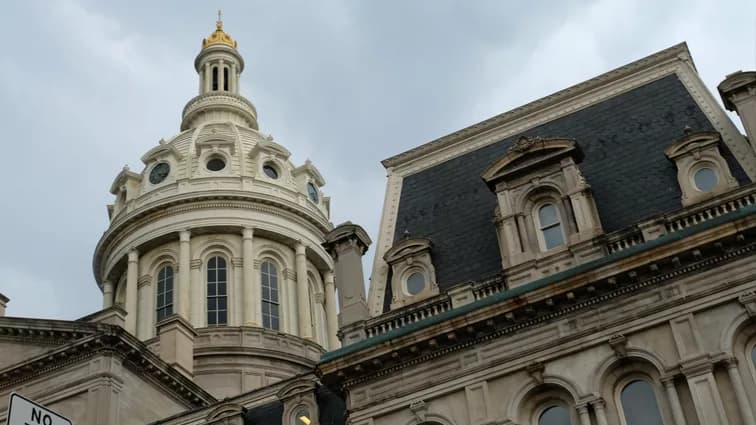
Baltimore City Hall is reopening one of the city’s most contested youth safety experiments, with Councilman Mark Conway poised to press MONSE over what SideStep cost, what it delivered and why it became tangled in fraud allegations and data-security concerns.
SideStep launched in January 2022 in the Baltimore Police Department’s Western District as a pre-arrest diversion program for youth ages 10 to 17. MONSE described it as a partnership with the Baltimore Police Department, Baltimore City School Police and youth-serving organizations, aimed at young people facing low-level allegations including shoplifting, larceny, drug possession, destruction of property, misdemeanor assault and unauthorized use. The city ended the pilot in 2024, but the questions around it only deepened after the Baltimore City Inspector General’s Office issued a March 17 synopsis titled “Criminal Referral of Fraudulent MONSE Inovices & Data Breach.”
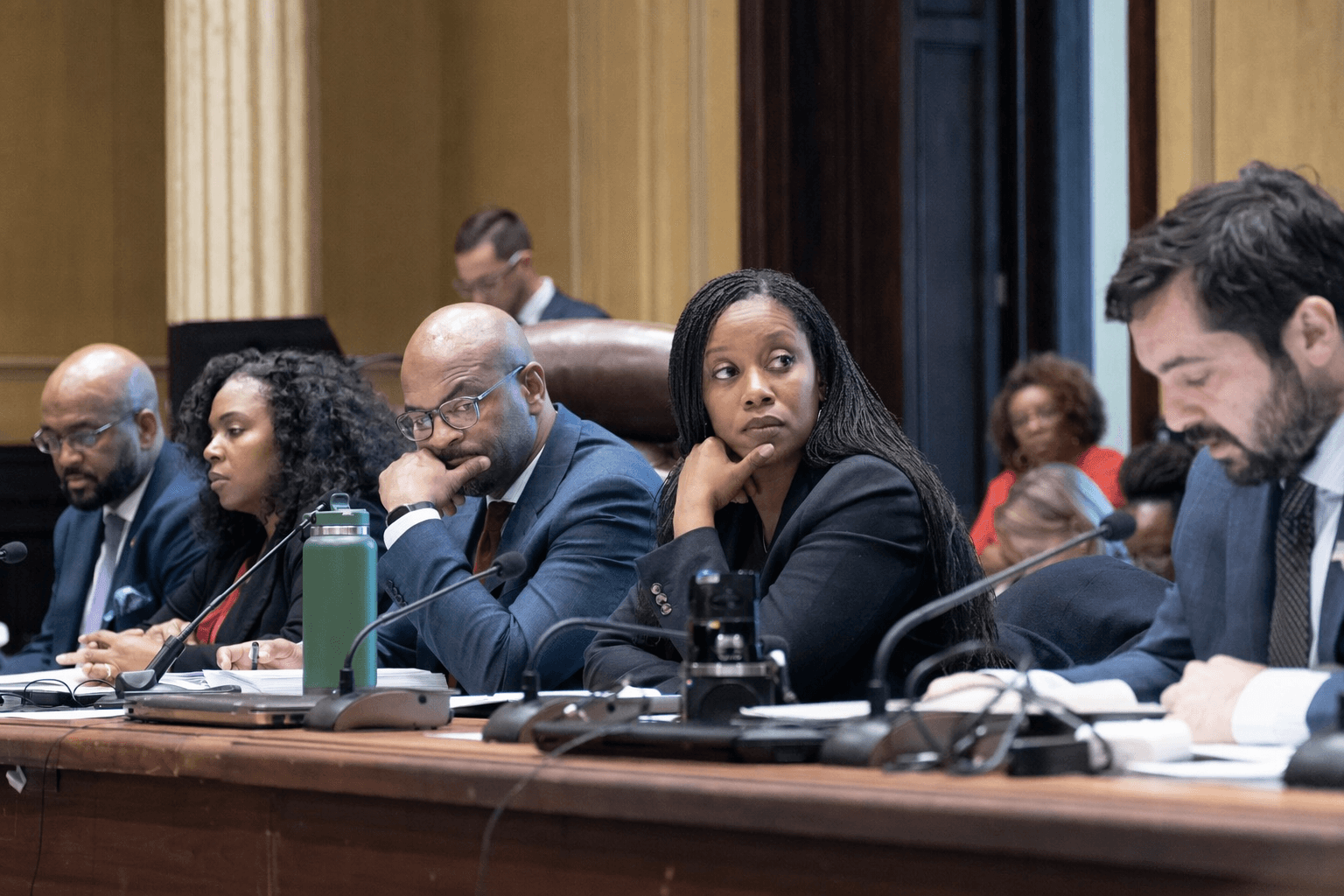
That synopsis sent the issue well beyond routine oversight. Reporting on the inspector general’s findings said two community-based organizations submitted fraudulent invoices, nearly $700,000 in payments to 15 contractors was involved, and one contractor altered invoices to secure higher payments. The inspector general also said personal information belonging to more than 700 youth participants may have been exposed through outside email. Conway has said the hearing will examine gaps, oversight, financial controls and accountability tied to the program, which was built as an alternative path for young people who had already had contact with police.
The hearing arrives as City Hall is also locked in a records fight over the same investigation. Inspector General Isabel Cumming sued Mayor Brandon Scott on Feb. 24, saying MONSE gave her office more than 200 pages of mostly redacted materials and that the city changed course in June 2025 after years of cooperating. She has said she retained pro bono lawyers Mark Stichel and Anthony May. Scott has said the city and MONSE were victims of fraud and that SideStep no longer exists.

The case also tests whether Baltimore’s broader violence-prevention strategy can absorb a scandal without losing momentum. The city’s Comprehensive Violence Prevention Plan was first released June 25, 2021 and updated April 22, 2024. Officials say homicides have dropped more than 40% since the plan took effect, and the first six months of 2025 brought the fewest homicides in recorded city history. Yet MONSE still told City Council in June 2025 that it wanted to expand SideStep citywide for fiscal 2026, even after the pilot had ended, leaving council members to weigh whether the program was a model worth scaling or a high-profile initiative that never proved enough to defend.
This article was produced by Prism’s automated news system from verified source data, official records, and press releases, then run through automated quality and moderation checks before publishing. The system is built and supervised by the people who set the standards it runs under. Read our full AI policy.
Did this article answer your question?