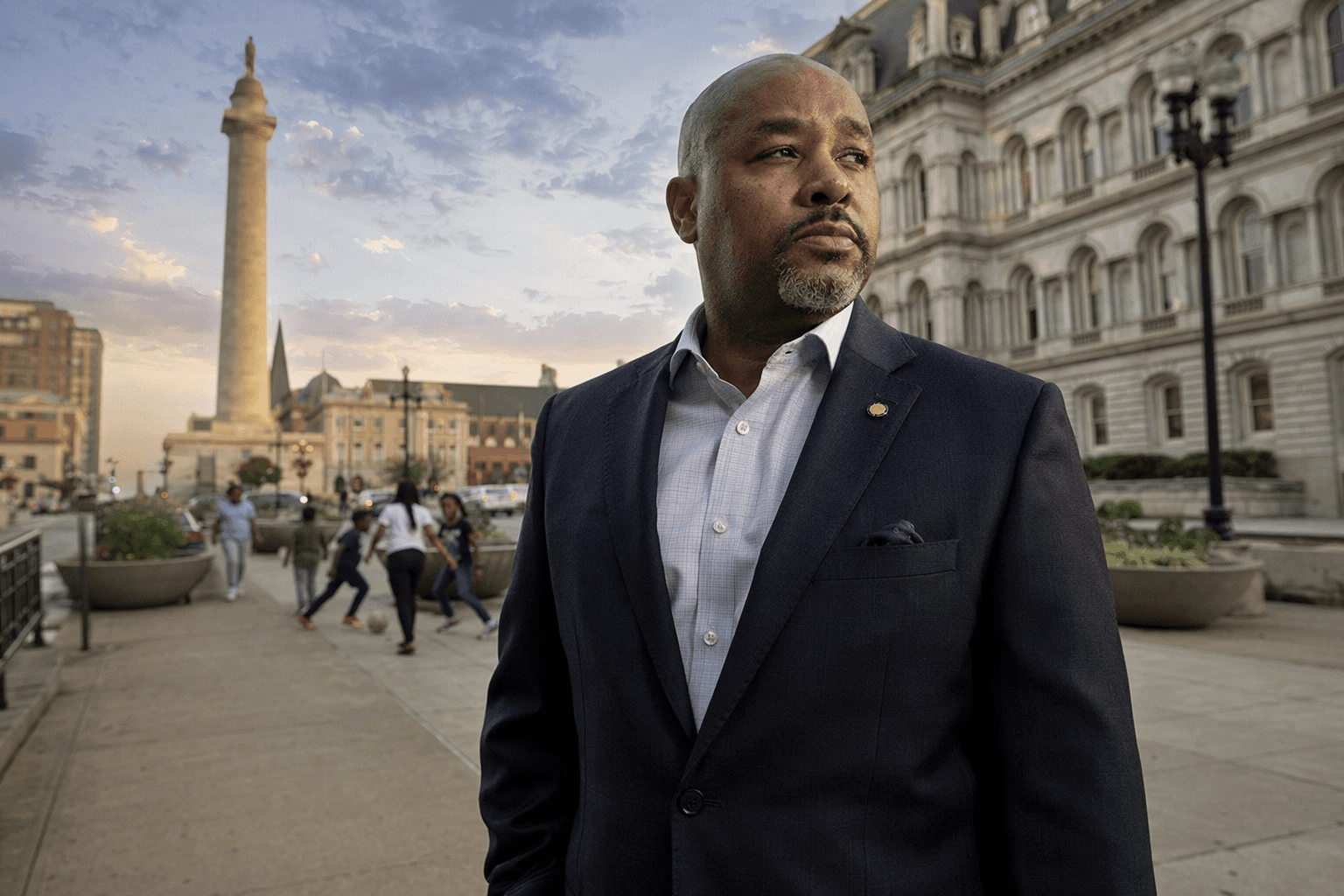
Baltimore Councilman Cohen Proposes One-Year Ban on New Data Centers
Council President Zeke Cohen wants a 12-month freeze on data centers drawing 10+ megawatts, saying BGE bills already force Baltimore families to choose between electricity and rent.
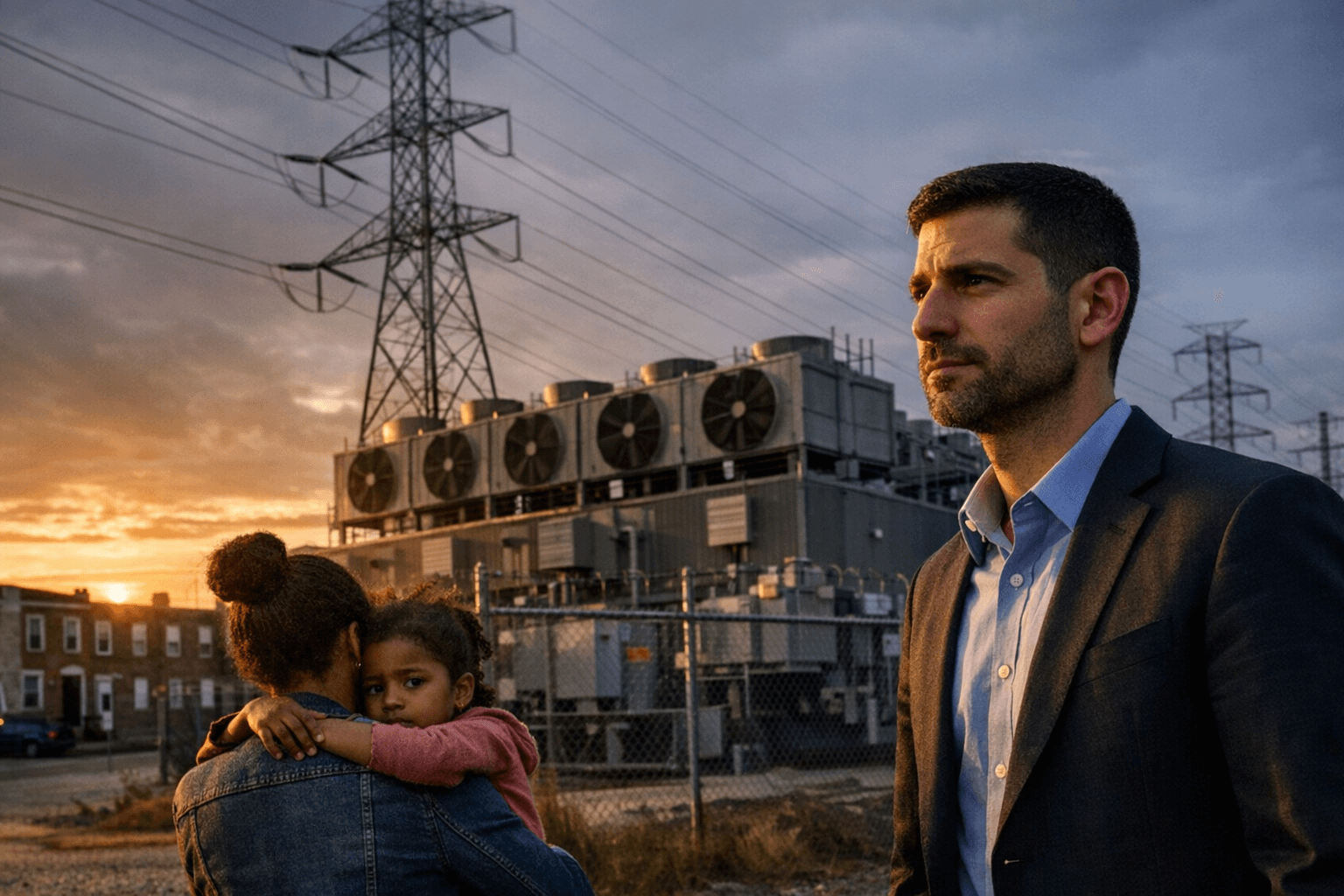
Council President Zeke Cohen introduced legislation Monday to freeze all new data center construction in Baltimore for one year, drawing a hard line at any facility pulling 10 megawatts of electricity or more, which would be classified as a prohibited zoning use citywide while officials study who actually foots the bill.
"BGE bills have skyrocketed and residents across our city have had enough," Cohen said at a City Hall press conference. "People are choosing between paying for gas and electricity or their rent or mortgage."
The bill surfaced against the backdrop of Johns Hopkins University's Data Science and AI Institute, under construction since January at Remington Avenue and Wyman Park Drive. Neighbors there spent months protesting the felling of city-owned street trees for the project, spawning high-profile demonstrations along the site's perimeter. Hopkins has pledged to plant 300 replacement trees and repeatedly denied that the DSAI will become a commercial data center, but the assurances have not quieted the skeptics.
Cohen's core argument is about infrastructure costs. Maryland's ratepayer advocate has warned that data centers in Northern Virginia and Maryland will strain the mid-Atlantic electrical grid and push up household bills through transmission upgrade charges. BGE separately faced pressure to shelve a South Baltimore transmission project that would have cost more than $500 million and hit residential customers' bills. Cohen said facilities drawing large electrical loads should pay for any grid upgrades their appetite requires, not spread those costs to every Baltimore family with a BGE account.
"I don't want to sacrifice my neighbors to the altar of data centers," he said.
Baltimore County Council voted unanimously in February to enact its own temporary data center ban while its planning board studies the issue. The city moratorium would run in parallel with a Maryland General Assembly-authorized study allowing the state's Public Service Commission to register and scrutinize large-load customers. If the bill advances, the council plans to use the year to examine rate impacts, health effects, and neighborhood equity before any 10-megawatt tenant secures a Baltimore address.
Know something we missed? Have a correction or additional information?
Submit a Tip