Baltimore debt tops $4.1 billion, raising borrowing concerns
Baltimore already owes $4.1 billion, a debt load equal to 8.9% of its tax base as voters prepare to weigh another $280 million in borrowing.

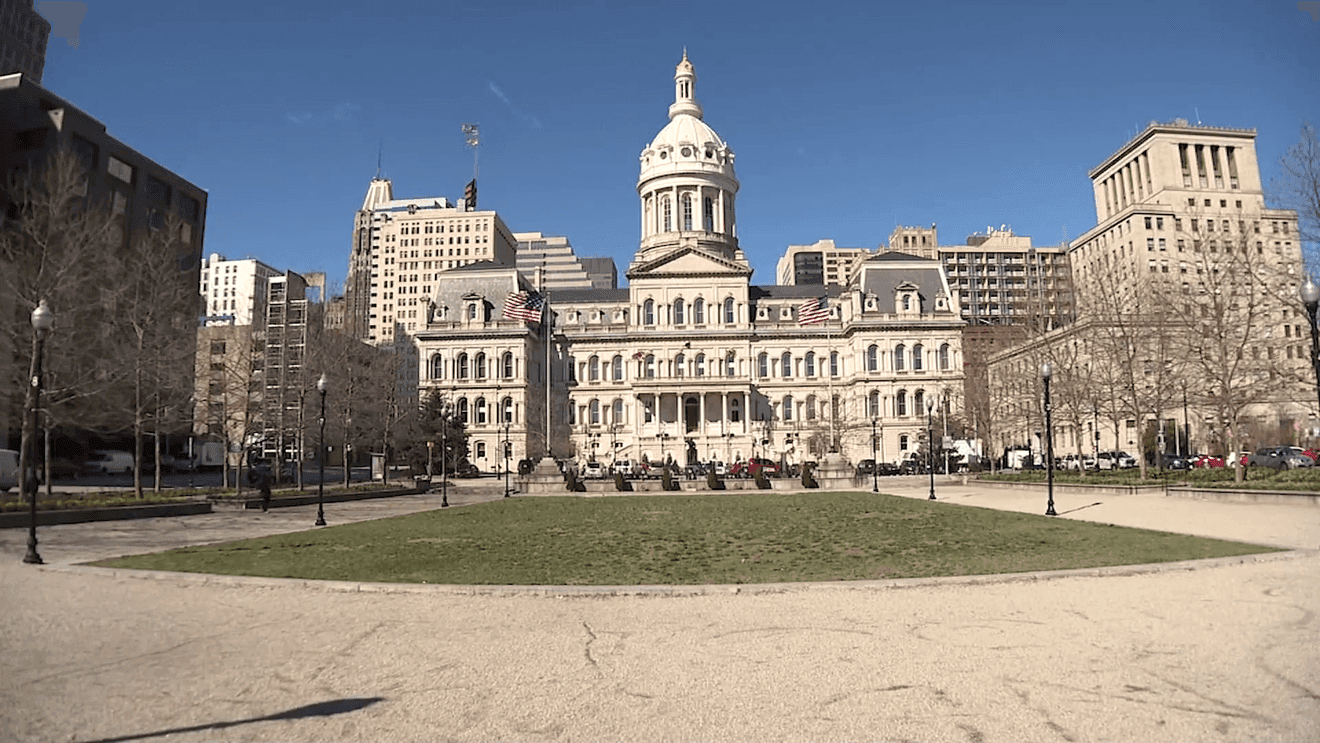
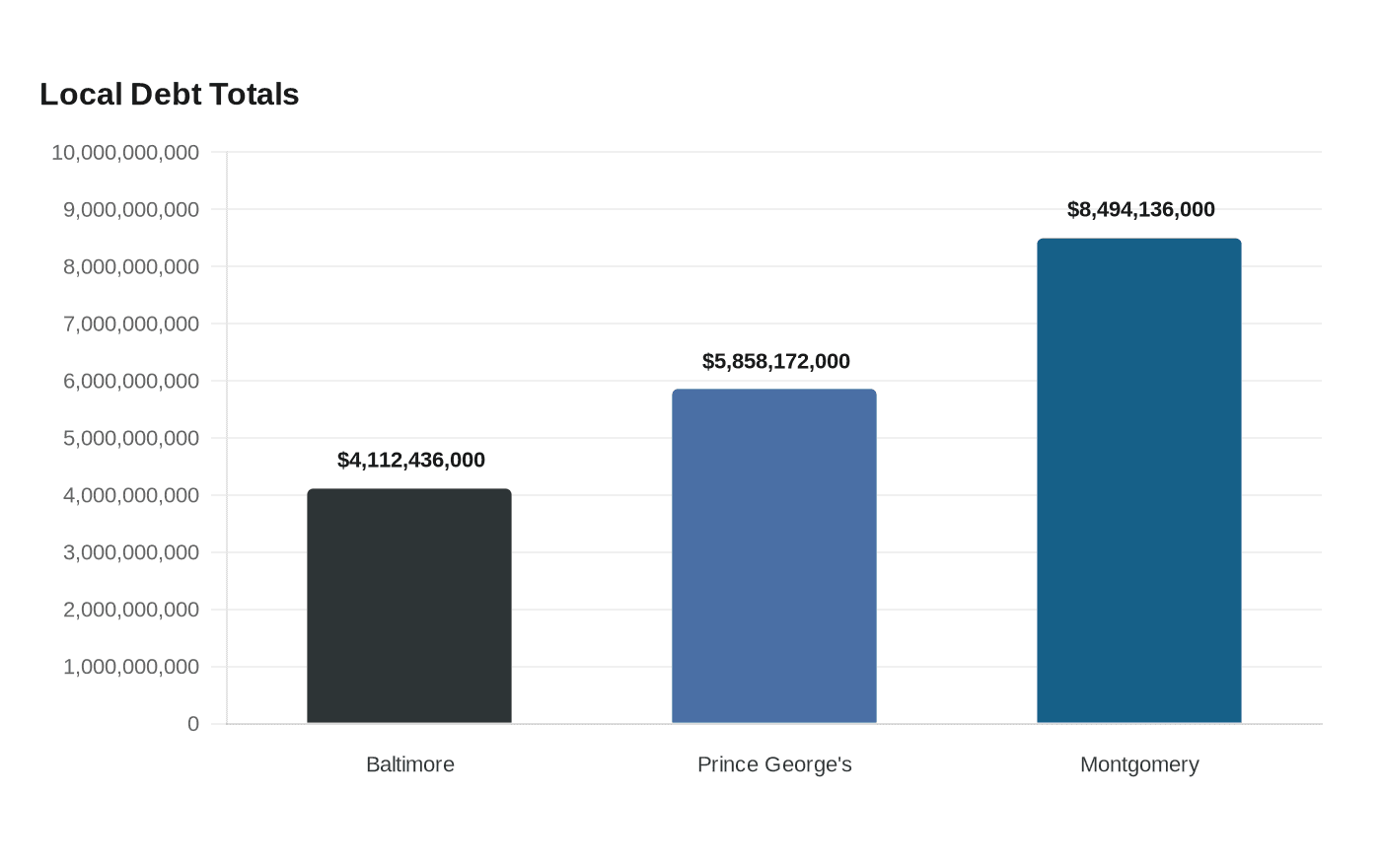
Baltimore’s debt load has become more than an accounting line. With about $4.1 billion in outstanding bond debt, the city is carrying the third-largest burden in Maryland, behind only Prince George’s County and Montgomery County, and that load is pressing against the city’s tax base in a way that could shape taxes, schools, streets and future borrowing.
Maryland’s 2026 Local Debt Measures report puts Baltimore City’s fiscal 2024 total debt at $4,112,436,000. Prince George’s County stood at $5,858,172,000 and Montgomery County at $8,494,136,000, but Baltimore’s smaller tax base makes its position more precarious. The report says the city’s debt equaled 8.9% of its assessable property tax base in fiscal 2024, roughly double the statewide average.
That ratio matters more than the raw dollar total. Every additional bond issue means more repayment obligations, and those payments come before other spending priorities when budgets tighten. In Baltimore, that can mean less room for classroom repairs, road work, park upkeep and city buildings if revenue slows or borrowing rises again.
The city’s finance department says general obligation bonds are repaid from total city revenue and are commonly used for schools, roads, parks and government buildings. Tax increment financing bonds work differently: they are tied to redevelopment projects and repaid from increased property tax revenues generated by those projects. Both tools can help Baltimore finance capital work, but both also tie up future resources.

The concern is sharpened by what comes next. Baltimore voters are expected to decide this fall whether to authorize another $280 million in city borrowing, putting the debt question directly in front of residents who already live with aging facilities and recurring infrastructure needs. Richard Clinch, a Baltimore County economist, called the city’s debt as a share of its assessable base “enormous.”
The budget picture has not eased the pressure. Mayor Brandon M. Scott released his FY2026 preliminary budget on April 2, 2025, saying it closed an $85 million shortfall through new revenue and savings without raising the city’s property or income tax. The final FY2026 budget passed the Baltimore City Council 13-2 and took effect July 1, 2025, with 271 more full-time positions. Even with that plan in place, the debt burden leaves Baltimore with less margin for error if borrowing needs keep growing and the economy weakens.
This article was produced by Prism’s automated news system from verified source data, official records, and press releases, then run through automated quality and moderation checks before publishing. The system is built and supervised by the people who set the standards it runs under. Read our full AI policy.
Did this article answer your question?