Baltimore Deputies Use GPS Tracked Packages to Catch Thieves
Baltimore City Sheriff’s deputies deployed GPS tracked decoy packages across neighborhoods to catch and deter package thieves during the holiday season. The initiative produced several arrests since December and highlighted both neighborhood concerns over repeated thefts and questions about law enforcement transparency and oversight.
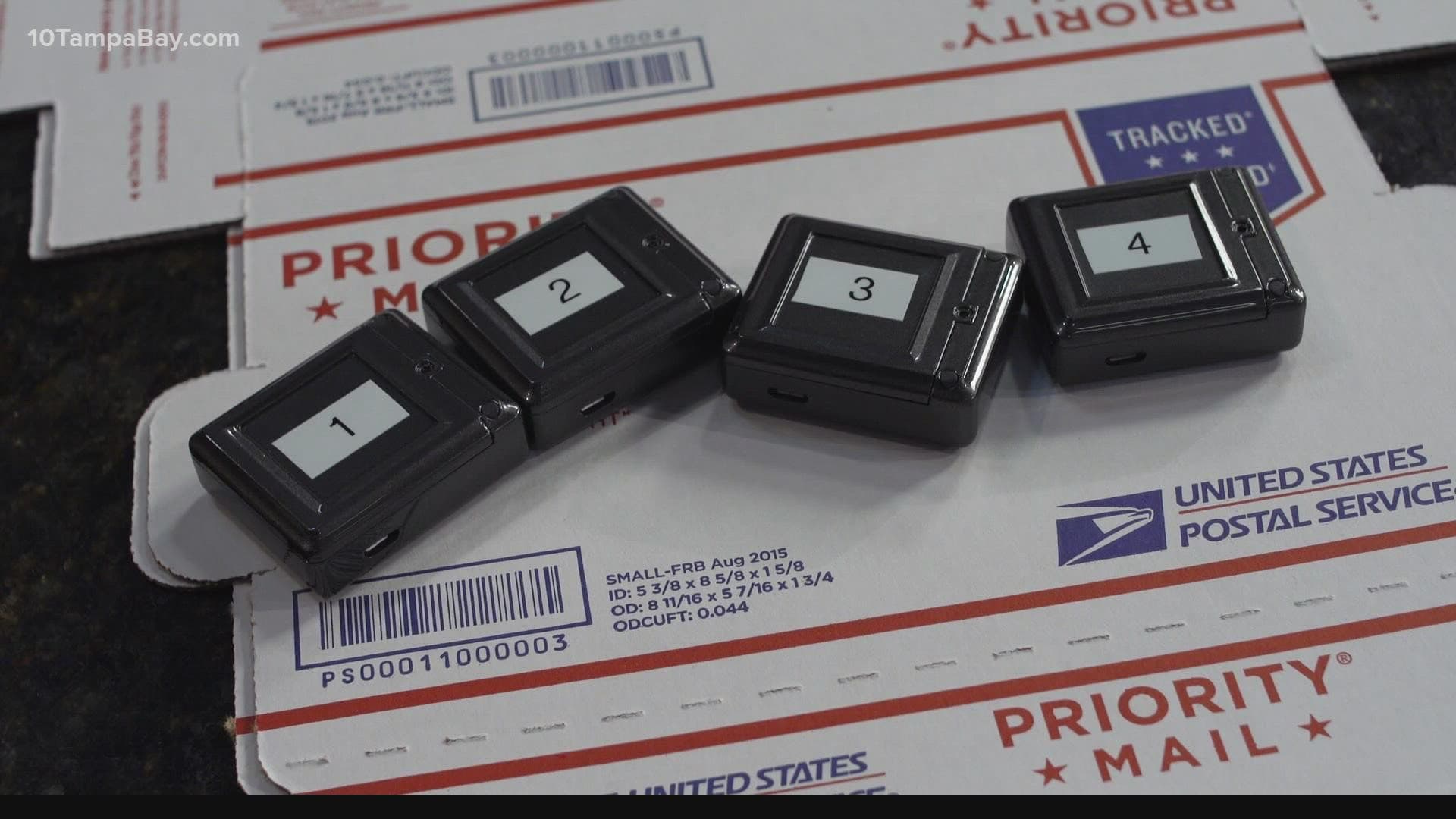
Baltimore City Sheriff’s deputies placed GPS tracked decoy packages in neighborhoods with repeated reports of package theft, aiming to deter so called porch thieves and restore peace of mind for residents. The program began in December and resulted in several arrests, and the operation also surfaced suspects with outstanding warrants, according to the sheriff.
Deputies planted tracked boxes in areas that had experienced recurring thefts, then used the devices to locate and apprehend individuals who took the decoys. Surveillance camera video captured people taking packages near Patterson Park and in other neighborhoods, illustrating the pattern that neighbors described as a holiday season spike in thefts and a year round nuisance for many households.
For residents the program offered quick enforcement action in response to a common complaint, and the arrests provided an immediate sense of relief in targeted blocks. The intervention also carried broader implications for how city law enforcement balances deterrence and privacy, how resources are prioritized, and how success will be measured beyond headline arrests.
The sheriff described the effort as intended to discourage theft and restore peace of mind, while also noting the incidental effect of identifying people wanted on outstanding warrants. That outcome raises policy questions about the dual use of investigative tools for package theft enforcement and other law enforcement objectives. Assessing the program will require data on how many decoy packages were deployed, where they were placed, the number and nature of arrests made, and how long location data is retained.

Community leaders and elected officials who oversee public safety budgets and police accountability will face decisions about whether to expand the strategy, pair it with preventive measures such as improved porch lighting and neighborhood camera registries, or emphasize alternative responses that focus on delivery security and community outreach. Clear reporting on outcomes and safeguards could help build public trust in a tactic that relies on electronic tracking inside residential neighborhoods.
As Baltimore moves beyond the holiday surge, officials will need to show how enforcement results translate into sustained reductions in theft, and provide transparency about oversight, privacy protections, and the allocation of resources to ensure the program addresses community concerns without unintended consequences.
This article was produced by Prism’s automated news system from verified source data, official records, and press releases, then run through automated quality and moderation checks before publishing. The system is built and supervised by the people who set the standards it runs under. Read our full AI policy.
Did this article answer your question?