Baltimore details accountability, phased disbursements for $500M opioid settlement
Baltimore outlines oversight and phased disbursements for more than $500M in opioid settlement funds, targeting prevention, treatment and accountability to reduce overdoses.

City leaders presented a framework to oversee more than half a billion dollars from the national opioid settlement, describing how the money will be distributed, monitored and tied to performance to expand services across Baltimore neighborhoods. The City Council Public Health & Environment Committee received testimony laying out standardized metrics, monthly reporting requirements and a staged payment process intended to ensure funds produce measurable reductions in overdoses and improved treatment access.
Officials said the city plans to allocate roughly $36 million in 2026 to organizations working on prevention, treatment, recovery, harm reduction and social determinants of health, and that another $87 million has already been earmarked for 22 nonprofits. To manage the multi-year funding stream, the Mayor’s Office and City Council adopted standardized performance measures developed with Johns Hopkins Bloomberg School of Public Health, Vital Strategies and the Centers for Disease Control and Prevention. Those measures will be coupled with monthly performance reviews, status reports, site visits, document reviews and corrective actions when projects fall short of benchmarks.
The administration described the use of readiness assessments and phased disbursements as central tools. Grants will be paid in portions, with later tranches released only after grantees demonstrate capacity to implement programs. City officials also outlined plans for monitoring and technical-assistance supports aimed at helping community organizations meet reporting standards and scale services. The approach reflects an effort to balance speed of funding with risk management and accountability, acknowledging the complexity of transforming settlement dollars into frontline services.
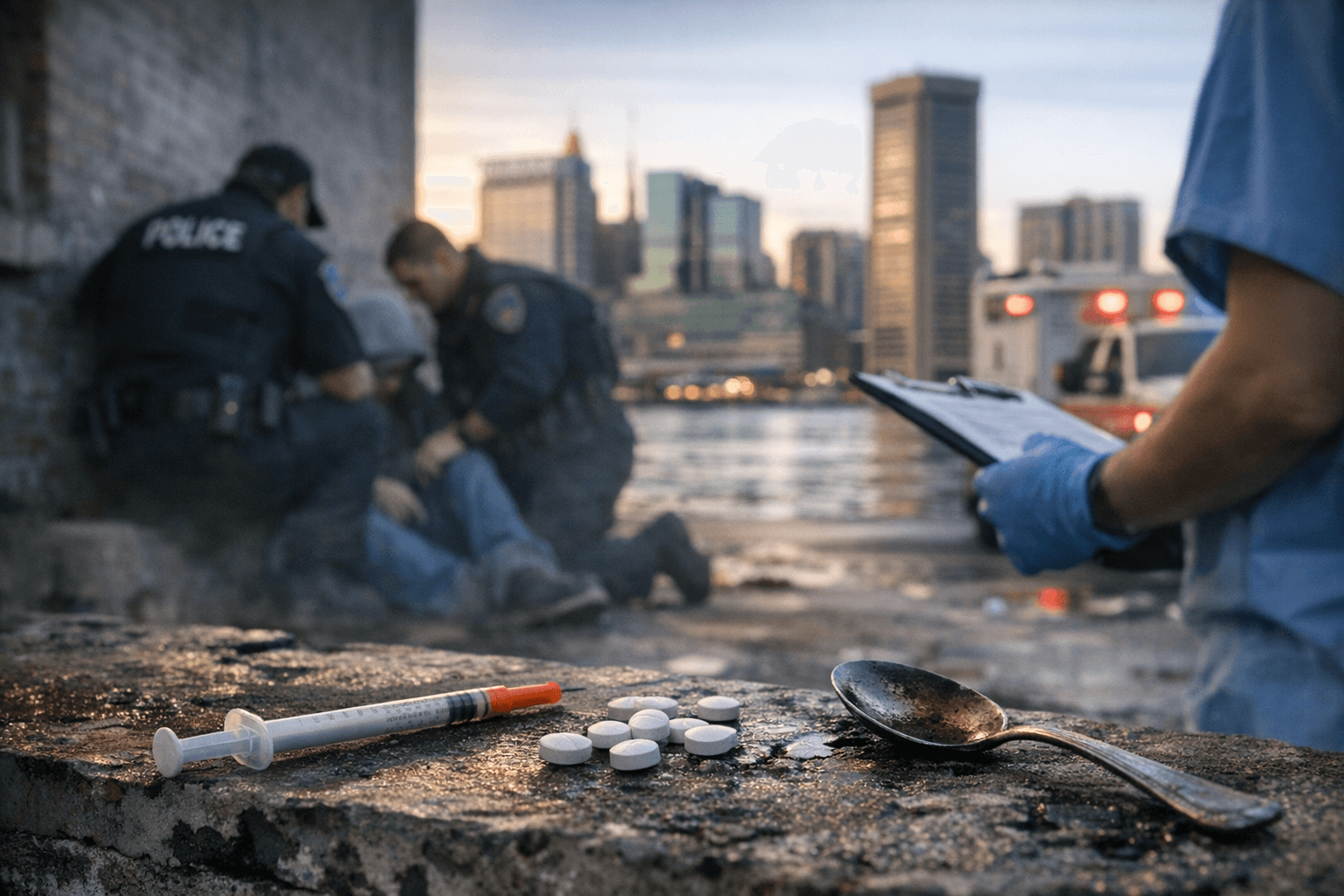
For residents, the immediate impact will be twofold: expanded programming in areas such as harm reduction and recovery, and a stronger emphasis on measurable results tied to continued funding. Neighborhoods that have borne the brunt of the overdose crisis should expect new prevention and treatment options, but organizations seeking grants will face more rigorous oversight and phased cash flows that could slow initial rollouts. The standardized metrics and monthly reviews are intended to surface problems early and trigger corrective actions before projects derail.
The report to the committee framed this governance architecture as an initial design that city officials will refine as programs get underway. Expect the city to publish ongoing status reports and to bring periodic updates back to the Council as grantees move through readiness checks and phased payments. For Baltimoreans following how settlement money reaches their block, the next steps will be implementation, monitoring and whether the new oversight regime can convert settlement dollars into sustained reductions in overdose deaths and broader recovery supports across the city.
This article was produced by Prism’s automated news system from verified source data, official records, and press releases, then run through automated quality and moderation checks before publishing. The system is built and supervised by the people who set the standards it runs under. Read our full AI policy.
Did this article answer your question?