Baltimore documentary challenges crime image, highlights community leaders
Beyond the Wire pushes past The Wire shorthand to center Baltimore families, educators and block leaders as city violence falls and community networks reshape neighborhoods.

Beyond the Wire, the Baltimore Legacy Project documentary from filmmaker S. Rasheem, takes aim at the city’s best-known crime narrative. The film turns instead to Baltimore families, educators, block groups and neighborhood leaders, arguing that those institutions shape opportunity far more than the image outsiders carry of the city.
Rasheem has been building the project since at least 2025, when the work was described as a reflection on the 2015 uprisings after Freddie Gray’s death and on Baltimoreans whose names rarely make it into national coverage. The new film extends that effort into a broader counter-narrative about daily organizing, neighborhood resilience and the people holding communities together block by block.

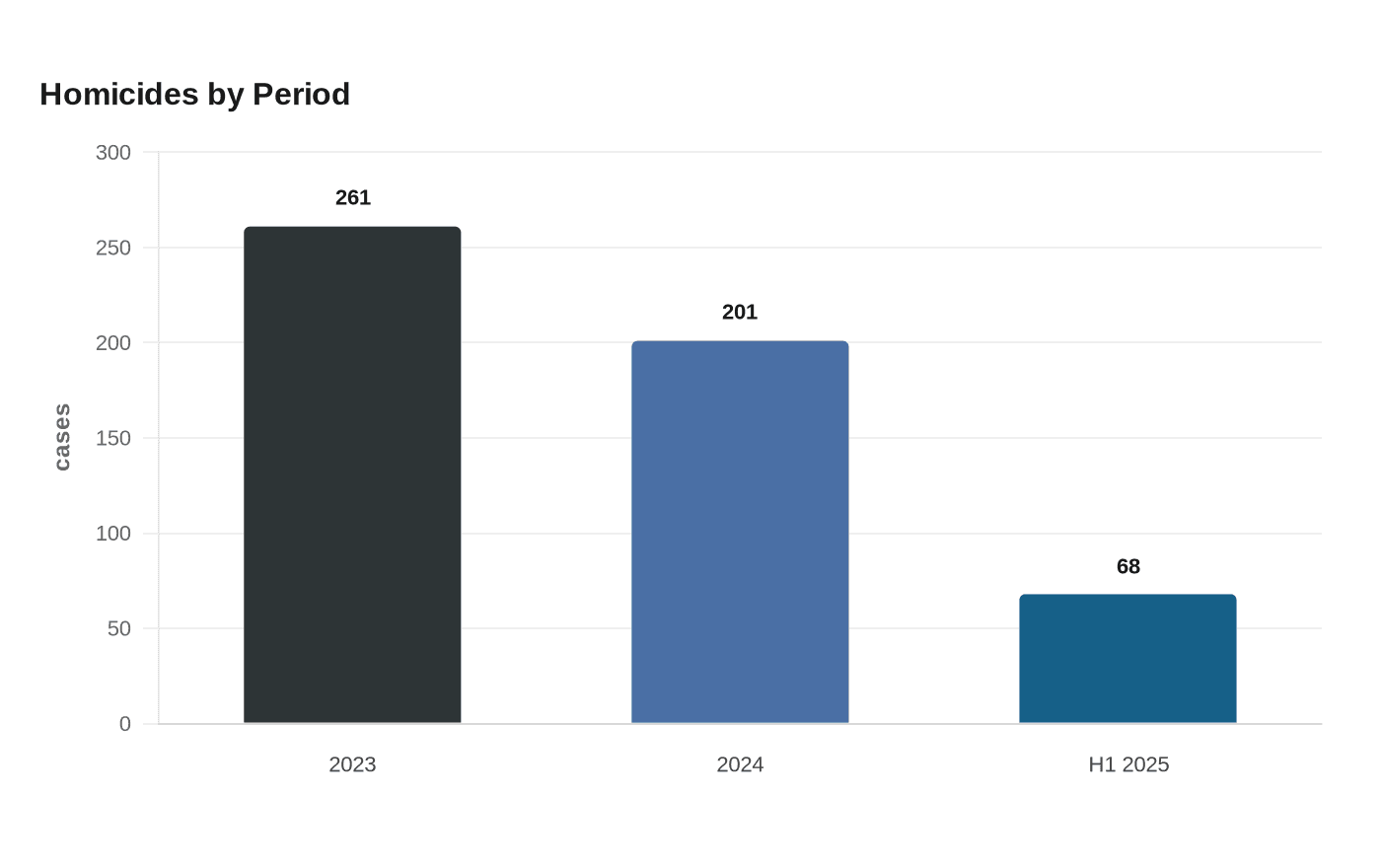
The timing matters because the city’s violence numbers have been moving in the other direction. The Baltimore Police Department said homicides fell 23% in 2024, to 201 from 261 in 2023, while non-fatal shootings dropped 34%, to 414 from 635. The department also said homicides were down again in the first half of 2025, to 68 from 88 a year earlier. The U.S. Attorney’s Office for the District of Maryland said Baltimore City’s violent-crime rate fell for a third straight year in 2024, and the Justice Department said that year brought the city’s lowest homicide total since 2011.
Mayor Brandon Scott has linked those reductions to the Comprehensive Violence Prevention Plan launched in 2021 and to coordination among police, community violence intervention workers and other partners. That context gives the documentary’s argument sharper edges: Baltimore is not only a place that has been talked about through crime statistics, but also a city where public safety gains have been built through local collaboration.

The film also reaches back to the conditions that produced the city’s most familiar images in the first place. A 2024 report from the Maryland Department of Housing and Community Development said Baltimore neighborhoods were shaped by segregation and discriminatory policies, including the 1937 Residential Security Map that redlined areas later associated with the Black Butterfly. A 2025 report from the Baltimore Vacants Reinvestment Council said decades of disinvestment left the city with too many vacant properties, a drag on household stability and neighborhood growth.
Captain Andrew Muhammad, co-founder of We Our Us, appears in the film and helped connect Rasheem with organizations featured in it. We Our Us is described as a men’s anti-violence movement that brings resources, job information and housing help directly into neighborhoods. Baltimore City’s census pages add another layer to the stakes: population counts affect federal funding and representation, which makes the fight over the city’s narrative inseparable from the fight over what the city receives.
This article was produced by Prism’s automated news system from verified source data, official records, and press releases, then run through automated quality and moderation checks before publishing. The system is built and supervised by the people who set the standards it runs under. Read our full AI policy.
Did this article answer your question?


