Baltimore DPW closes operations for rest of Thursday amid extreme heat
Baltimore shut down DPW solid waste operations early Thursday as extreme heat and poor air quality forced service disruptions across the city.
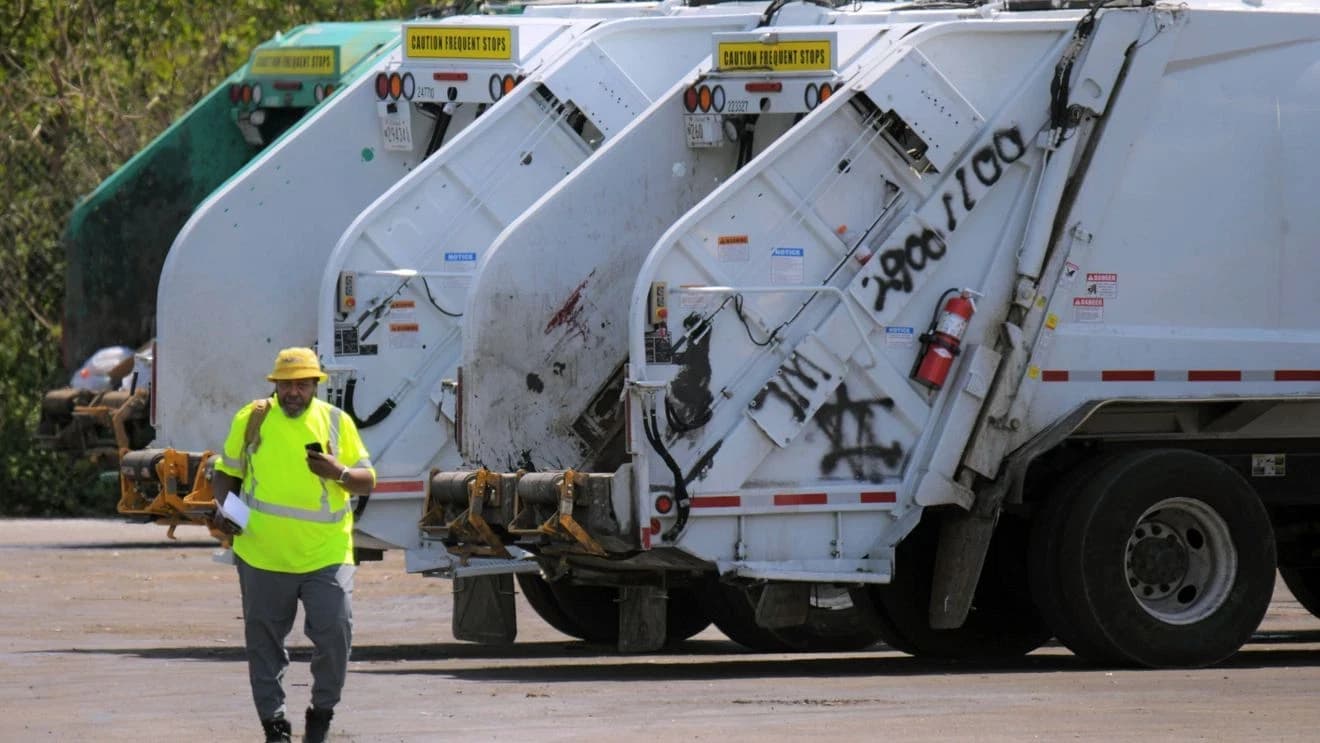
Baltimore’s Department of Public Works shut down its solid waste operations early Thursday, after extreme heat and poor air quality made it unsafe to keep crews on the job. The move immediately put trash and recycling service on a weather-driven footing, with city operations put on hold for the rest of the day.
For residents, the closure can mean delayed maintenance, sanitation-related work, water or infrastructure responses, and customer-service functions that depend on crews working outside. In Baltimore, where many city jobs are done in the heat and in non-air-conditioned settings, a DPW shutdown is more than an internal staffing change: it can slow the pace of the basic services people notice first when something goes wrong.
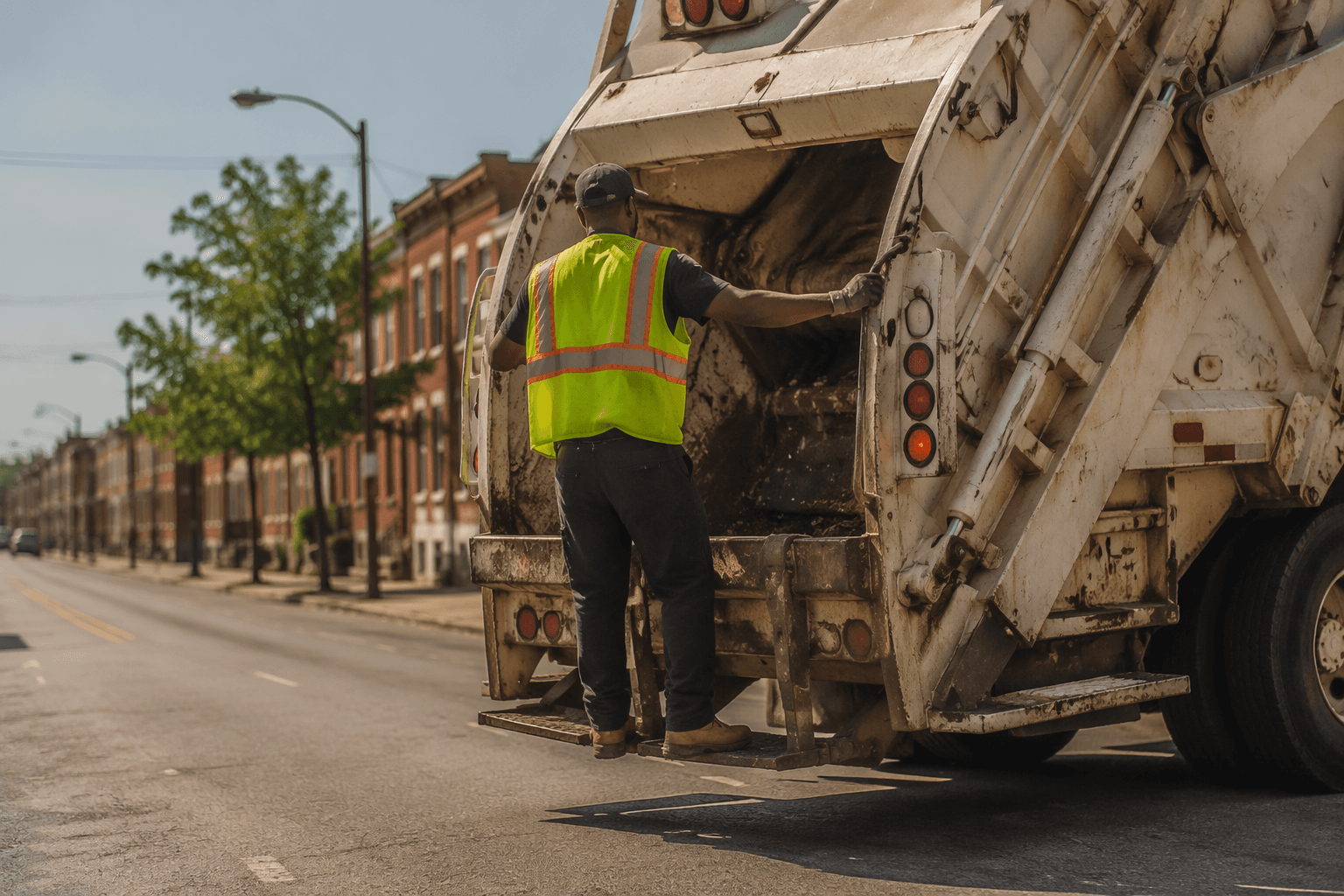
The department had already been forced to reshape service earlier in the month as temperatures climbed. During the city’s Code Red Extreme Heat alert, which the Health Commissioner set for Wednesday, July 15, and Thursday, July 16, DPW paused recycling pickups for the rest of the week and started trash collection earlier. In that earlier adjustment, collections began at 5 a.m. on Friday, July 3, and the department later said normal solid waste operations resumed on Tuesday, July 7, after the extreme heat ended.
Thursday’s closure shows how quickly dangerous weather can ripple through a city government that depends on outdoor labor. Crews have to roll trucks, handle equipment and move through neighborhoods in conditions that can become unsafe within minutes, especially when heat and poor air quality hit at the same time. City officials are balancing worker safety against the need to keep garbage pickup, cleanup work and other essential services moving without major disruption.
The repeated schedule changes also raise a practical question for City Hall: whether Baltimore has a standing heat protocol for essential DPW operations, or whether each Code Red forces a fresh set of stopgap decisions that could point to broader staffing or infrastructure strain. For now, the closure underscores that the heat is not only uncomfortable. It is interrupting the city’s ability to deliver routine services on schedule.
This article was produced by Prism’s automated news system from verified source data, official records, and press releases, then run through automated quality and moderation checks before publishing. The system is built and supervised by the people who set the standards it runs under. Read our full AI policy.
Did this article answer your question?