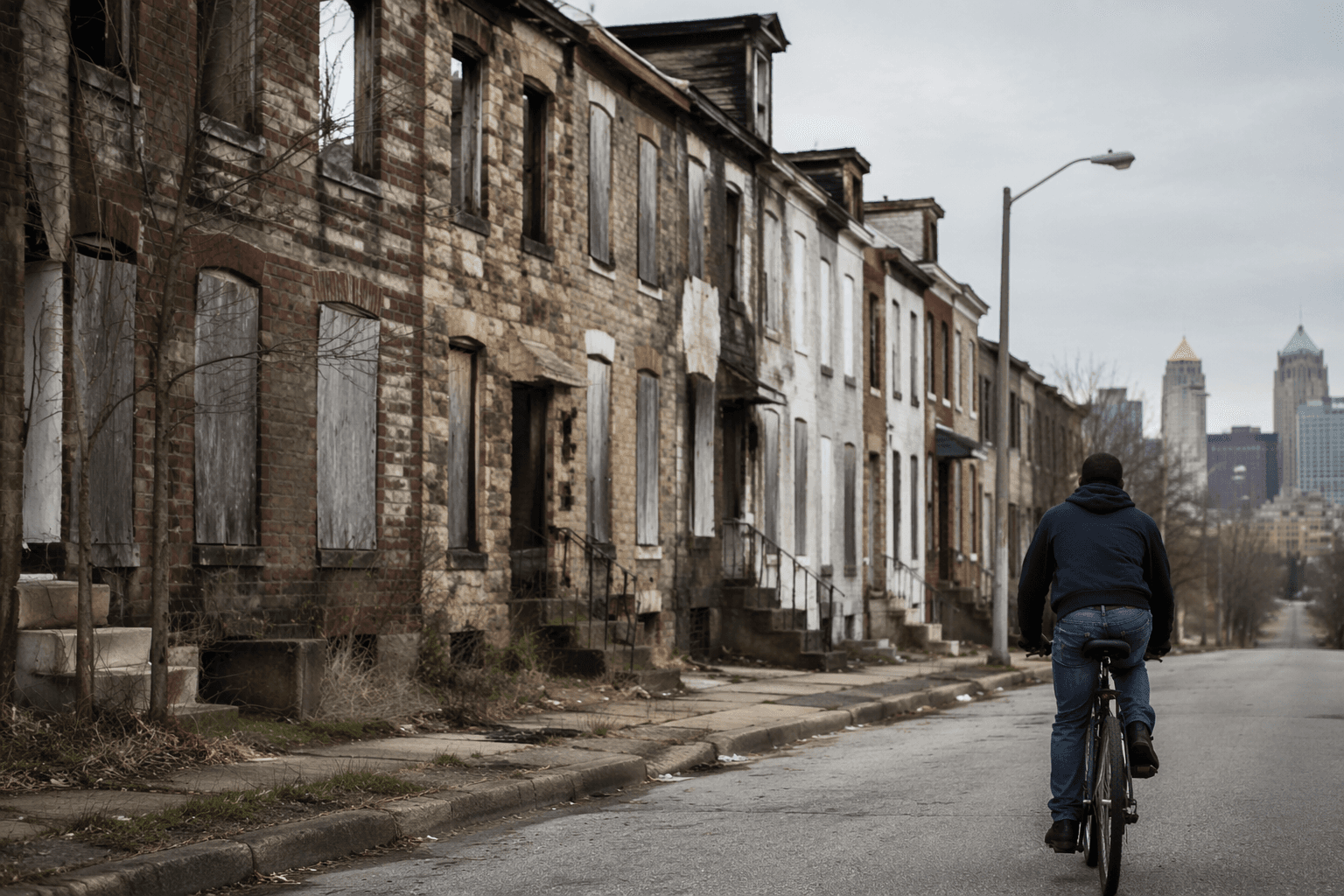
Baltimore Drivers Lose $3,017 Yearly as 62% of City Roads Rated Poor
Baltimore drivers lose $3,017 a year to rough roads, with 62% of major city routes rated poor or mediocre, the worst numbers in Maryland.
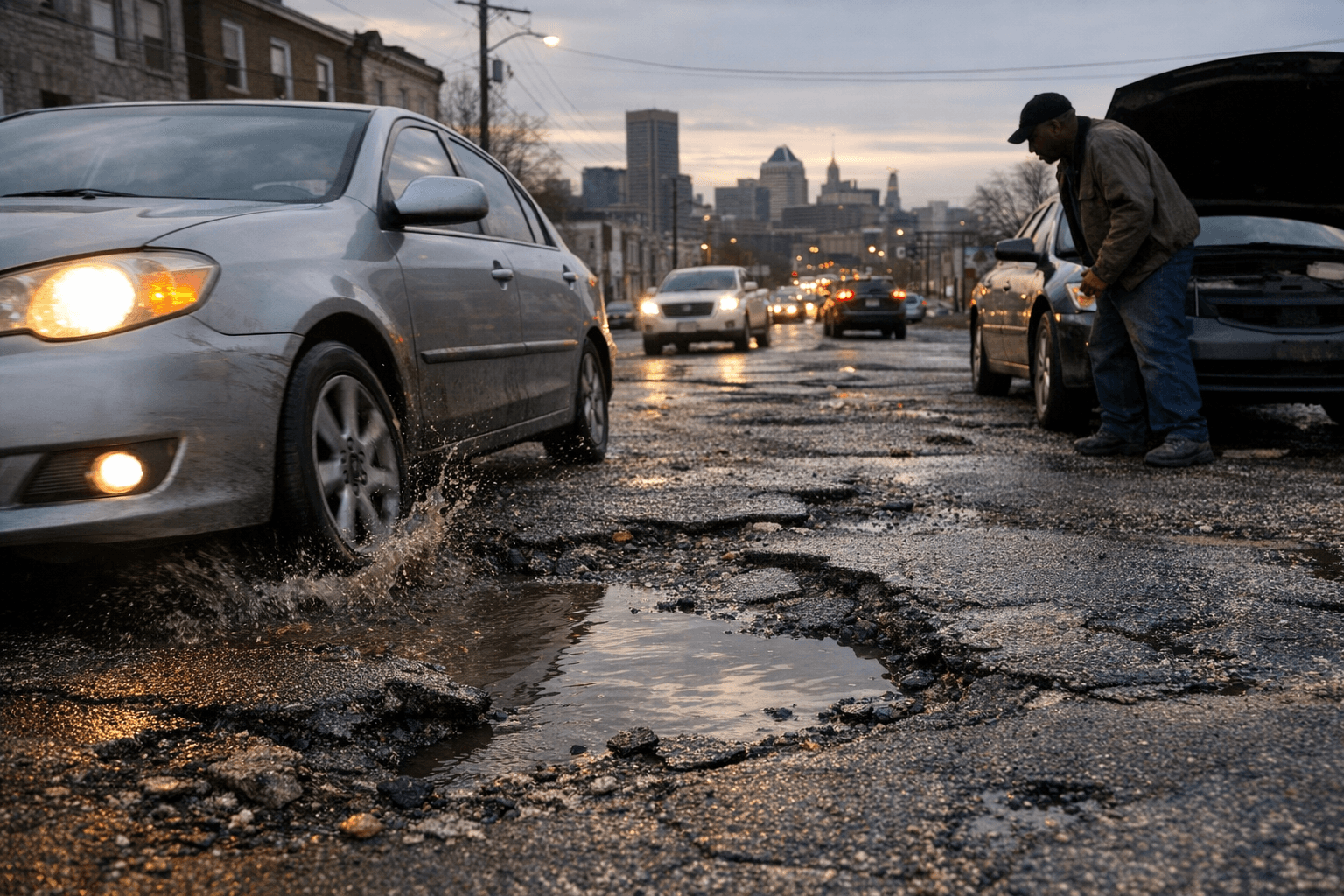
Driving in Baltimore costs more than just gas and insurance. According to an analysis by TRIP, a national transportation research nonprofit based in Washington, the average driver in the Baltimore metro area loses $3,017 every year because of deteriorating roads, traffic congestion and crashes linked to inadequate safety features.
The figure breaks down unevenly across causes. Rough pavement and increased fuel consumption from degraded road surfaces cost Baltimore drivers $954 annually in vehicle operating costs. Congestion accounts for the bulk of the damage: Baltimore drivers sit through roughly 68 hours of delays each year and burn approximately 18 extra gallons of fuel in the process, adding up to about $1,502 in lost time and wasted fuel. TRIP attributes the remaining costs to traffic crashes tied to missing or inadequate roadway safety features.
The underlying pavement conditions driving those costs are stark. TRIP found that 62% of major roads in the Baltimore area fall below good condition, with 41% rated outright poor and 21% mediocre. Comparisons with other parts of Maryland illustrate how far Baltimore stands apart: in the Frederick-Hagerstown region, 25% of roads are rated poor and 18% mediocre. In Maryland's Washington suburbs, which include Montgomery and Prince George's counties, 27% are poor and 24% mediocre. Baltimore's numbers are significantly worse than both. Nearly 5% of bridges in the Baltimore area are rated poor or structurally deficient, with deterioration to supports, decks or other major components.
Rocky Moretti, director of policy and research at TRIP, framed the findings in terms of household affordability. "At a time where I think everyone is concerned with affordability, we think when you look at the additional cost that the public pays because the transportation system is inadequate, it's just unfortunately another cost that the public bears," Moretti said.
Baltimore City's response points to a structural funding problem that predates current leadership. In a recent appearance on The Jay Hill Podcast, Mayor Brandon Scott said Baltimore's capital highway user revenue funding was eliminated during the 2008 recession and has never been fully restored. Scott also noted that Baltimore is the only jurisdiction in Maryland responsible for maintaining all of its roadways, including state routes that run through city limits, a burden no other county or municipality in the state carries alone.
The Baltimore-area numbers sit within a broader statewide crisis. Drivers across Maryland lose about $12.5 billion annually due to road conditions, traffic and crashes, with congestion alone accounting for approximately $6.1 billion of that total. Statewide, 51% of major roads are in poor or mediocre condition, and nearly 4% of local or state-maintained bridges carry a poor or structurally deficient rating.
The 2008 funding cut Mayor Scott describes has compounded over nearly two decades, and the gap between Baltimore's road conditions and the rest of Maryland suggests the city has been absorbing costs that state funding was once designed to offset.
This article was produced by Prism’s automated news system from verified source data, official records, and press releases, then run through automated quality and moderation checks before publishing. The system is built and supervised by the people who set the standards it runs under. Read our full AI policy.
Did this article answer your question?