Baltimore early voting slows, but young voters show strong interest
Baltimore City cast 13,790 early ballots by June 18, and a quieter Highlandtown site still drew younger and first-time voters before the June 23 primary.

A quieter line at Southeast Anchor Library in Highlandtown showed how much slower Maryland’s June primary has been than the 2024 presidential cycle, but it also showed where Baltimore City still stands in the vote count. By June 18, Baltimore City had cast 13,790 early ballots, or 3.39% of 406,947 eligible active voters, even as statewide turnout reached 185,031 ballots, or 5.02% of 3,686,495 eligible active voters.
The slowdown is real. WYPR reported that only 2.26% of eligible voters statewide had voted early by Monday, far below the more than 13.5% at the same point in 2024. That comparison is expected in a year without a presidential race, but the city’s totals still matter because Baltimore remains one of Maryland’s largest voting blocs, and its participation can shape the strength of the June 23 primary.
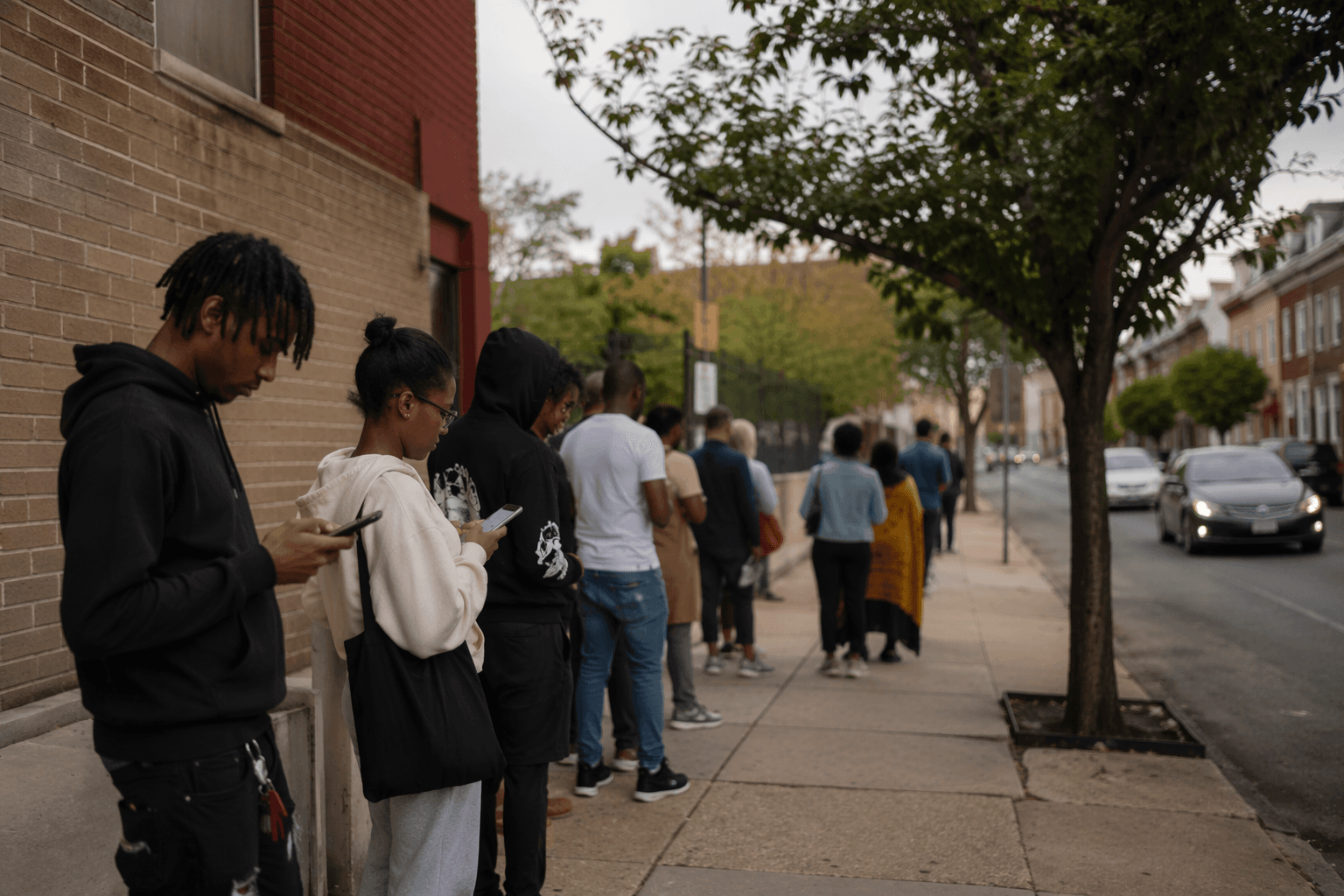
At the Southeast Anchor Library, 3601 Eastern Avenue in Highlandtown, an Early Voting Site sign marked one of Baltimore City’s nine early voting centers. Election judge Crystal Jenkins, who has worked election duty in Baltimore for 28 years, said she had seen more younger voters and first-time voters than expected, even with a shorter line than in the last presidential election. That matters in a city where the question is not only how many people vote, but which neighborhoods and age groups show up when the ballot does not include a presidential contest.
For Baltimore voters who still want to participate, the calendar has tightened. Early voting ran from June 11 through June 18, and the mail-in ballot request deadlines of June 16 for ballots mailed to voters and June 19 for download-and-print ballots have already passed. The next and final chance to vote is Primary Day on Tuesday, June 23.
Maryland election officials say early voting totals do not include provisional or absentee voters, so the numbers now on the board are only part of the full picture. Even so, the early count already shows a Baltimore electorate that is smaller than in 2024, but still engaged enough to keep the city central to the primary.
This article was produced by Prism’s automated news system from verified source data, official records, and press releases, then run through automated quality and moderation checks before publishing. The system is built and supervised by the people who set the standards it runs under. Read our full AI policy.
Did this article answer your question?