Baltimore Expands Non-Police Crisis Response, Backed by Opioid Settlement Funds
A clinician, not a cop, met a sobbing 38-year-old in a fast-food parking lot. Now Baltimore wants opioid settlement money to make that response available around the clock.
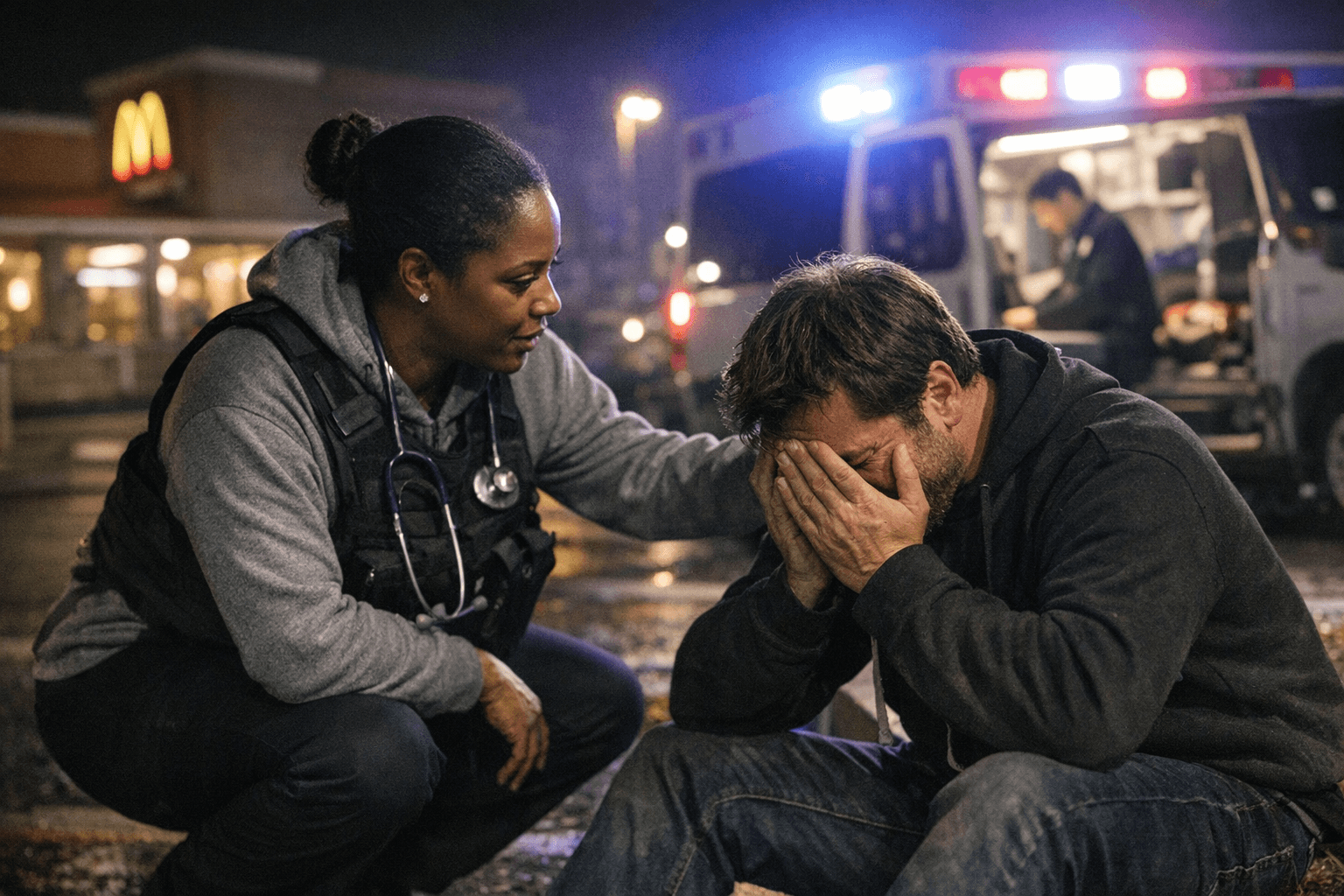
When a 38-year-old woman called 911 from a fast-food parking lot in acute distress, the dispatcher routed her not to police but to Michala Williams, a mental health clinician with Baltimore's Mobile Crisis Team. Williams found the woman sobbing and overwhelmed: multiple children to care for, serious health problems, a fiancé just sent to jail, and a feeling she was a danger to herself. Over the next hour, Williams connected her to a psychiatrist referral, a therapist, legal assistance and a case manager to assess government benefits for her child with autism.
It was precisely the outcome the woman had hoped for months earlier, when she drove herself toward a hospital seeking help and instead ended up arrested after being pulled over for a tag infraction while in a distressed state.
That contrast sits at the center of Baltimore's push to expand non-police crisis response, and the city now has an unusual financial tool to do it. Baltimore has reached opioid settlements totaling $579.9 million before legal fees and repayment of litigation costs, and city officials are directing portions of those funds toward building a potential 24/7 mobile crisis capacity. Currently, the Mobile Crisis Team operates with limited hours and focuses primarily on mental health calls; the settlement money could add staff, extend shifts and fund intervention models designed to reach people before a situation escalates into a public safety emergency.
Sara Whaley, Baltimore's executive director of overdose response, told the City Council in January that the city's safety net has a structural blind spot. "In our ecosystem there is a gap for more preventative models that engage with individuals before situations become a medical or safety emergency," she said.
For residents navigating when to call 911, the practical shift works like this: a dispatcher can route certain mental health and substance-related calls away from police to a clinician-peer team, as happened in that parking lot. Embedded behavioral health clinicians began working inside the 911 center in 2025 to help call-takers identify which calls qualify in real time.
Scaling the system carries real obstacles. Staffing clinicians around the clock, writing clear dispatch protocols, and tracking outcomes including arrest reductions, ER diversions and repeat crisis calls will all require sustained coordination between the Health Department, emergency communications, and social service providers.
Baltimore recorded nearly 800 opioid overdose deaths in 2024. Whether settlement dollars can convert that toll into a functioning daily alternative to police response is what the next phase of spending will test.
This article was produced by Prism’s automated news system from verified source data, official records, and press releases, then run through automated quality and moderation checks before publishing. The system is built and supervised by the people who set the standards it runs under. Read our full AI policy.
Did this article answer your question?