Baltimore firefighters warn equipment shortages may slow 911 responses
As many as 10 Baltimore fire apparatus were out of service last week, leaving five still down by Monday and forcing 40 firefighters to cover gaps.
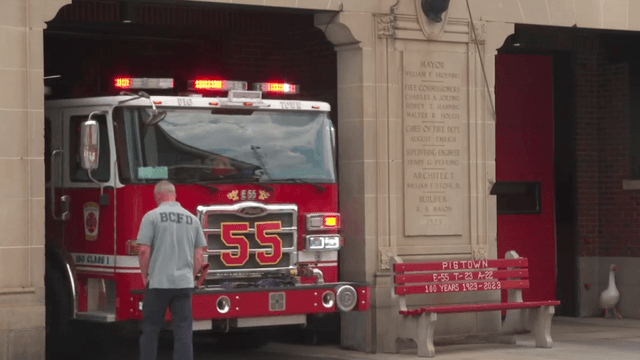
As many as 10 fire suppression apparatus were out of service at the end of last week and five were still sidelined by Monday afternoon, leaving Baltimore’s 911 response system with a thinner margin of safety. The Baltimore City Firefighters’ Union said the shortage meant fewer engines, ladder trucks and squad vehicles available to reach fires and other emergencies, and roughly 40 firefighters had to be reassigned to other companies to keep open gaps covered.
Union president Matthew Coster said every down unit created an unacceptable delay and that the department had been stretching personnel to compensate. City Councilwoman Odette Ramos said the city was trying to hire more mechanics and better manage the fleet. The fire department said only active units remained ready to respond as repairs moved forward. The city’s fleet management division oversees more than 4,000 motorized pieces of equipment for 29 agencies, including fire apparatus such as engines and ladder trucks.
The Department of General Services tracks maintenance planning in the FASTER system, and its facilities are closed on weekends except for emergencies or urgent need. Baltimore City’s fiscal 2026 fire budget materials set a goal of 90 percent for first-engine arrival within 5 minutes, 20 seconds, and the same budget presentation reallocated funding for supplies to support routine repairs at fire stations. Prolonged outages affect engines, trucks, heavy rescue units and medic units that are part of the city’s response.
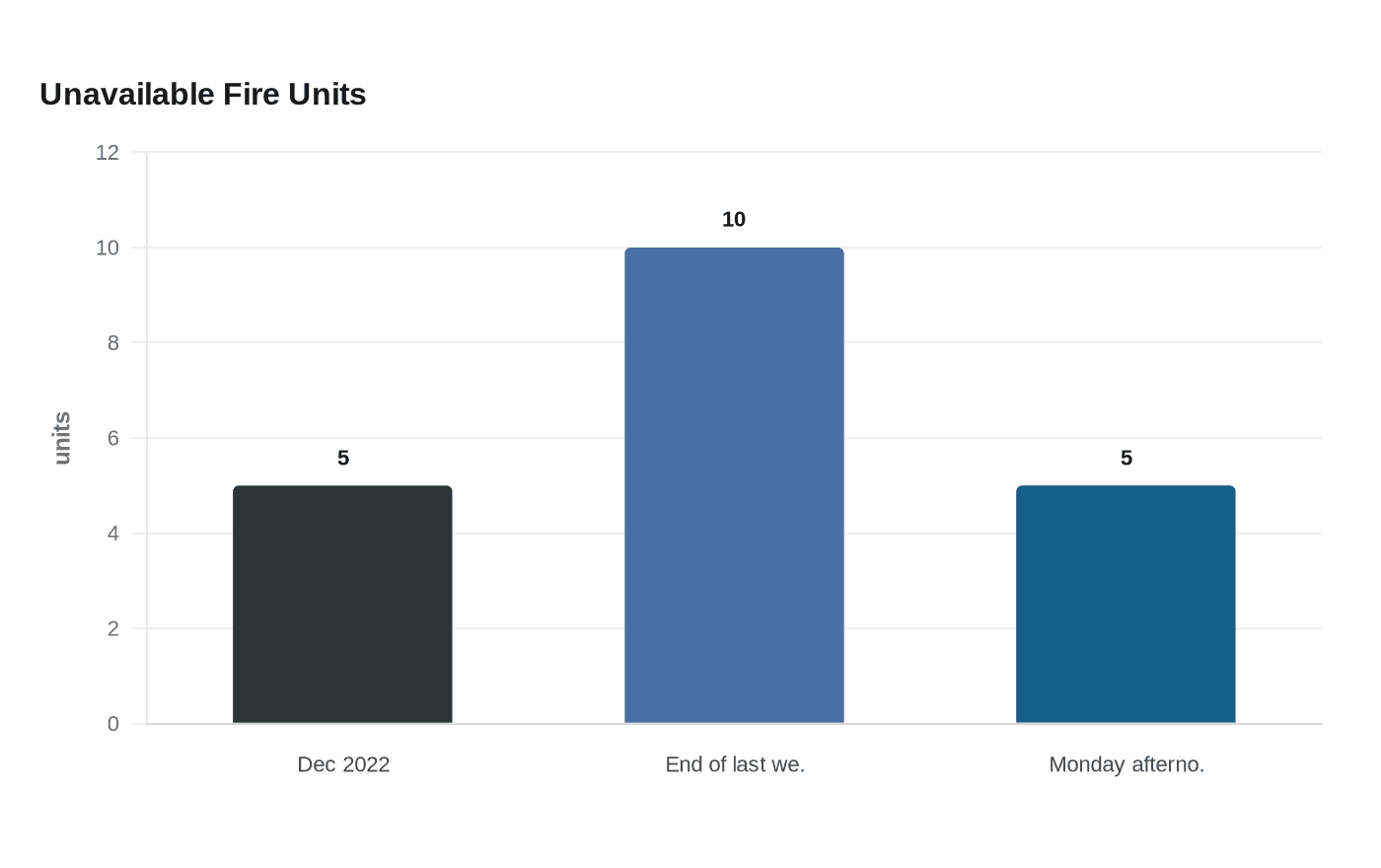
In December 2022, fire officials told the City Council that inflation, stagnant budgets and supply chain problems had kept five trucks off the street and cut the fleet by about 30 percent, leaving the department operating at roughly 70 percent capacity. In early 2023, the department was running with about 30 percent fewer fire engines than it needed to properly cover Baltimore City, and fire leaders sought up to $39 million to confront the shortage. The city later increased funding for engines and fleet replacement in fiscal 2024.
This article was produced by Prism’s automated news system from verified source data, official records, and press releases, then run through automated quality and moderation checks before publishing. The system is built and supervised by the people who set the standards it runs under. Read our full AI policy.
Know something we missed? Have a correction or additional information?
Submit a Tip