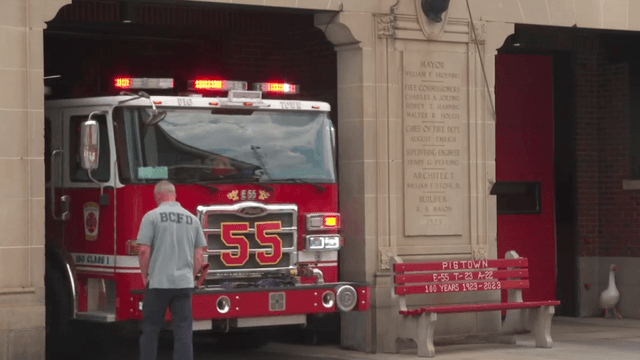
Federal Hill residents press Baltimore leaders on trash, crime, and upkeep
Federal Hill residents say trash, rats, graffiti and open-air drug use are making the neighborhood feel less safe for walking, dining and parking. Peter Coolbaugh says months of complaints have sent him into a 311 loop.
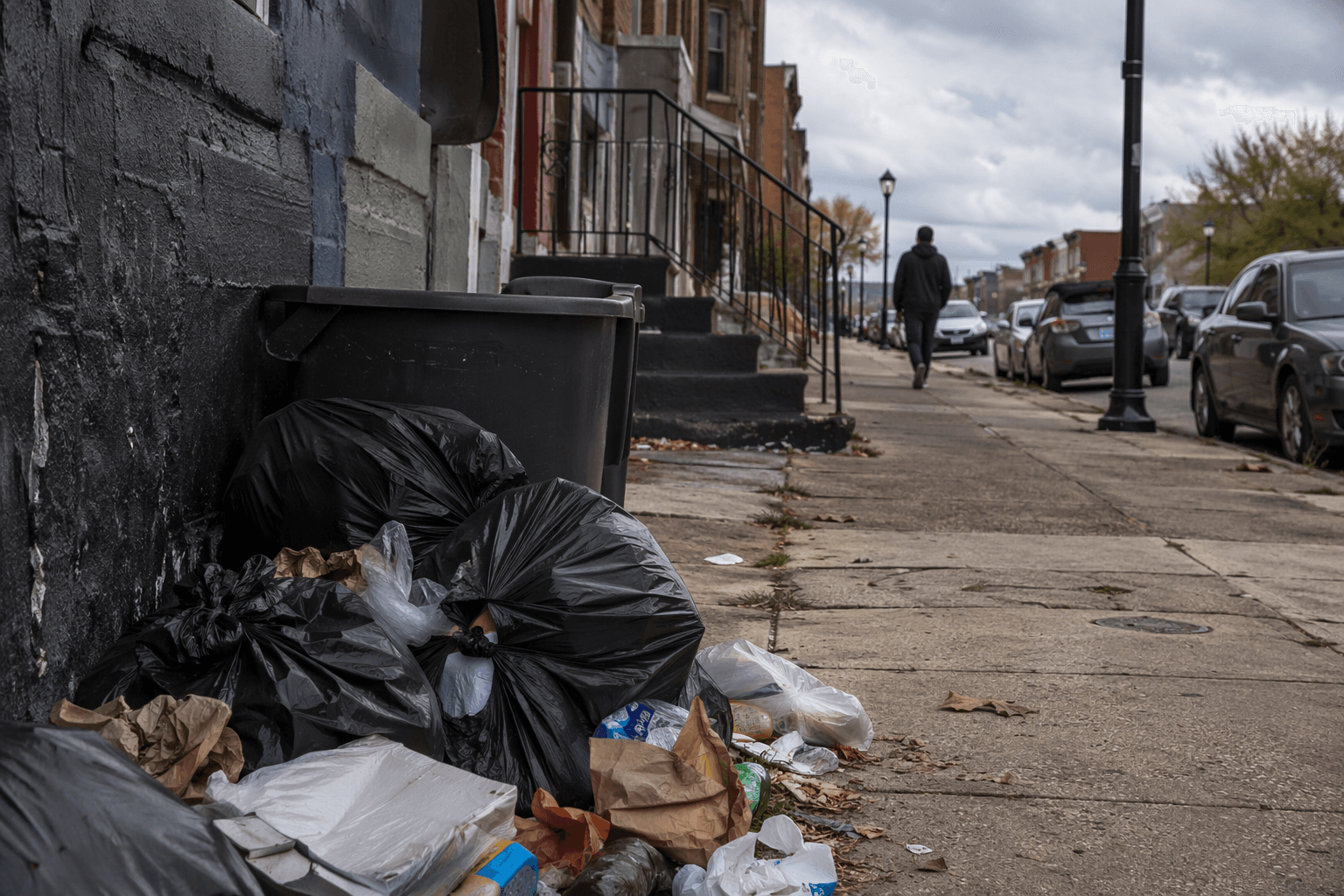
Peter Coolbaugh has spent months documenting the same Federal Hill problems over and over: overflowing trash, graffiti, rat activity, homeless encampments, open-air drug use, package theft and parking-enforcement frustrations. The complaints have turned a neighborhood known for restaurants, nightlife and walkability into a test of whether Baltimore can keep a high-profile commercial district clean and orderly enough for people to live there and bring guests there.
Coolbaugh said he has been contacting city officials since November 2025 and keeps being routed back to Baltimore 311, which he said feels like a slow, repetitive loop rather than a fix. That frustration has become part of the larger complaint from Federal Hill, where residents say everyday upkeep problems are now shaping how safe the area feels on sidewalks, in alleys and near storefronts.
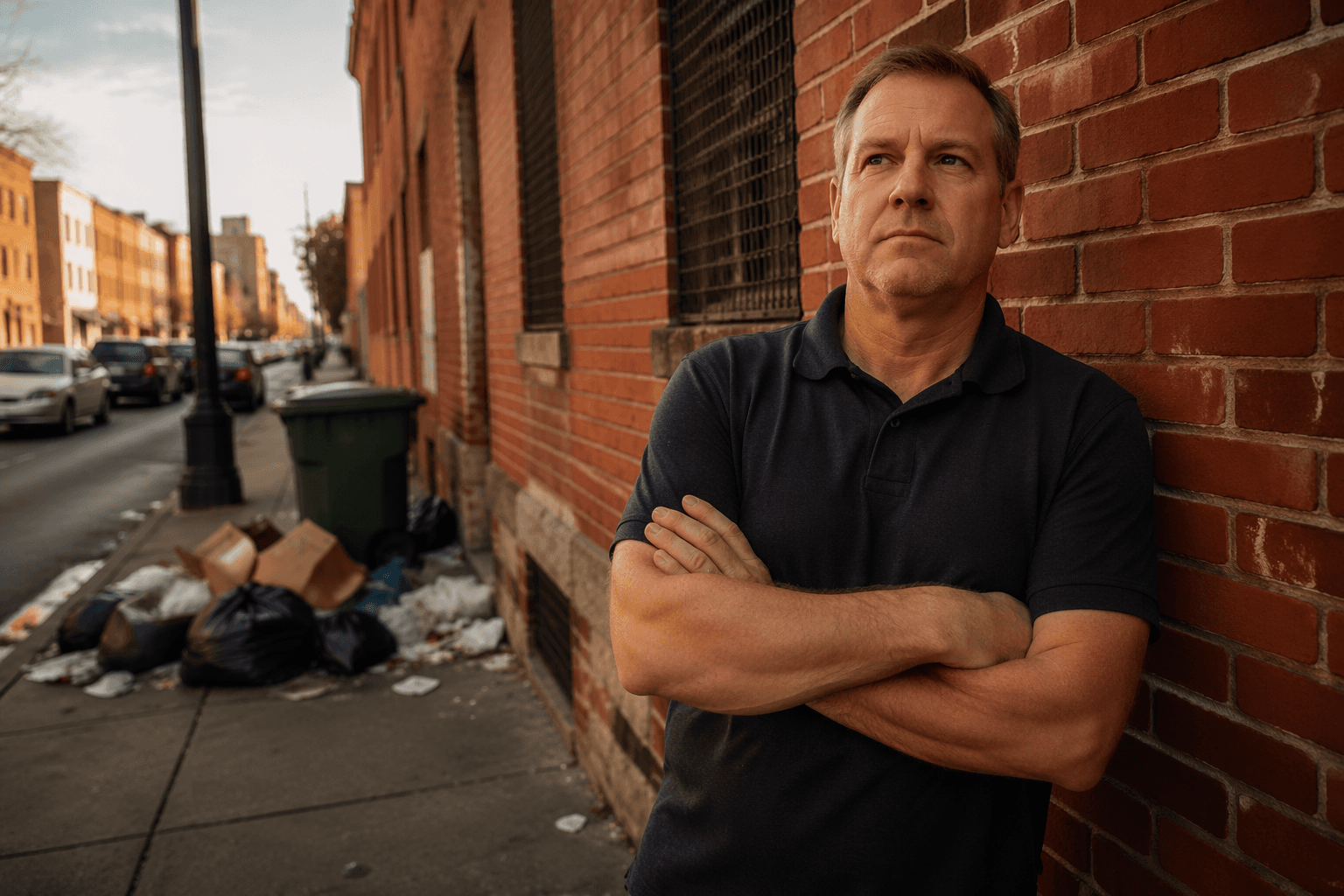
City Councilman Zac Blanchard, who represents District 11, acknowledged the concerns and said he takes them seriously. But residents pushing for faster action say acknowledgement is not the same as visible change, especially in a neighborhood where trash piles, graffiti and broken-down public spaces can affect business traffic and the willingness of people to walk home at night or host visitors.
Baltimore’s own service pages point residents to 311 for issues including missed trash, potholes and graffiti, with service requests viewable through the 311 portal. The city says its call center operates daily from 6 a.m. to 10 p.m., while the app and web portal are available 24 hours a day. The Department of Public Works says residents who think they have rats should call 311 or submit an online request so the Rat Rubout program can inspect and potentially bait the area.
The city also says graffiti removal is intended to keep public spaces clean and that graffiti can signal blight, invite more criminal activity and reduce property values if it is left in place. That warning lands hard in Federal Hill, a very small, dense neighborhood of about 2,121 people with a median household income of about $145,405 in 2023, where visible disorder is hard to miss and harder to ignore.
Federal Hill also carries a long civic memory. Baltimore says the hill was part of Maryland’s 1788 celebration of ratification of the U.S. Constitution, later home to an observatory opened in 1797 to help merchants spot ships in the harbor, and a fortified site tied to the War of 1812 and the Civil War. Today, residents say the question is more immediate: whether city leaders can keep the neighborhood livable enough for the people who already live, work and spend money there.
This article was produced by Prism’s automated news system from verified source data, official records, and press releases, then run through automated quality and moderation checks before publishing. The system is built and supervised by the people who set the standards it runs under. Read our full AI policy.
Know something we missed? Have a correction or additional information?
Submit a Tip