Baltimore Forest Service research station faces closure in federal overhaul
Baltimore could lose a federal data hub that tracks forests from the Northeast to Minnesota, threatening jobs and research tied to the city’s urban canopy.
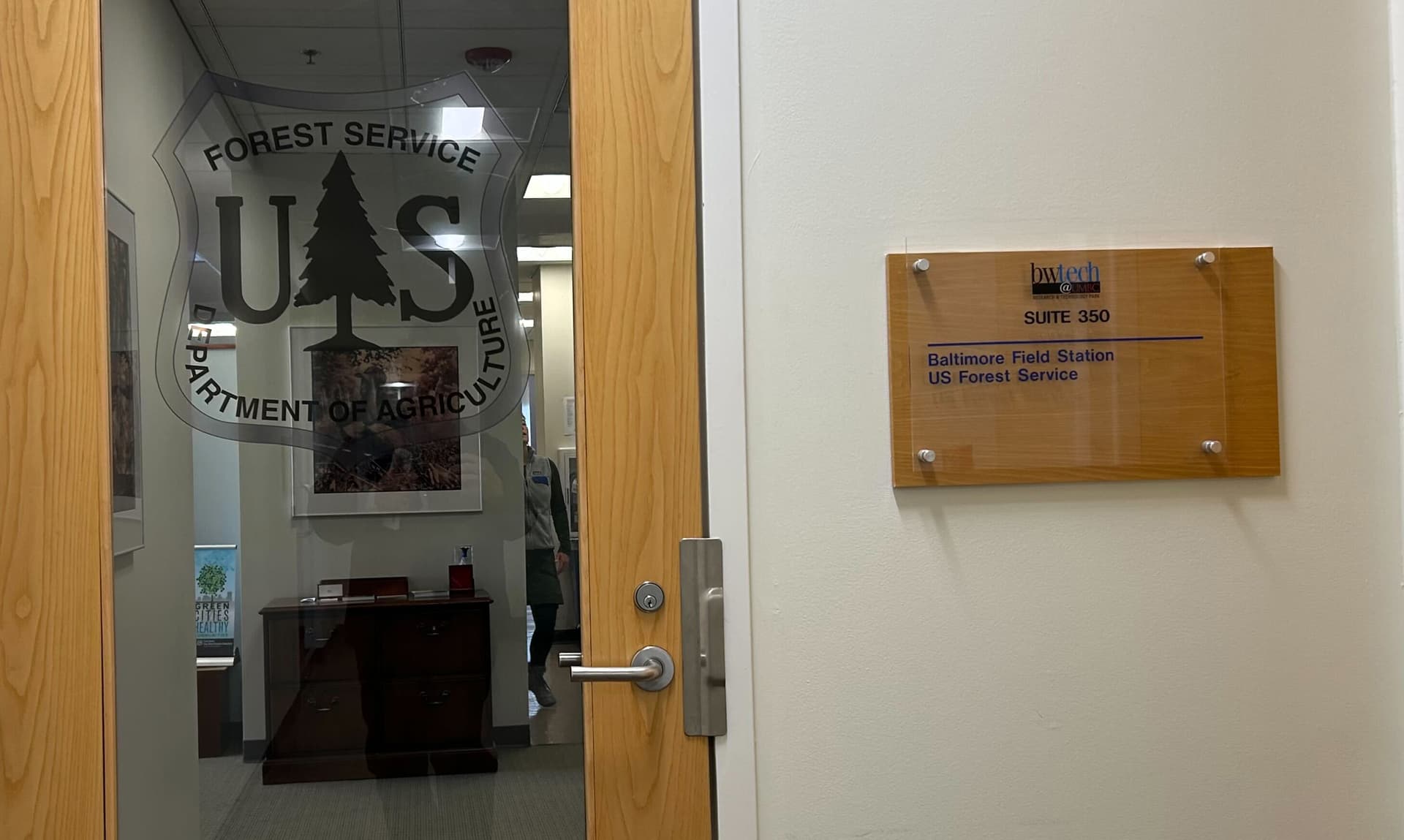
Baltimore’s Forest Service research station is on the chopping block in a federal overhaul that would close more than 50 research stations nationwide, putting local jobs and decades of forest science at risk. In a city where tree cover, heat, and stormwater shape daily life block by block, the loss would reach far beyond one office.
The U.S. Forest Service’s March 31 reorganization plan calls for moving headquarters to Salt Lake City, shifting to a state-based leadership model, and consolidating its research stations into one national Research and Development organization in Fort Collins, Colorado. The agency said all regional offices will close. It also said experimental forests and ranges will remain open, though some under-used facilities there could be shuttered.
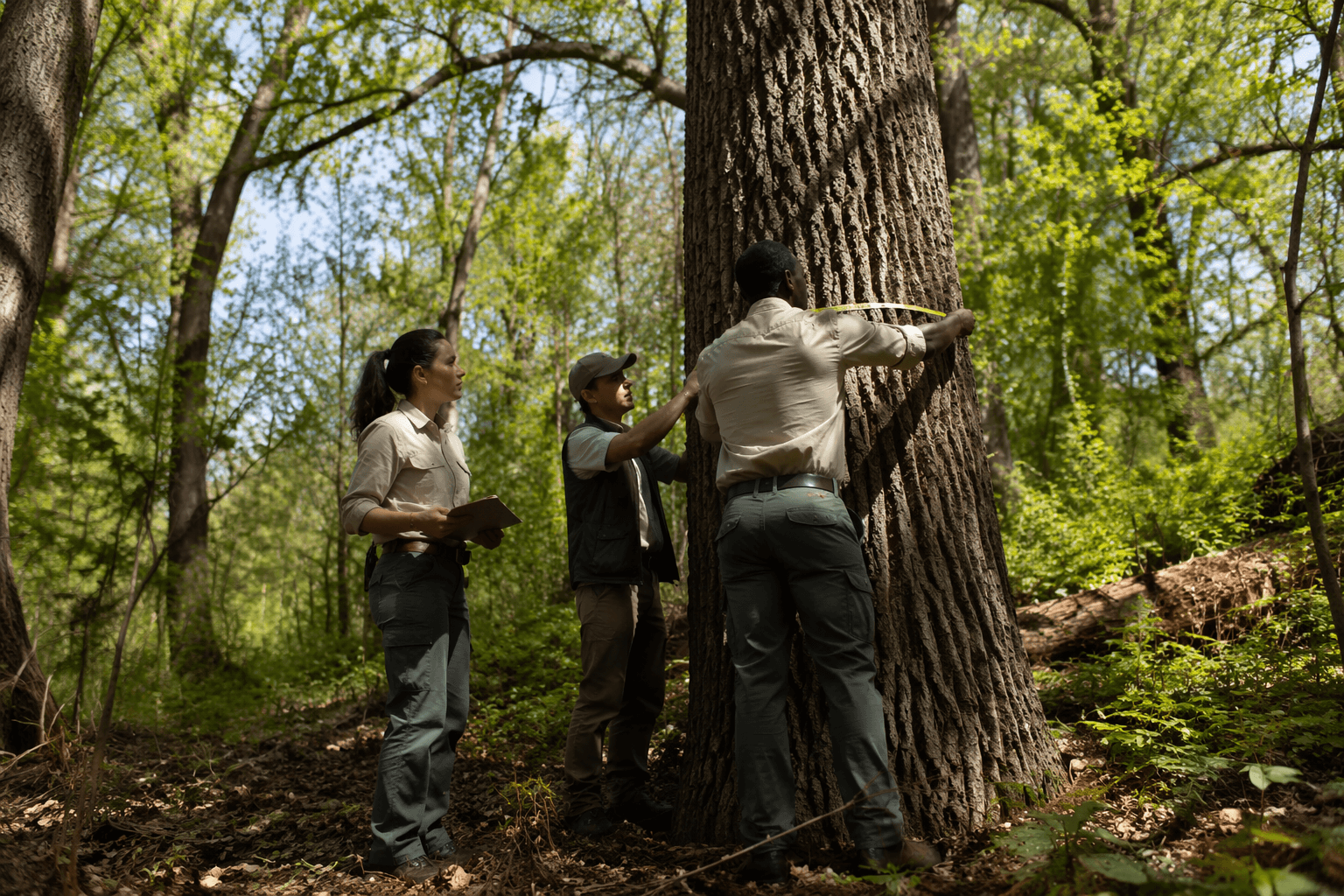
For Baltimore, the concern is not just bureaucratic. The local research station has served as a data hub for long-term forest studies across the Northeast and as far west as Minnesota, making it one of the places where the agency’s eastern forest record is built year after year. Former team leader Mark Grove, who retired at the end of March after layoffs and early retirements tied to Department of Government Efficiency cuts, said the work there was mission-oriented science focused on real-world problems rather than short-term profit.
One of the projects Grove said is most at risk is a long-running American white oak study run with Cylburn Arboretum and partners up and down the Eastern Seaboard. Cylburn’s Native Oak Regeneration study stretches from Massachusetts to Maryland, with test sites in Springfield, Massachusetts; New Haven, Connecticut; Philadelphia; and Baltimore City. Grove said white oak matters not only ecologically but economically, since it is used for firewood, construction, flooring, paneling, furniture, and the barrels that feed the rye and bourbon whiskey supply chain.
Baltimore’s research footprint also includes the Baltimore Urban Field Station, part of the Forest Service’s Urban Field Station network and experimental forest system. The Northern Research Station says it includes 22 official and two cooperating experimental forests in 13 states, and the Baltimore cooperating experimental forest is tied to the Baltimore Ecosystem Study. That project began in 1997 and became a National Science Foundation Long-Term Ecological Research site in 1998, bringing together researchers and educators from more than 30 colleges, universities, community groups, and government agencies. Its work has fed education and decision-making in metropolitan Baltimore.
The stakes are especially clear at Cylburn Arboretum, which says it became a public site for the study of natural history in 1954 and that Baltimore City forests are under pressure from invasive species, deer overabundance, and climate change. Losing the station would mean more than a federal address leaving town. It would mean losing local expertise, long-term measurements, and the kind of research Baltimore has relied on to understand and protect its canopy, its neighborhoods, and the land beneath them.
This article was produced by Prism’s automated news system from verified source data, official records, and press releases, then run through automated quality and moderation checks before publishing. The system is built and supervised by the people who set the standards it runs under. Read our full AI policy.
Did this article answer your question?