Baltimore jury awards $1 million in state van injury case
A Baltimore jury awarded Thiwite DeChamps $1.05 million after he said he was hurt in a state van with no seatbelts. The verdict puts Maryland’s custody-transport safeguards under scrutiny.

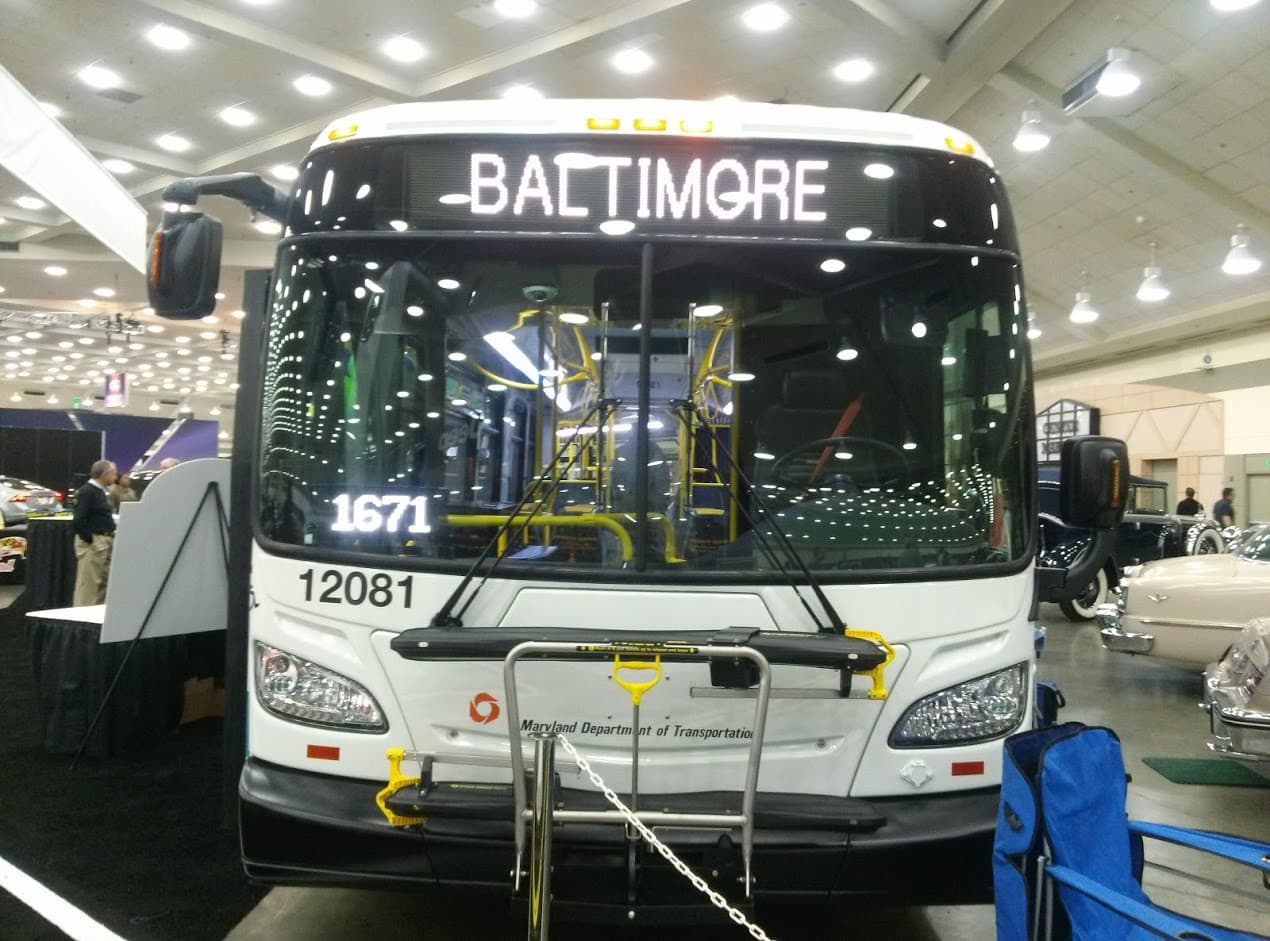
A Baltimore jury awarded Thiwite DeChamps $1.05 million after he said he was injured during a ride in a state-operated van that had no seatbelts. The verdict, handed down in Baltimore on Aug. 5, gives a seven-figure price tag to a case centered on how Maryland moves people in custody.
DeChamps was described as formerly incarcerated. The award suggests jurors accepted that something went seriously wrong during transport, turning a routine move between state facilities or court into a major liability case for Maryland.
The size of the verdict matters beyond one plaintiff. It raises questions about whether the state has tightened van transport policies, required safer restraint systems, improved driver and officer training, or set clearer medical-response standards for injuries that happen in transit. If those safeguards have not changed, DeChamps’s case may stand as a warning to other people moved in the same system.
The verdict also carries a clear financial consequence for taxpayers. A $1.05 million award can drive up the state’s exposure in similar claims, especially if other detainees or formerly incarcerated people allege the same kind of unsafe transport conditions. Even one case of this size can affect settlement posture, insurance planning, and how aggressively state agencies defend custody-related lawsuits.

Baltimore has long been a place where state and city liability disputes land in court, and this case adds to that record. The central allegation was not a street-crime injury or a public-safety emergency outside a courthouse. It was harm inside a vehicle run by the state, in a setting where the basic duty of care is supposed to be highest.
The question now is whether Maryland has made any changes after the verdict to the way it transports detainees and prisoners. The jury’s decision suggests the issue is not just legal, but institutional: what protections are in place, who is responsible for them, and what happens when they fail.
This article was produced by Prism’s automated news system from verified source data, official records, and press releases, then run through automated quality and moderation checks before publishing. The system is built and supervised by the people who set the standards it runs under. Read our full AI policy.
Did this article answer your question?