Baltimore launches design contest to reimagine gateway corridors
Baltimore's gateway contest zeroed in on Russell, Conway and President streets, with a public tour showing how the city wants its front doors reworked.
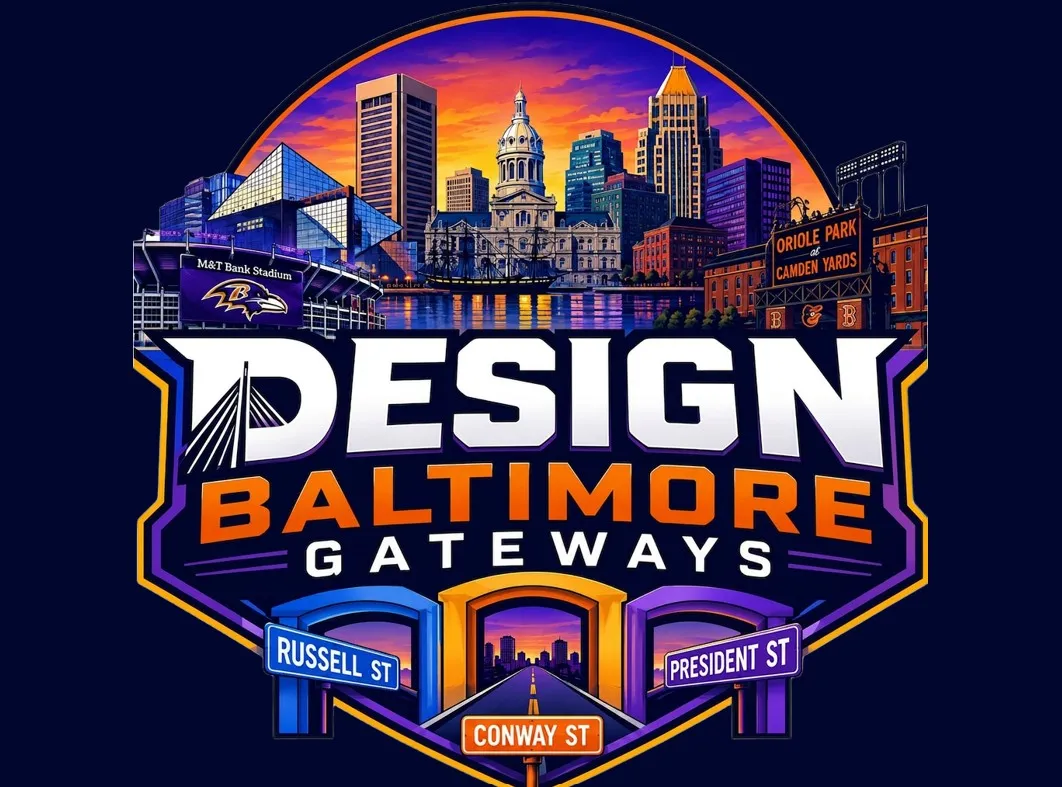
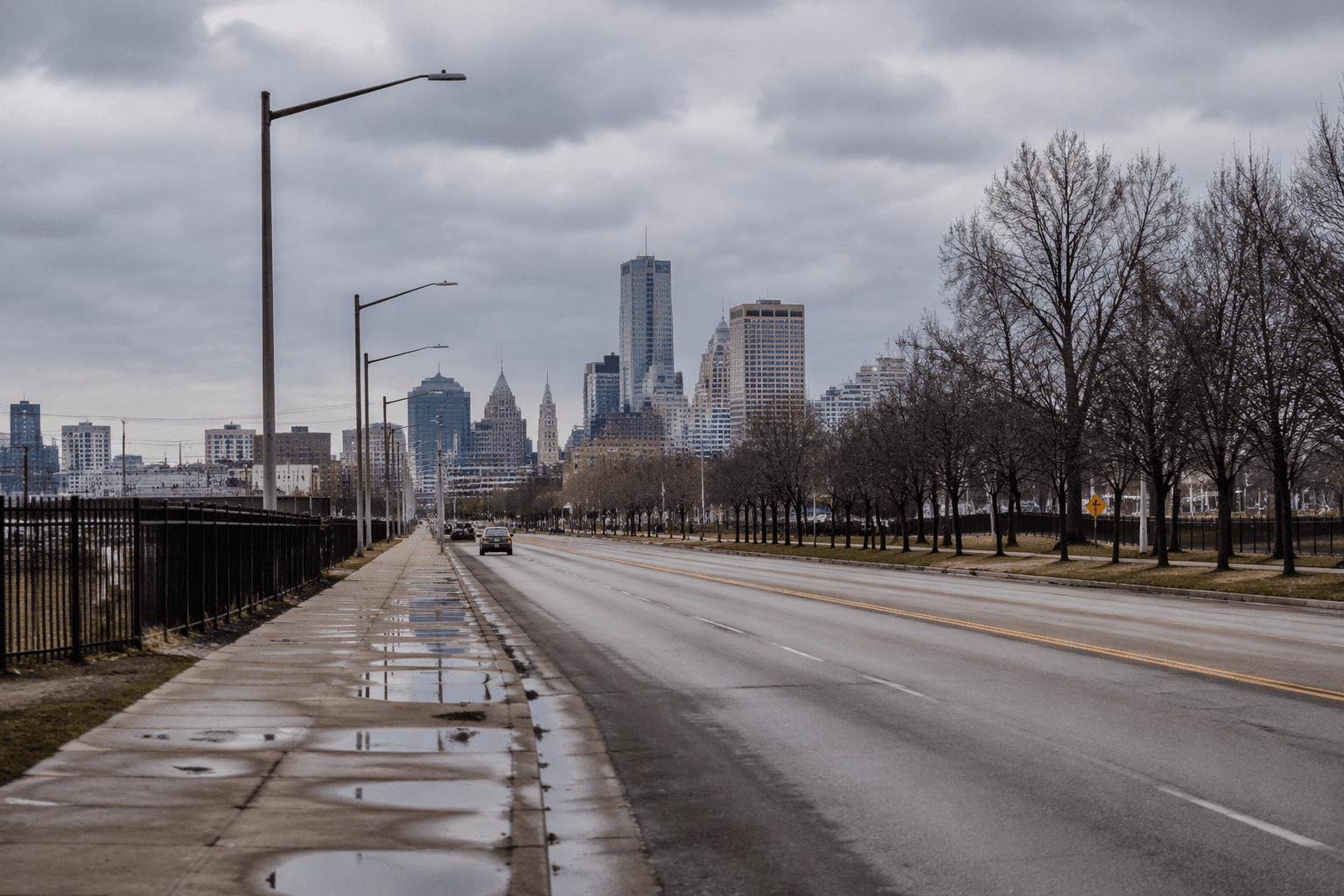
Baltimore has launched Design Baltimore: Gateways 2026, a citywide contest to reimagine three of the routes that shape a first impression of the city. The Baltimore Development Corporation, working with the City of Baltimore, is inviting artists, architects, designers, planners, engineers, students, community organizations and multidisciplinary teams to submit bold, innovative and implementable ideas for Russell Street, Conway Street and President Street.
The effort is being framed as a makeover for the city’s front doors, with the stated goal of creating corridors that reflect Baltimore’s history, culture, neighborhoods and creative spirit. That focus carries particular weight in South Baltimore and near the Middle Branch of the Patapsco, where routes like Russell Street connect communities including Cherry Hill, Lakeland, Mount Winans, Westport, Pigtown and Otterbein to some of the most visible approaches into downtown.
BDC president and CEO Otis Rolley put the city’s pitch in direct terms: “The way we welcome people shapes how they see our city.” The competition materials describe the program as a design challenge, but the project is also a test of how Baltimore wants to present itself to residents, workers and visitors entering on three heavily used corridors.
A public site tour was scheduled for Tuesday, Aug. 4, from 1 to 4 p.m. EDT, giving participants a closer look at the three gateway corridors and a chance to hear about the competition overview, prize pool, timeline, submission requirements, evaluation criteria and project sites. The session also included a live question-and-answer period with the BDC team, a sign that the city is trying to move the contest from concept to a structured public process.
The project’s resources section includes a full 42-page program presentation deck and a complete schedule of public milestones. That level of documentation suggests the city wants more than a set of renderings: it wants a competition with defined rules, deadlines and judging standards that can be tracked in public.

Baltimore’s push also builds on earlier corridor and gateway planning, including the South Baltimore Gateway Master Plan and other revitalization efforts, but this contest is more openly public-facing and tied to the three named entry corridors. The next question is whether the winning ideas can be translated into real streetscape improvements that people actually see when they come into the city.
This article was produced by Prism’s automated news system from verified source data, official records, and press releases, then run through automated quality and moderation checks before publishing. The system is built and supervised by the people who set the standards it runs under. Read our full AI policy.
Did this article answer your question?