Baltimore launches crackdown on smoke shops selling illegal tobacco, cannabis
Baltimore seized more than 73 pounds of suspected illegal cannabis and nearly 18,000 tobacco products, then pledged a summer sweep of smoke shops near schools and teen foot traffic.
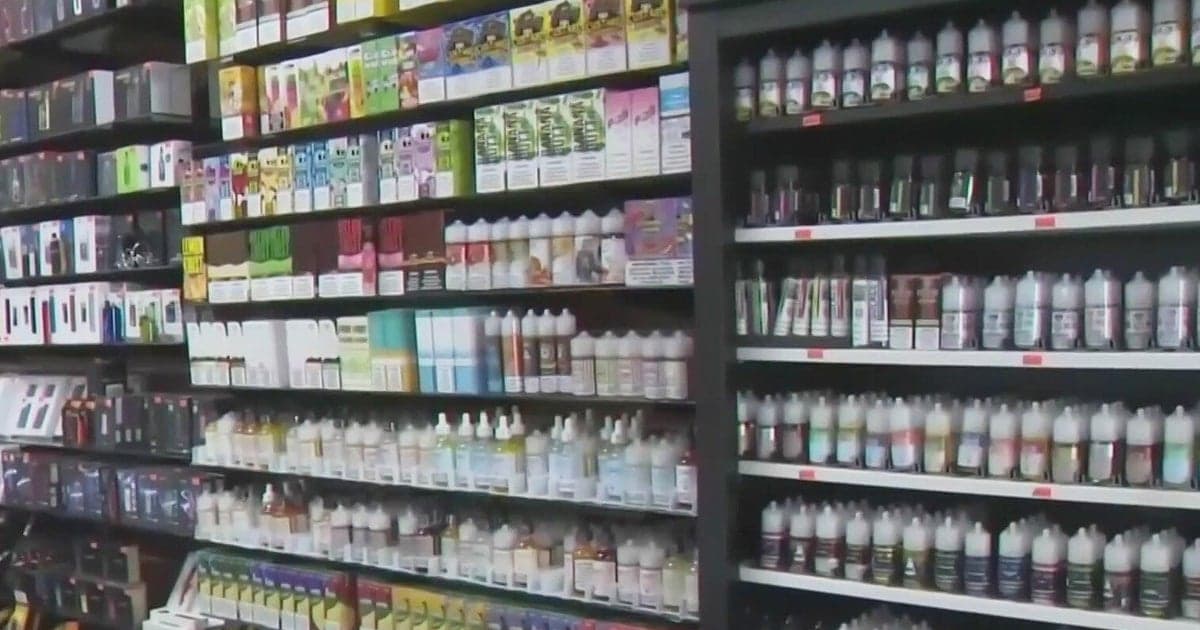
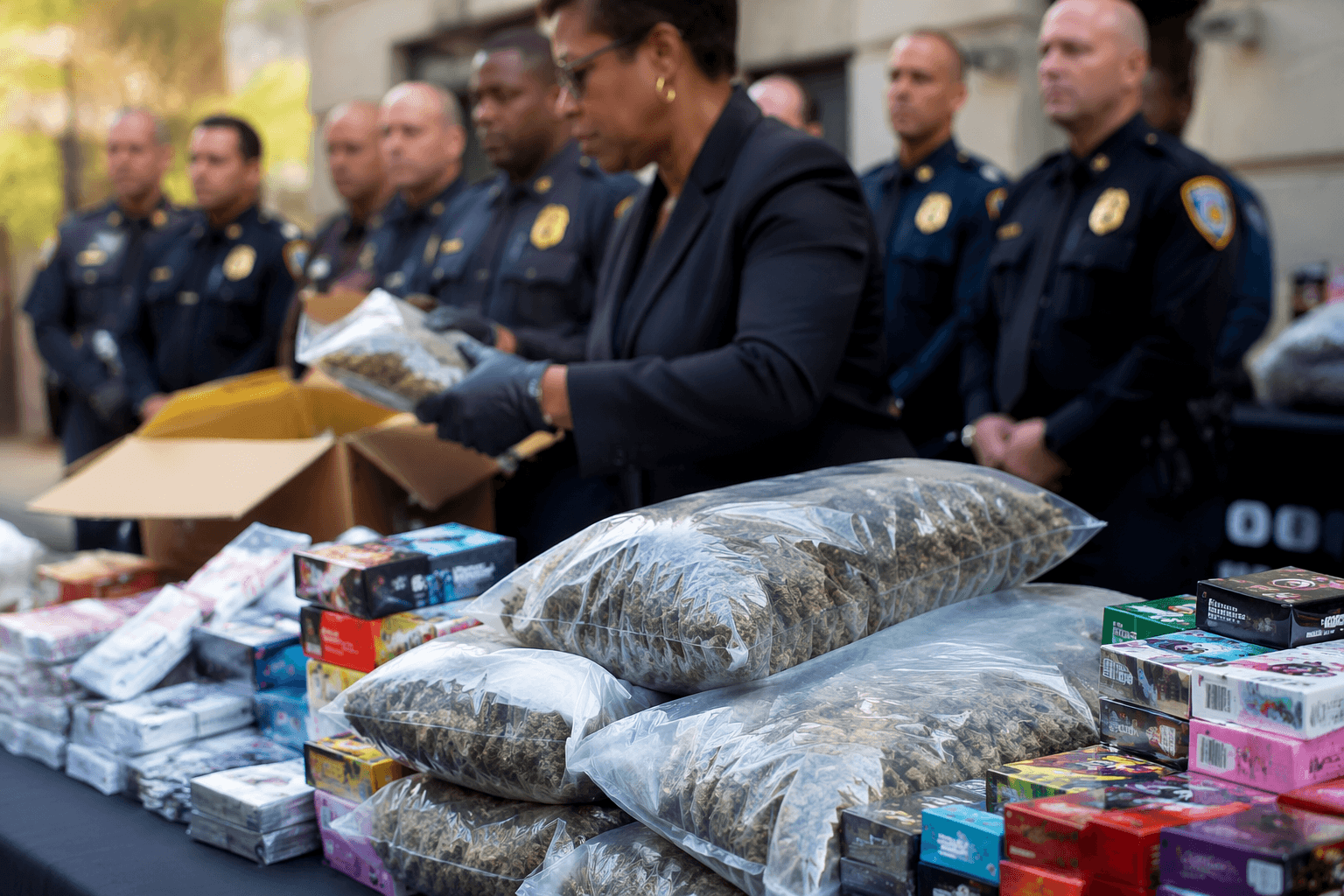
Baltimore officials said they seized more than 73 pounds of suspected illegal cannabis and nearly 18,000 tobacco products in a raid that sheriff Sam Cogen cast as the first move in a citywide summer crackdown on smoke shops.
The June 4 enforcement action centered on a business in the 4700 block of Gwynn Oak Avenue, where authorities said an undercover sheriff’s deputy made a controlled purchase before the raid. Reports said four people were arrested. Cogen said the operation would continue through the summer, with undercover deputies and cadets moving from shop to shop across Baltimore.
The sheriff framed the enforcement push as a response to complaints that some smoke shops are selling vapes, tobacco and marijuana to children. Officials have also raised concerns that products being sold in some stores may be unlicensed, unregistered or adulterated, a public-safety issue that stretches far beyond one storefront and into neighborhoods where teens walk past these businesses every day.
The action landed as city leaders were already tightening the rules around smoke shops. The Baltimore City Council had advanced a broader smoke-shop legislative package focused on youth protection and public safety. That package defined a smoke shop as a retail business that devotes at least 10% of its floor space to tobacco products, vaping devices or cannabis-related paraphernalia. A separate proposed padlock bill would let the city temporarily shut down repeat-offender shops after two documented violations.
The scale of the problem has become a major part of the debate. A recent Baltimore City Health Department report counted more than 1,200 licensed tobacco retailers in the city, or about 15 per square mile. Community advocates and council members have said the stores are concentrated in low-income neighborhoods, including areas of East Baltimore and West Baltimore, where residents have complained about youth exposure and lax enforcement.
Cogen tried to use the raid as a warning. “This is what we’re going to be doing all summer long, so be afraid, and don’t do it,” he said. The test for Baltimore will be whether the pressure produces lasting compliance inside the city’s densest retail corridors, or only a brief surge of arrests before the shops reopen and the cycle starts again.
This article was produced by Prism’s automated news system from verified source data, official records, and press releases, then run through automated quality and moderation checks before publishing. The system is built and supervised by the people who set the standards it runs under. Read our full AI policy.
Did this article answer your question?