Baltimore launches dashboard tracking opioid settlement spending, community grants
Baltimoreans can now trace opioid settlement dollars from awards to programs, with $13.5 million spent and $10 million tied to 988 promotion.
Baltimore residents can now follow opioid settlement dollars from the city’s headline totals down to individual grants, after officials launched a new dashboard showing how about $13.5 million has been spent and where the money is going. The clearest early example is $10 million committed to promote the 988 mental health crisis line, a move city leaders are linking directly to overdose response.
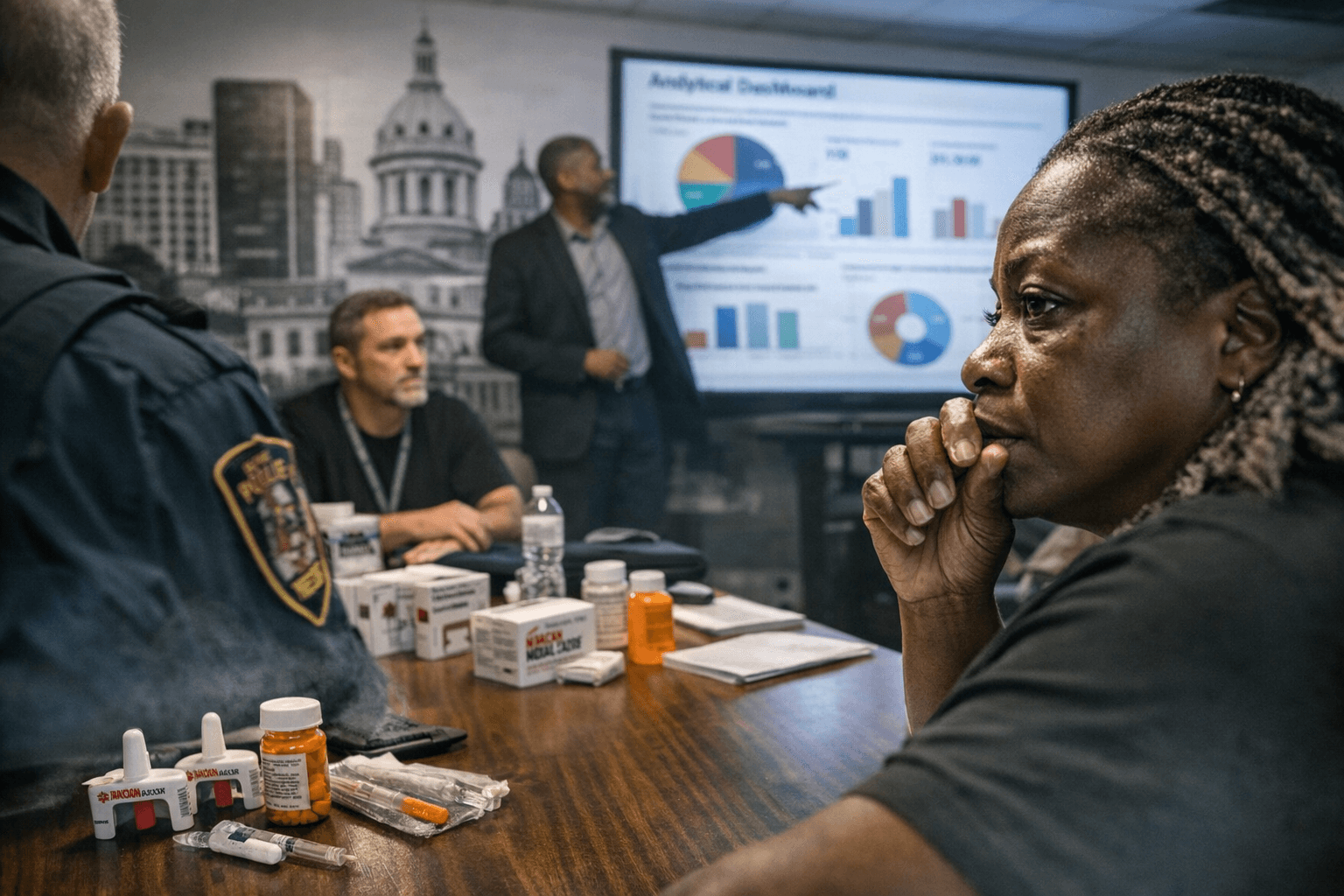
The new Opioid Restitution Fund Dashboard was released alongside Baltimore’s first Opioid Restitution Fund Fiscal Year 2025 Annual Report, giving the public a look at spending, program highlights, oversight mechanisms and next steps. The report covers July 1, 2024 through June 30, 2025, and city officials said the dashboard will be updated quarterly so residents can track funded programs, grant awards and performance information as the money moves.
Mayor Brandon M. Scott created the fund by executive order on Aug. 29, 2024, and Baltimore finalized its Transparency and Accountability Plan on July 30, 2025. That plan, shaped with input from the Restitution Advisory Board, is meant to answer a basic question that has lingered since the settlements began rolling in: where exactly is the money going, and who is getting it?
The city says most of the money already spent has gone directly to community groups working on treatment and prevention rather than sitting in a general fund. Baltimore officials said the dashboard is designed to show whether dollars are going to a community-based organization or a city agency, making it easier to compare priorities and judge whether the city’s response matches the scale of the overdose crisis.
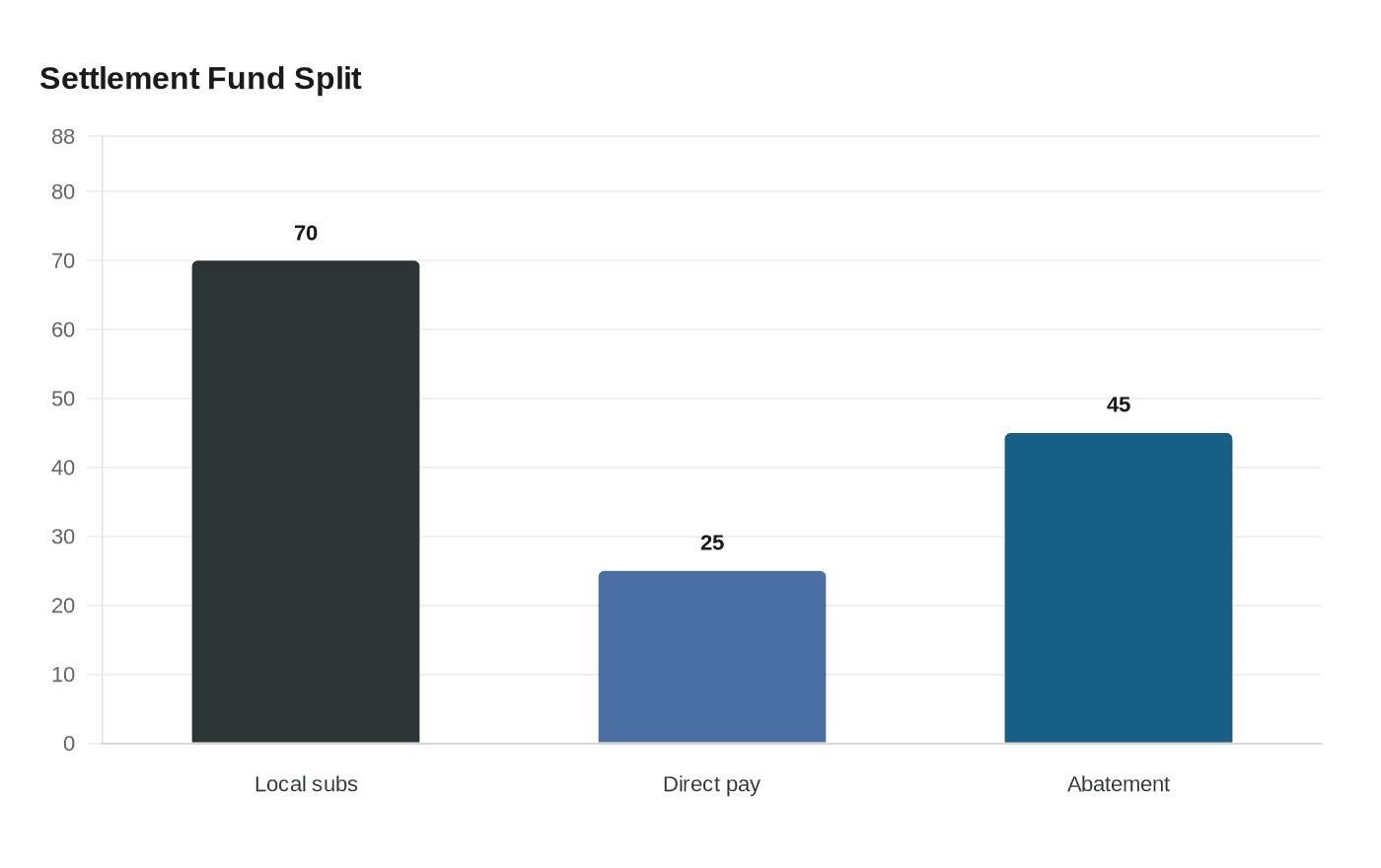
Baltimore’s broader recovery from opioid litigation is much larger than the sum shown on the dashboard. Reporting in September 2025 said the city had secured more than half a billion dollars in settlements from multiple opioid companies. Under Maryland’s statewide framework, Baltimore City is one of the participating subdivisions eligible for local settlement dollars, with 70% of qualifying funds going to local subdivisions, split between 25% direct payments and 45% targeted abatement grants.
Sara Whaley, the executive director of Baltimore’s overdose response team, co-chairs the Restitution Advisory Board and is one of the city officials overseeing how the money is used. City leaders have tied that work to a longer-term goal of cutting fatal overdoses by 50% by 2040, a benchmark that underscores the gap between spending transparency and proof of results. Officials said overdose rates are already declining, but the real test of the dashboard will be whether Baltimore can show that the settlements are producing measurable change, not just cleaner bookkeeping.
This article was produced by Prism’s automated news system from verified source data, official records, and press releases, then run through automated quality and moderation checks before publishing. The system is built and supervised by the people who set the standards it runs under. Read our full AI policy.
Did this article answer your question?