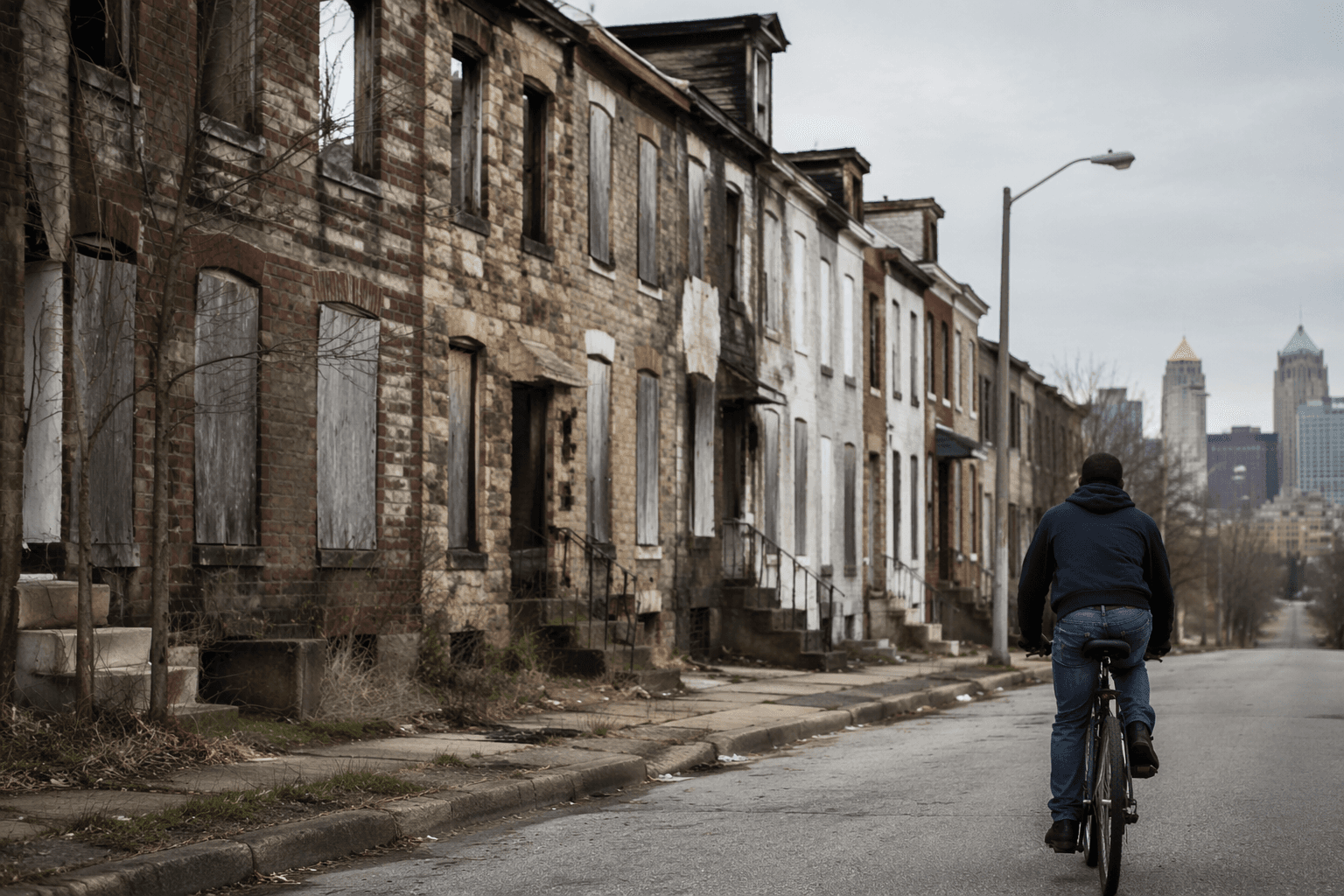
Bates blasts Maryland juvenile justice system amid repeat-offender concerns
Bates said Baltimore keeps seeing “the same kids over and over” as police searched for two juveniles wanted in a Washington Boulevard robbery.
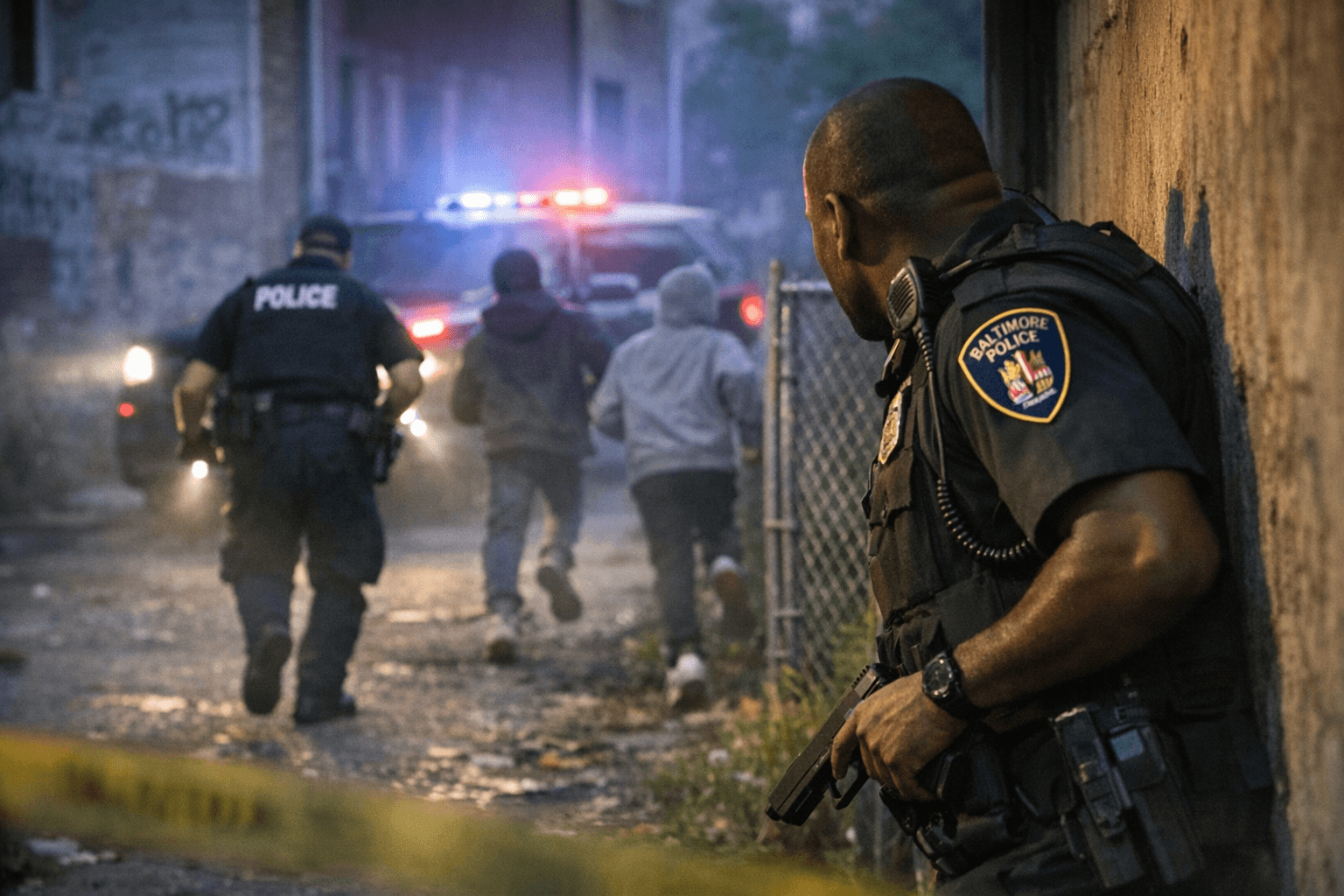
Baltimore’s juvenile justice fight sharpened around a Washington Boulevard robbery case as State’s Attorney Ivan Bates argued the state is still failing to stop repeat offenders from cycling back into crime.
Speaking on WBAL Radio on Monday, April 20, Bates said juvenile crime had not improved during Maryland Department of Juvenile Services Secretary Betsy Fox Tolentino’s tenure. He called the Youth Charging Reform Act “a very rushed bill” that was “not thought out,” though he said it “could have been a lot worse.” Bates said police keep seeing “the same kids over and over and over again,” including young people already under DJS supervision who are accused of new crimes and, in some cases, cutting off ankle monitors.
The remarks landed as Baltimore police sought help identifying two suspected juveniles wanted in a robbery on Washington Boulevard on April 1. The timing underscored the point Bates has been pressing for months: the debate is no longer just about whether youth crime is up or down, but about where the system is breaking, whether at charging, detention, supervision, or the state’s broader policy choices.
Tolentino, who became acting secretary of DJS on June 11, 2025 after Gov. Wes Moore named her following Vincent Schiraldi’s departure, has defended the agency’s record by saying there is room to improve and that most youths on electronic monitoring or in community detention do not reoffend, are not re-arrested, and appear for court. DJS has said 90 percent of young people in electronic monitoring and community detention do not re-offend, do not get re-arrested, and show up for court.
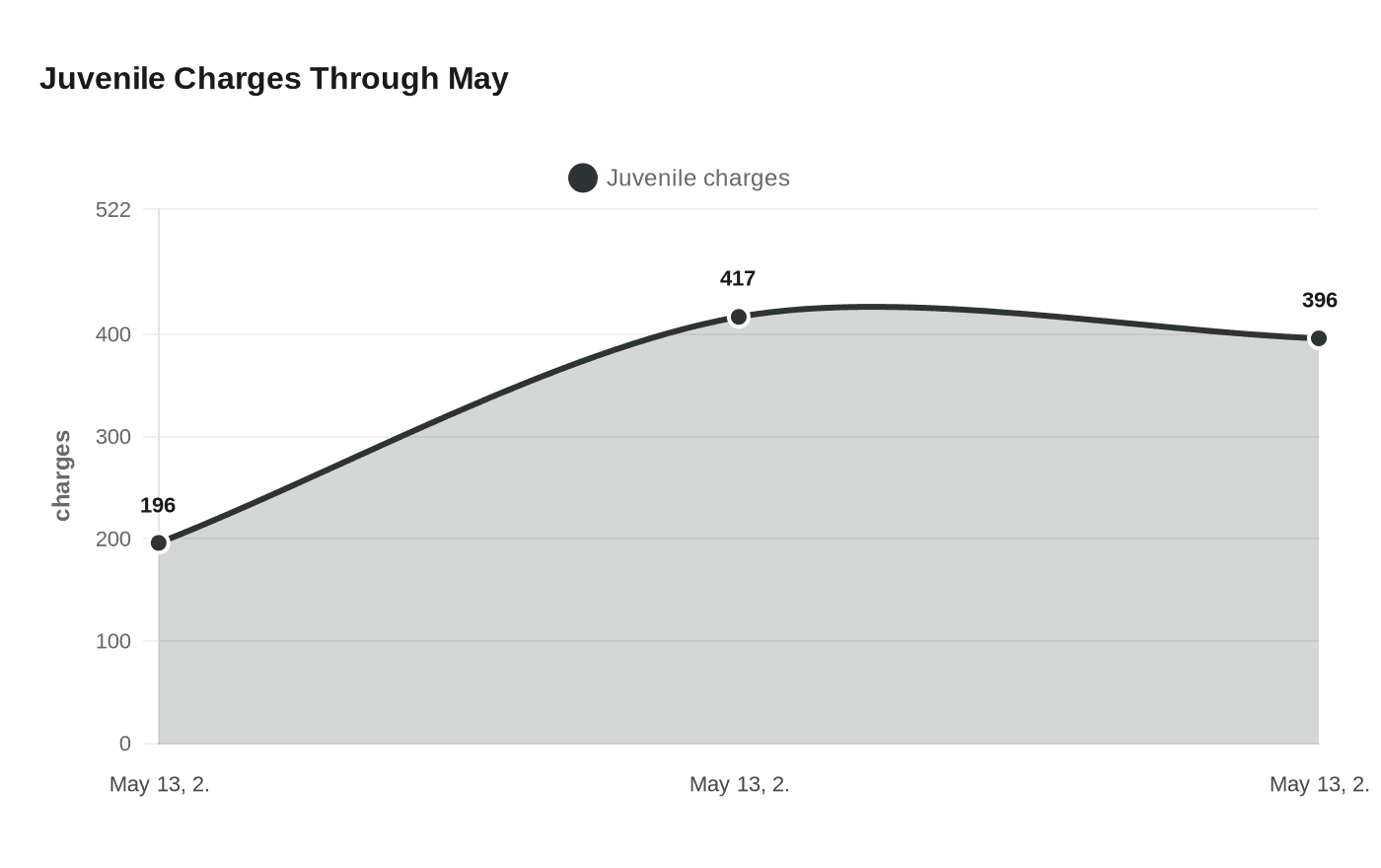
Bates has been building his case with numbers. In December 2024, he said his office’s juvenile caseload had more than tripled, from 303 cases two years earlier to a projected 1,100. At a May 20, 2025 town hall, he said 84 percent of juveniles in more serious special cases were released back to the community in 2024. Baltimore recorded 417 juvenile charges through May 13, 2024, compared with 196 through May 13, 2023, and 396 through May 13, 2025. At that same event, DJS recommended detention in 31 of 130 special cases, and the courts detained 21.
The pressure on Annapolis has not eased. In February 2026, Sen. William C. Smith Jr. reintroduced a bill to raise from 14 to 16 the age at which some youth would be tried as adults, drawing opposition from police and prosecutors. Maryland also expanded juvenile court coverage in 2024 to youth as young as 10 arrested for serious offenses, while DJS later added 50 residential positions, put $33 million into community-based programming, and launched a dashboard tracking intake, detention, supervision, and recidivism.
That dashboard measures recidivism over one year, using new arrest, new juvenile adjudication or adult conviction, and new juvenile commitment or adult incarceration. A May 2025 legislative audit, however, found failures in background checks, cybersecurity, overtime, and oversight, deepening questions about whether the state can reliably judge which policies are working. In Baltimore, where robberies, carjackings and assaults remain central public-safety concerns, the answer will shape whether the next fix is stricter detention, better supervision, or a different model altogether.
This article was produced by Prism’s automated news system from verified source data, official records, and press releases, then run through automated quality and moderation checks before publishing. The system is built and supervised by the people who set the standards it runs under. Read our full AI policy.
Did this article answer your question?