Baltimore to relocate traffic cameras as citation revenue declines
Baltimore plans to shift some traffic cameras to riskier roads as its citation haul cools. The move comes as $25 million in moving-violation revenue hangs over a $4.63 billion budget.
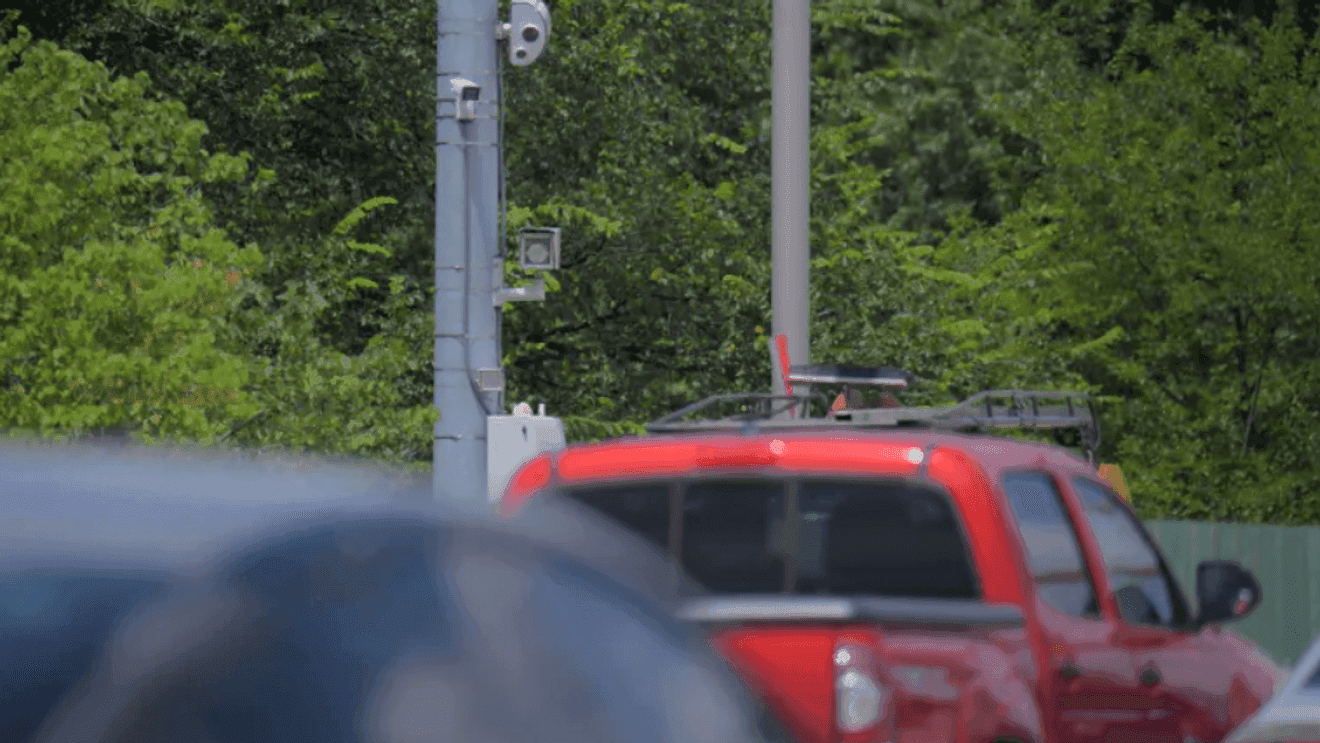
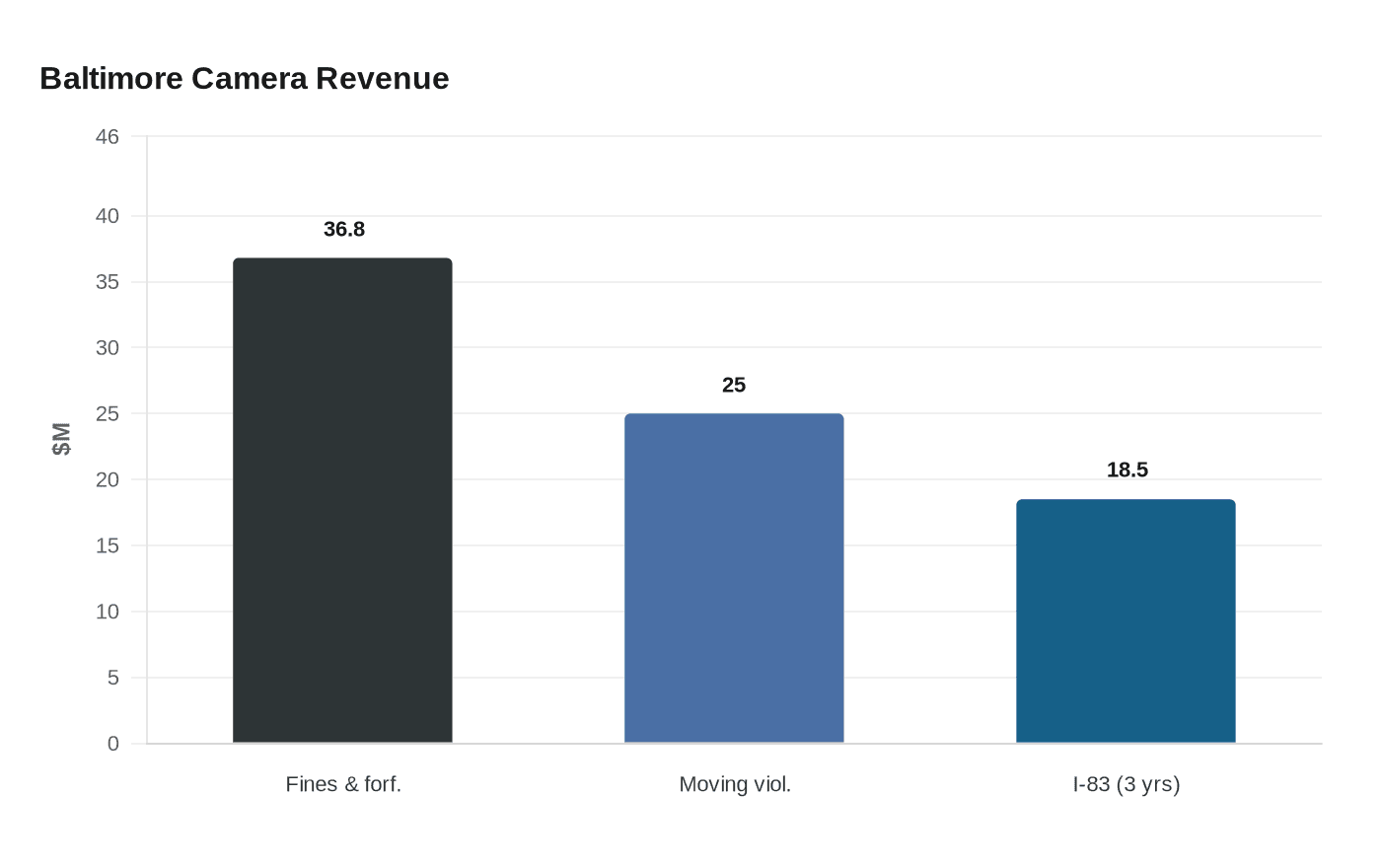
Baltimore plans to shift some traffic cameras to new high-risk roads as officials try to slow a slide in citation revenue without weakening enforcement. At a City Council Budget and Appropriations Committee hearing, assistant budget director Pedro Aponte said the city expected fines and forfeits to account for 1.3 percent of the general fund, or $36.8 million, in the coming fiscal year, with $25 million of that tied to moving violations such as speed and red-light camera tickets.
The change goes to the heart of how Baltimore now views automated enforcement. The Baltimore City Department of Transportation says the Automated Traffic Violation Enforcement System exists to enforce traffic regulations, correct driver behavior, reduce crashes, injuries and fatalities, and improve safety in the city. Officials said the goal is not to pull cameras back, but to move them where speeding and crash risk remain highest, even as the easiest ticket-producing locations begin to level off.
Baltimore has already used that approach on the Jones Falls Expressway. Two speed cameras were moved on March 24, 2025, to northbound Smith Avenue and southbound W. North Avenue after a 15-day grace period, and the city later announced an expansion of automated speed enforcement along I-83 on July 17, 2025. For drivers who use that corridor every day, the message was clear: the city was not abandoning speed enforcement, it was redeploying it.
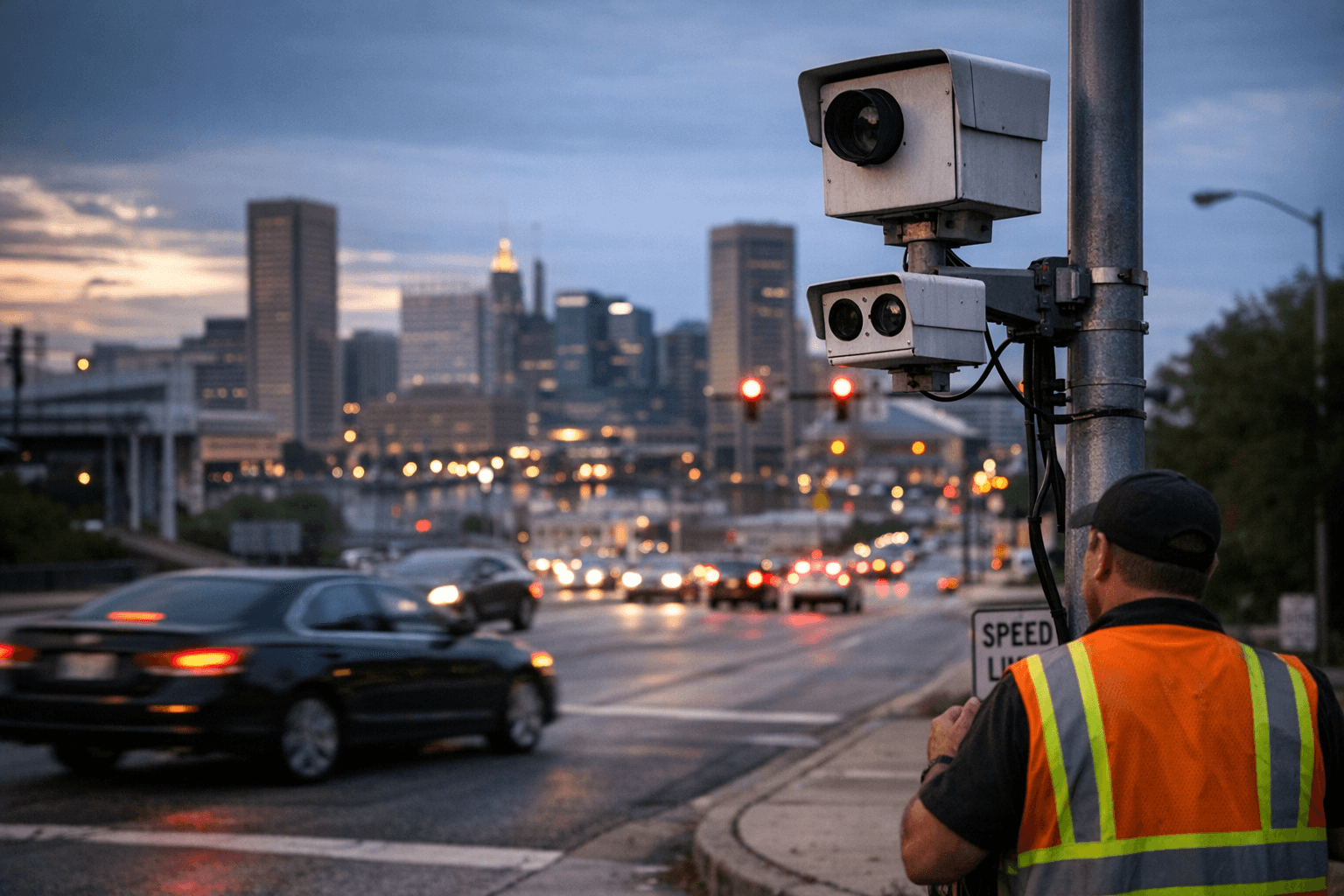
That redeployment also carries a budgetary edge. Baltimore’s preliminary budget documents said the $36.8 million projection included red-light and speed cameras but excluded the I-83 cameras, which Aponte said were outside the forecast. The city has said its I-83 cameras generated more than $18.5 million in fines over three years, but roughly 80 percent of that money went to the vendor Verra Mobility rather than to Baltimore itself. That split helps explain why I-83 is treated differently from the rest of the camera network.
The broader fiscal backdrop is tight. Mayor Brandon M. Scott proposed a roughly $4.6 billion budget to close an $85 million deficit, and the city later adopted a $4.63 billion FY2026 budget. Baltimore’s budget publications page says the Fiscal 2026 Preliminary Budget was released in April 2025, and the camera plan now fits into a larger system of enforcement and revenue management that stretches across the city’s moving citations, parking citations and open-data tracking.
For Baltimore, the camera network is no longer just a flashpoint for speeding complaints. It is part safety tool, part budget line, and part warning that the city’s most visible traffic enforcement will keep moving as crash patterns and citation totals change.
This article was produced by Prism’s automated news system from verified source data, official records, and press releases, then run through automated quality and moderation checks before publishing. The system is built and supervised by the people who set the standards it runs under. Read our full AI policy.
Did this article answer your question?